
Bears in Romania
Georgia Barker
Everyone’s journey into wildlife photography is different, but it’s driven by an identical desire. The target for photographers is to get as close as possible to the animals that inspire them.
“My own path was actually a bit random,” says wildlife photographer, Georgia Barker. “I was born and raised in Essex but spent most of my 20s travelling and living abroad. I always loved wildlife, but no more than the average person, and while the fascination grew in those years, it never really flourished until I got my first proper camera and realised how many ways there were to get closer to nature.”
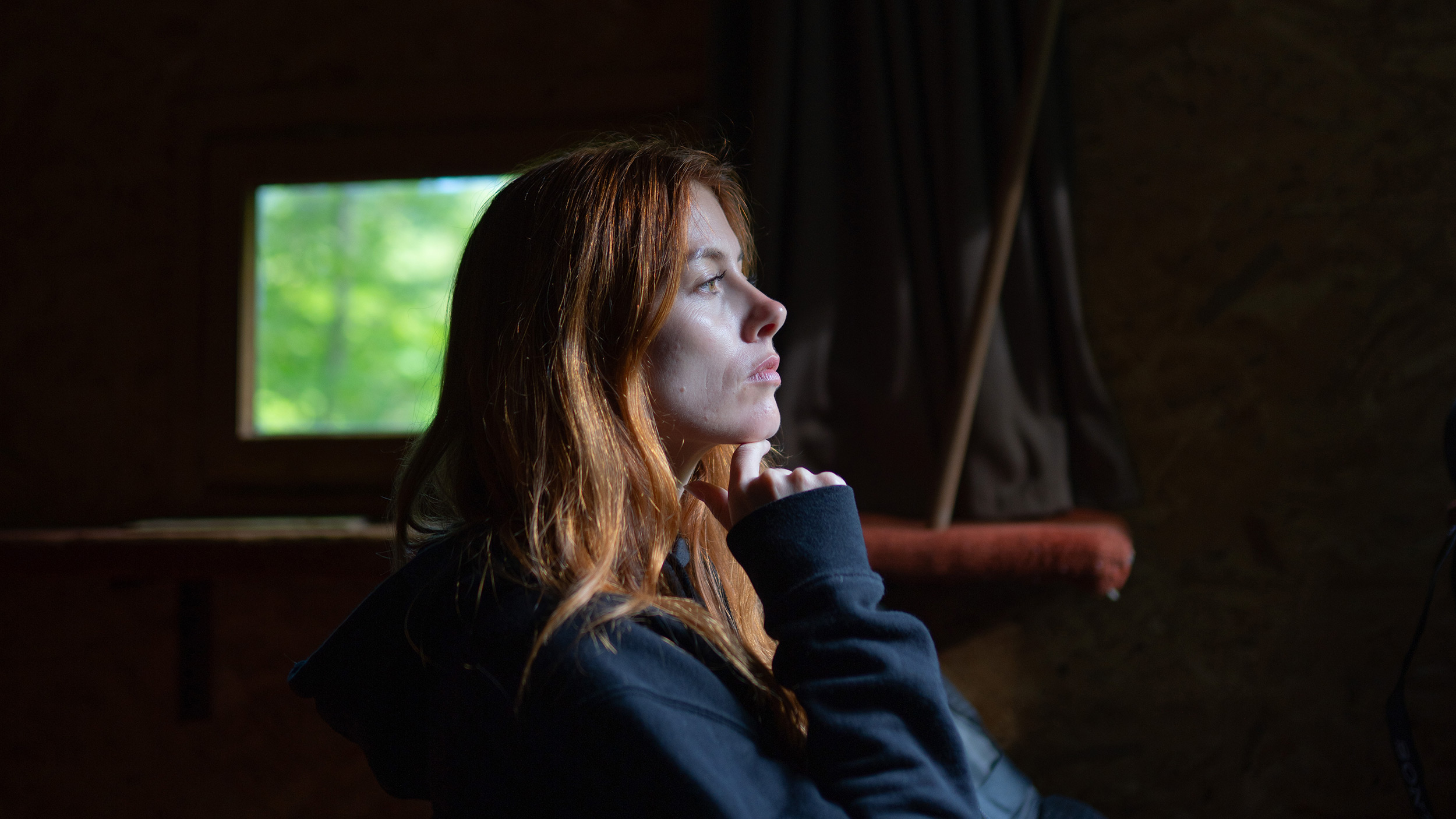 © Georgia Barker
Those opportunities began near home, she remembers. “I’d started donating to the RSPB, years before, but didn’t think much about it until my partner and I were trying to find something to do one day. Then I realised that a reserve called RSPB Fowlmere was just down the road, so we went along. It was amazing. I sat in a hide all day and for the first time in my life really noticed birds. I wanted to record those moments and the feelings that came with them, and so it all grew from there.”
We all see amazing footage of animals on TV or pictures online, it’s true, but as Georgia explains, the people who created those images didn’t do so by accident. “Professional wildlife photographers work hard at getting close,” she says, “and going to a reserve is a step towards that. It puts you in a place where you’re more likely to see something spectacular and working from a hide can make it even better. Of course, there’s no sure thing,” she admits, “but these are places specifically set up by experts to give you better opportunities.”
Of course, there are some animals that you can’t find close to home, so for that you need a tour that includes hides in further flung places. “Going on a guided wildlife tour is just the next step up from a hide in a local reserve,” she explains, “and that’s what I did recently to photograph Eurasian brown bears in Romania. The tour was a collaboration with a company called Untravelled Paths and they made use of a lot of local knowledge and experience. It was a wonderful experience, and I couldn’t have planned it better myself.”
“It wasn’t my first time seeing bears, because I lived in Canada for a while,” she continues, “but it was my first experience with them as a wildlife photographer. It was awe-inspiring and it felt very special to see a creature in its natural habitat like that.”
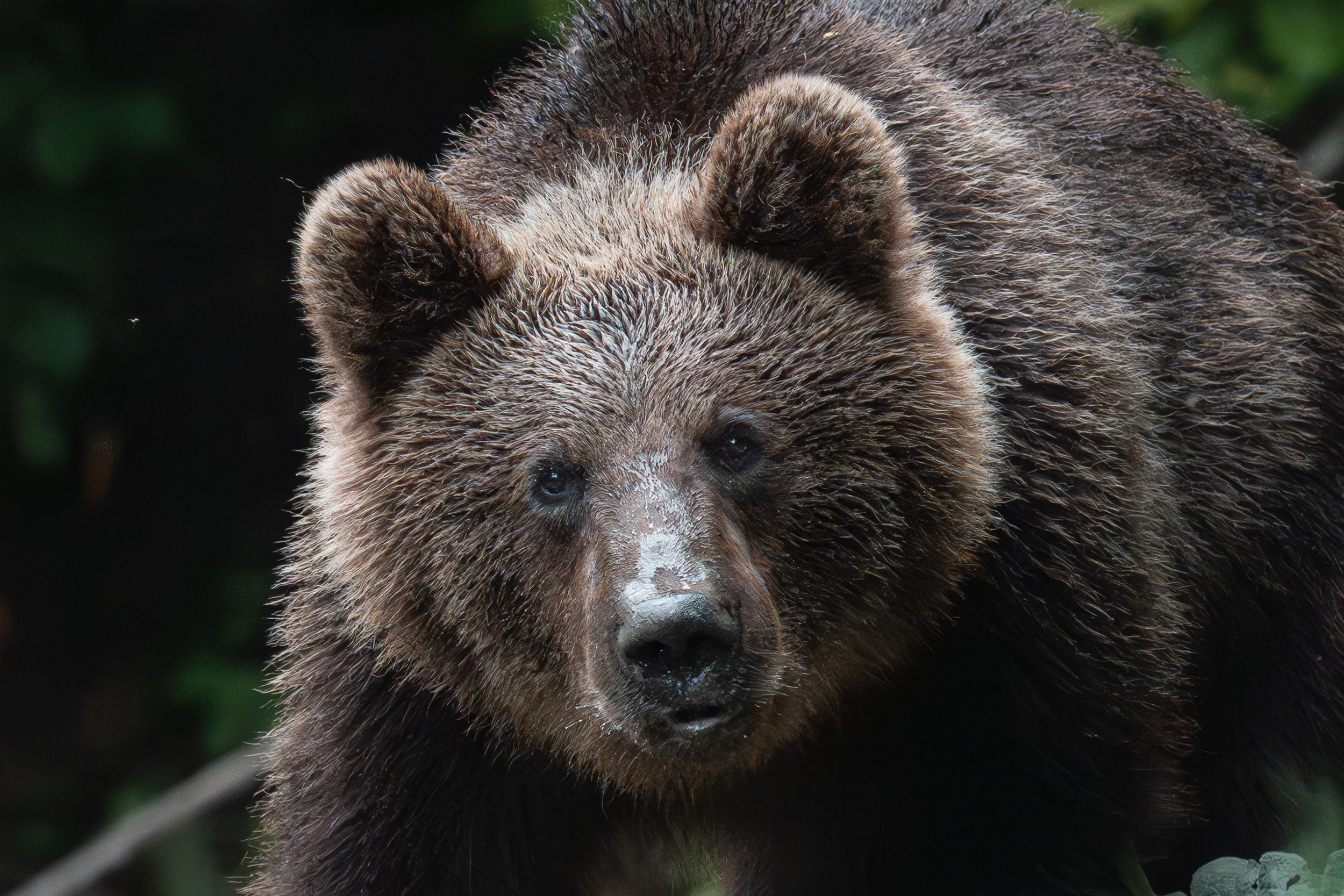 © Georgia Barker | Sony α1 II + FE 400-800mm f/6.3-8 G OSS | 1/800s @ f/8.0, ISO 1600
The final piece of the getting-close jigsaw is using the right lens, Georgia says, and to photograph the bears, she used a Sony FE 400-800mm f/6.3-8 G OSS lens. “The 400-800mm is a brilliant lens that gives you incredible reach,” she says. “It brings distant subjects right up close and that’s important for two reasons. First you want to see all the details in the subject, because that’s what can make you appreciate how beautiful it is. But more importantly it lets you keep your distance, so you’re not influencing how they behave or putting them in danger.”
“When you realise how an 800mm focal length can elevate your wildlife photography, this lens is incredible value.” she continues, “and it’s a lens that packs a punch in sharpness, too. The detail is so precise I was able to count the hairs in the bears’ fur in my pictures, all from a hide that was tens of metres away.”
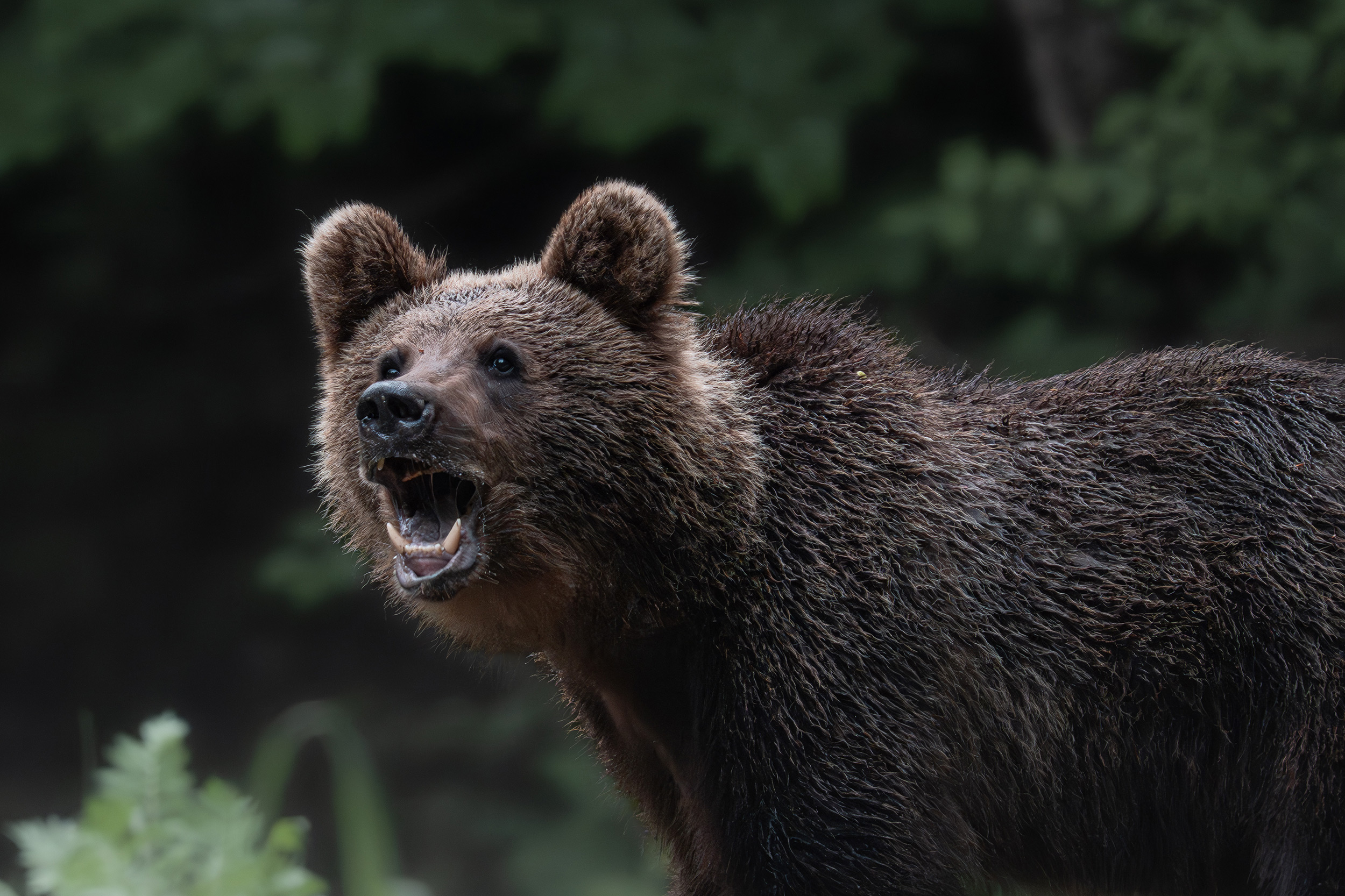 © Georgia Barker | Sony α1 II + FE 400-800mm f/6.3-8 G OSS | 1/800s @ f/8.0, ISO 1600
Backing up the lens on this occasion, was Sony’s flagship Alpha 1 II body, which let Georgia work in the gloom of the bear’s forest with ease. “The resolution and the quality of image from the Alpha 1 II is extraordinary, so to be able to use it on such an amazing subject was perfect,” she says. “It was pretty dark when they appeared, and I wanted a fast shutter speed to keep the details crisp, so that meant pushing the ISOs to settings like 1600, but the camera handled that well.”
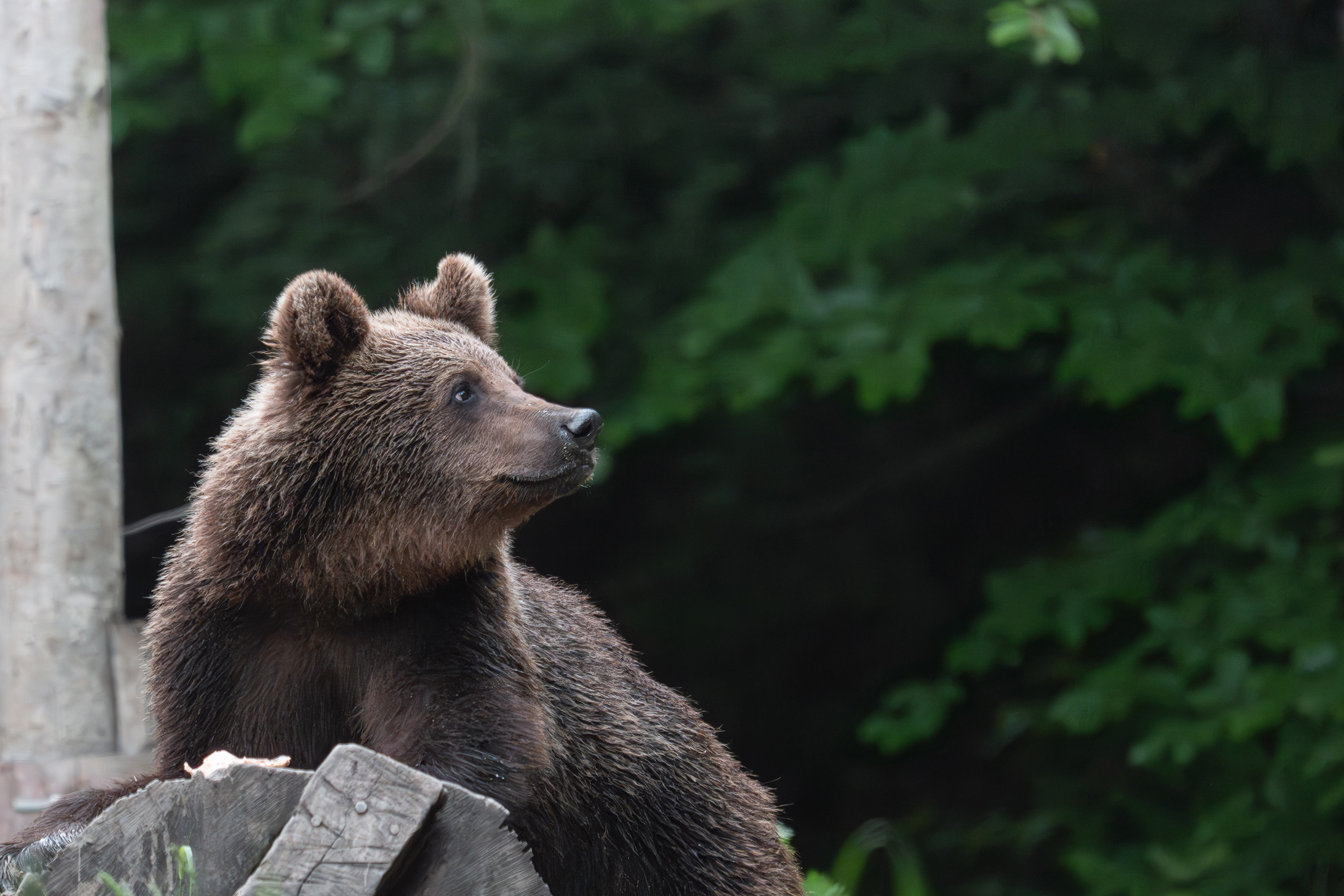 © Georgia Barker | Sony α1 II + FE 400-800mm f/6.3-8 G OSS | 1/800s @ f/8.0, ISO 1600
Whether close to home or further afield, for Georgia, her wildlife experiences have also brought benefits beyond her fantastic images. “We live in times that are busy and occupied,” she explains, “but observing wildlife is a chance to find calm and quiet. It lets us stop and appreciate the world, and there aren’t too many situations where you can do that these days.”
“And the word ‘experience’ is really important in that,” she concludes, “because I think it’s impossible to realise the benefits of being closer to wildlife – whether it’s to yourself or your photography – without physically putting yourself in the right position to do it. The closer you get, the more emotion you feel and that’s what really matters.”


