
High Achievers
Maciej Pesko
Throughout history, artists have been fascinated by the Alps. Europe’s most storied mountain range arches some 1200km from Nice at its western tip to Trieste and Vienna in the east, violently carving into the skies above Monaco, France, Switzerland, Italy, Liechtenstein, Germany, Austria and Slovenia.
Mountain landscape specialist Maciej Pesko shares that passion. “The silence of the Alps soothes the soul, but every glance at the peaks also makes your pulse quicken,” he says. “These are places that inspire humility and awe – you feel like just a guest in the presence of something greater.”
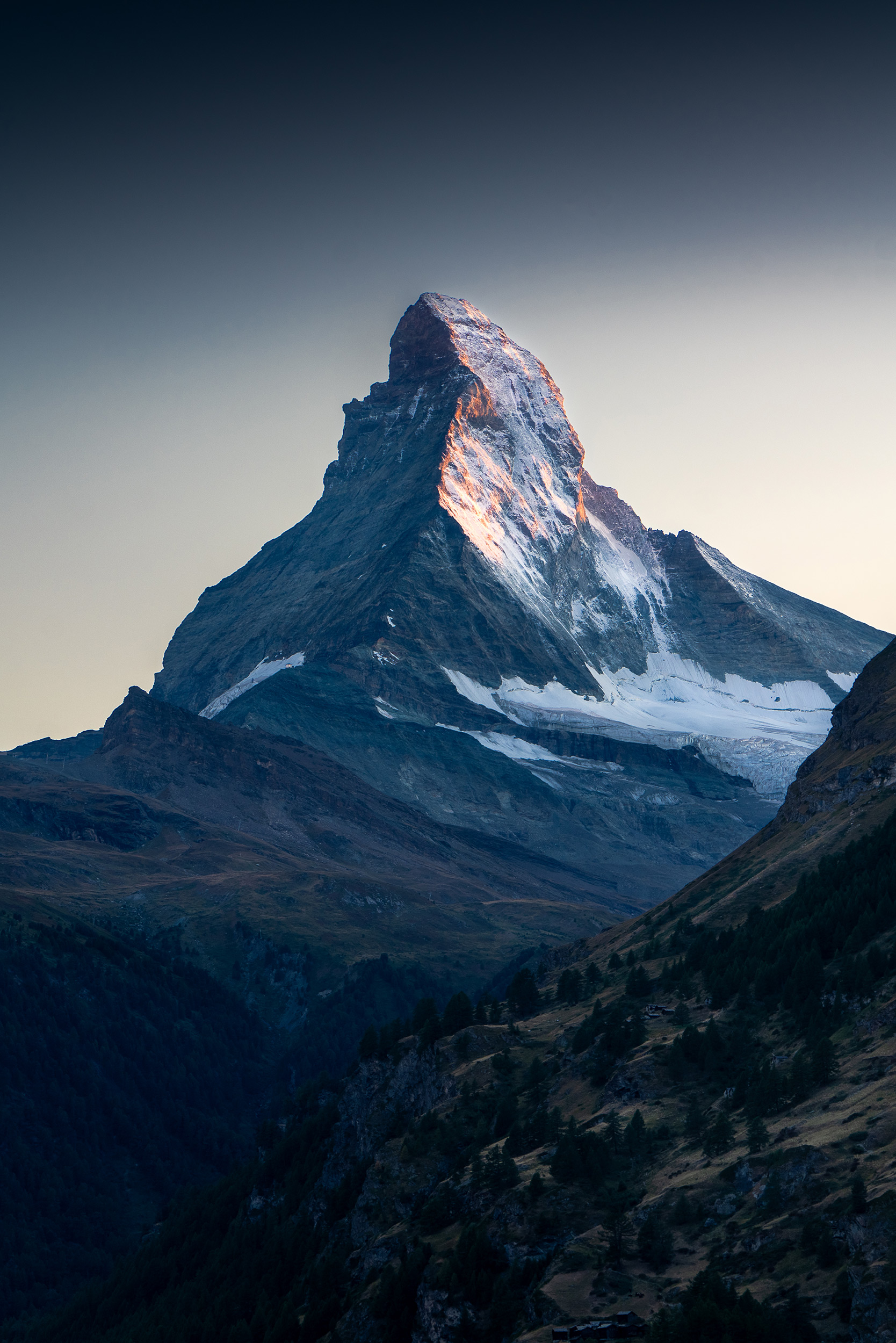 © Maciej Pesko | Sony α6700 + E 18-105mm f/4 G OSS | 1/8s @ f/9.0, ISO 100
A veteran of many locations in the range, including “the sharp, vertical limestone Dolomites, the wilderness and primal ruggedness of the Julian Alps, and the harmony between untamed nature and human presence in the Austrian Alps,” it was only more recently, in the Swiss and French Alps, that he says he realised the true majesty of these landscapes. “In those areas,” he beams, “there are sharp granite peaks, lush green valleys, glaciers descending straight into alpine lakes… they astonish with their diversity.”
So, how does he capture the drama and energy with his camera? “The first thing is to realise that mountains are unpredictable,” Maciej explains. “These are places where the light can change in an instant and the weather can write an entirely new script. They are just as demanding photographically, as they are physically.” The answer, he says, is “patience and openness. The mountains will guide you – you just need to wait for the light that reveals their character.”
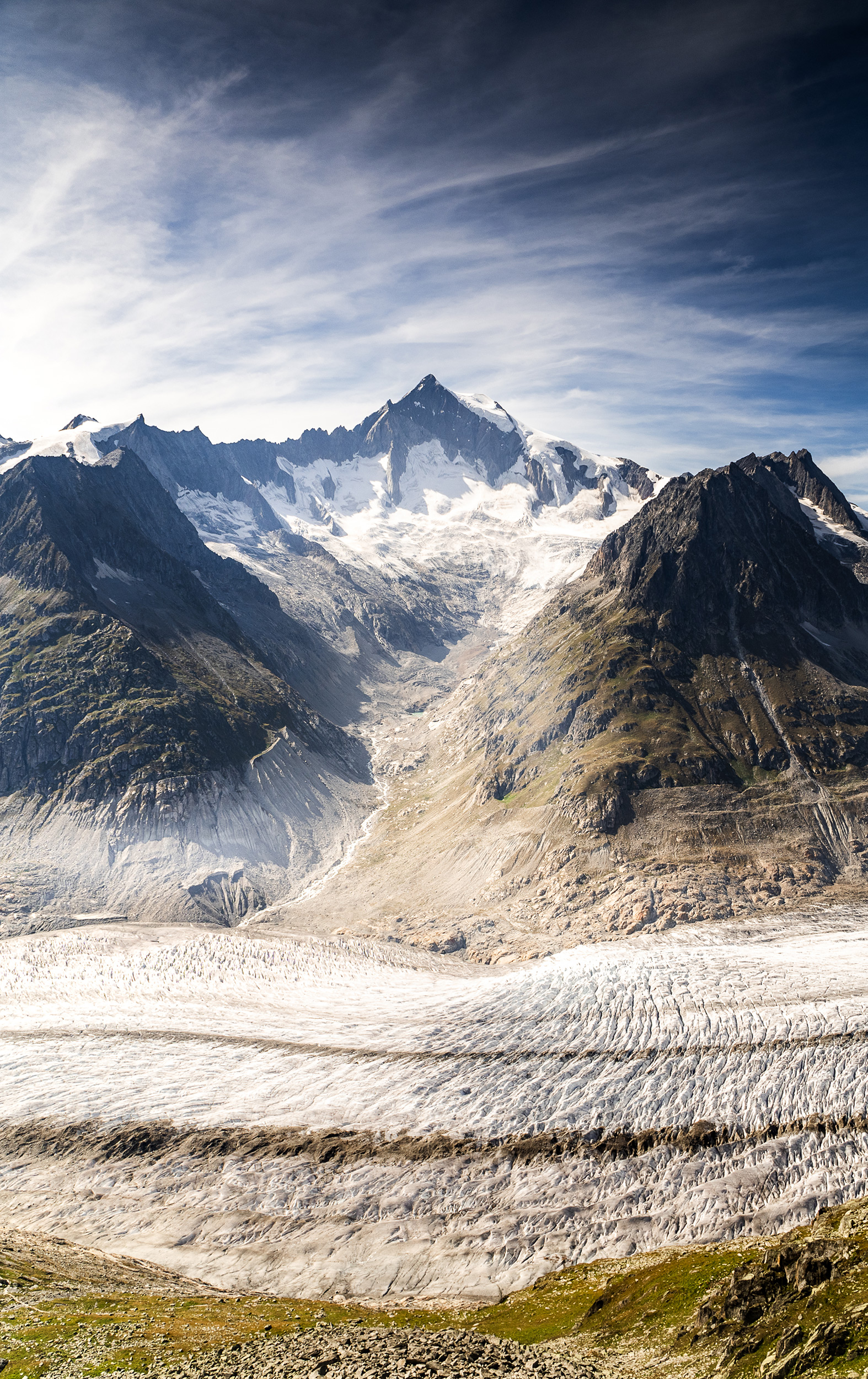 © Maciej Pesko | Sony α6700 + E 18-105mm f/4 G OSS | 1/500s @ f/8.0, ISO 100
“From a technical perspective, it helps to think in layers,” he continues, “with foreground, mid-ground and background. This creates depth, as does leading the eye deeper into the frame, using trails, ridgelines, or streams. Timing is also important because mountains often show their true character at sunrise and sunset, when the light picks out their texture, contrast is softer and clouds or mist simplify their shape or emphasise their height.”
Shooting on a Sony Alpha 6700, three of his recent favourites highlight different techniques and lens choices. The first, “an image of Mont Blanc’s summit rising above blooms of colourful heather, is full of contrasts,” he reports. “Here I used the wideness of the Sony E 11mm f/1.8 lens to add depth and draw the viewer into the scene, as well as the Alpha 6700’s Focus Bracket mode which let me create an image that’s perfectly sharp from front to back.”
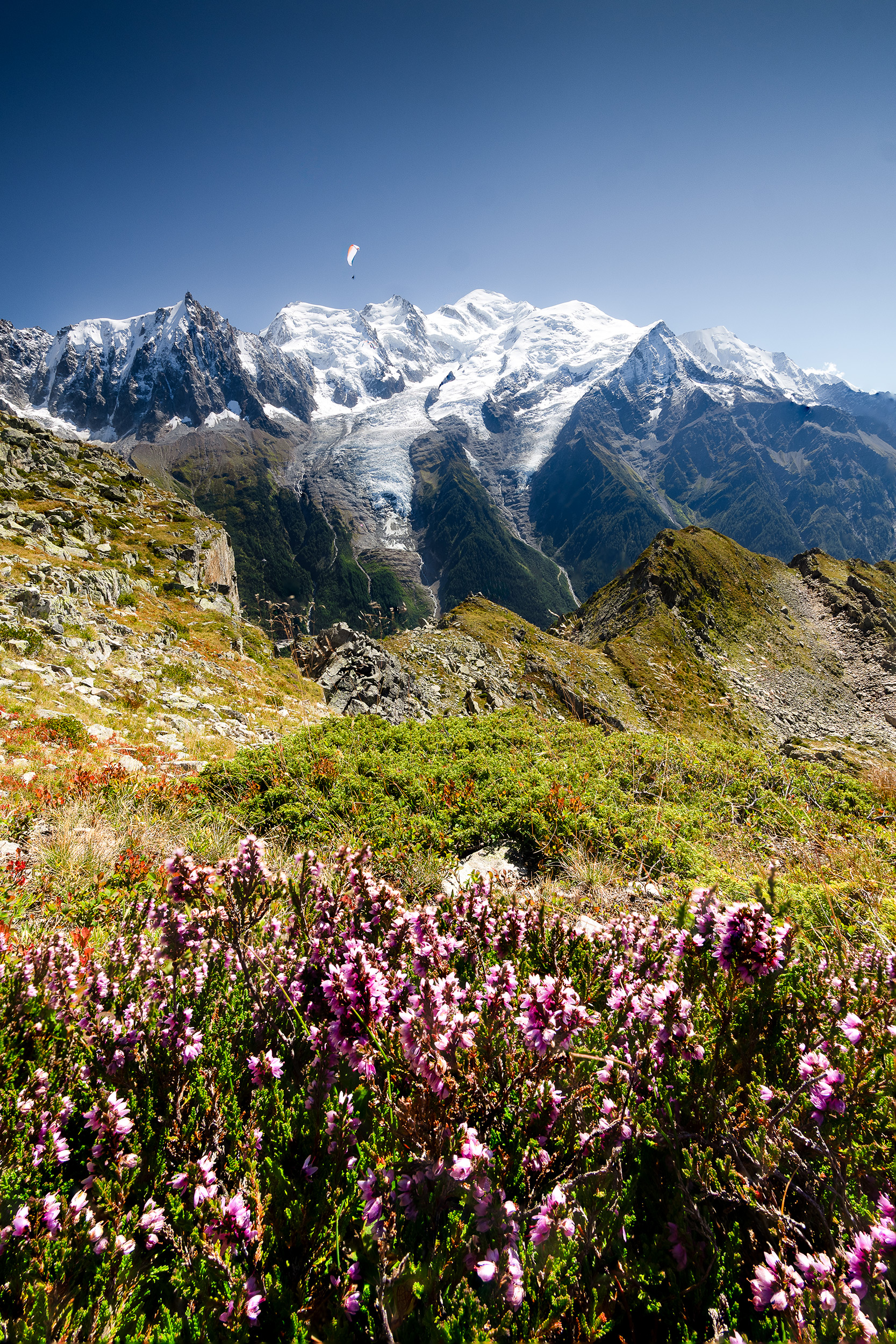 © Maciej Pesko | Sony α6700 + E 11mm f/1.8 | 1/125s @ f/9.0, ISO 100
The second features the Matterhorn at dusk. “Here, the light was the key,” Maciej explains. “Just a few minutes after sunset, the last rays were painted the summit red. My exposure had to be just right to capture the subtle glow without losing details in the darkening valley below, so I used the camera’s Auto Exposure Bracketing, making sure none of the tonality was lost.”
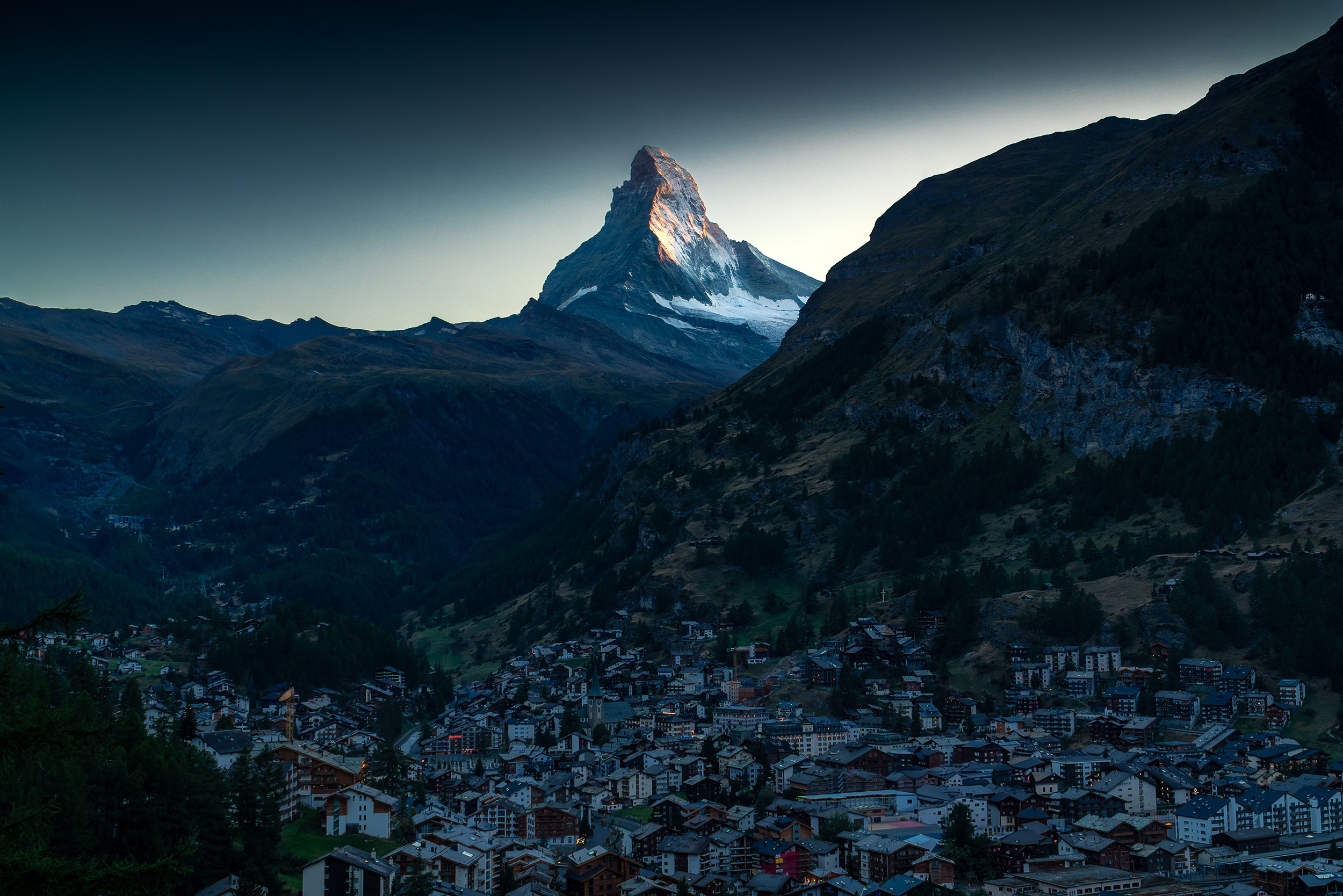 © Maciej Pesko | Sony α6700 + E 18-105mm f/4 G OSS | 1/8s @ f/9.0, ISO 100
The third shows an alpine forest wrapped in fog. “This is all about the atmosphere of a rainy mountain day,” he explains. “The clouds were covering the nearby peaks, but I caught the perfect moment when they parted enough to reveal the natural contours of the mountainside and its subtle tonal transitions. This time, I use the Sony E PZ 18-105mm f/4 G OSS at 105mm, the sort of focal length which can isolate a fragment of the landscape and emphasize the mood.”
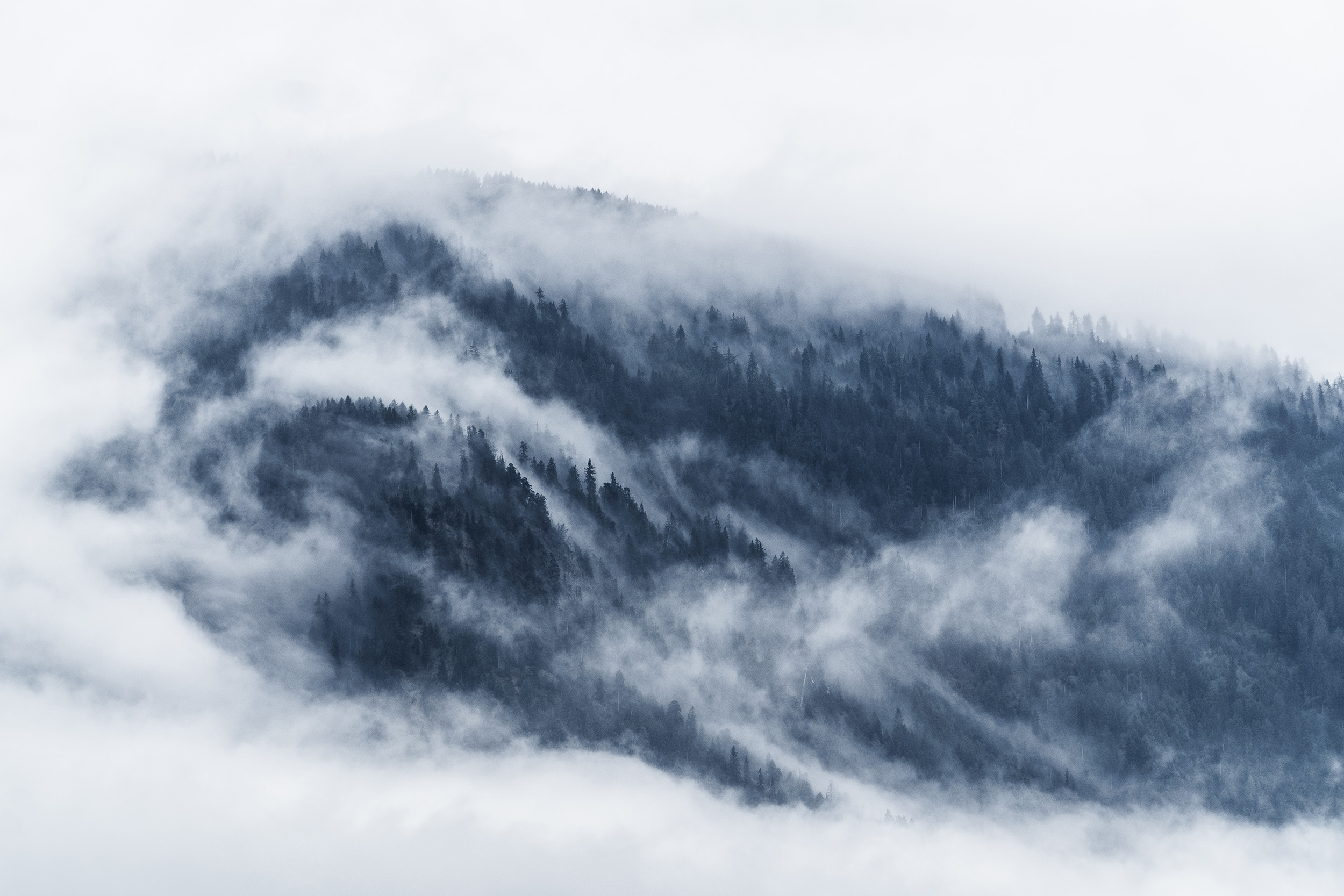 © Maciej Pesko | Sony α6700 + E 18-105mm f/4 G OSS | 1/400s @ f/6.3, ISO 100
Pairing those lenses “offers tremendous flexibility in the mountains,” Maciej continues. The 11mm lens allows me to capture wide views and include foregrounds to give a sense of space and scale, but conscious composition is key. You need to make sure you have a strong foreground to guide the viewer and the lens should be used perfectly level if possible, otherwise images can look unnatural. The 18-105mm lets me prioritise distant details like the light on a peak or the texture of a glacier as well as compressing layers creatively. Together, they cover practically all my needs.”
The Alpha 6700 meanwhile, has become Maciej’s first choice for mountain shoots. “As well as the modes I already mentioned, I love the speed and precision of its AF, which in quickly changing light makes a huge difference,” he explains. “And its image quality is amazing, even at higher ISOs, which I often need in challenging light.”
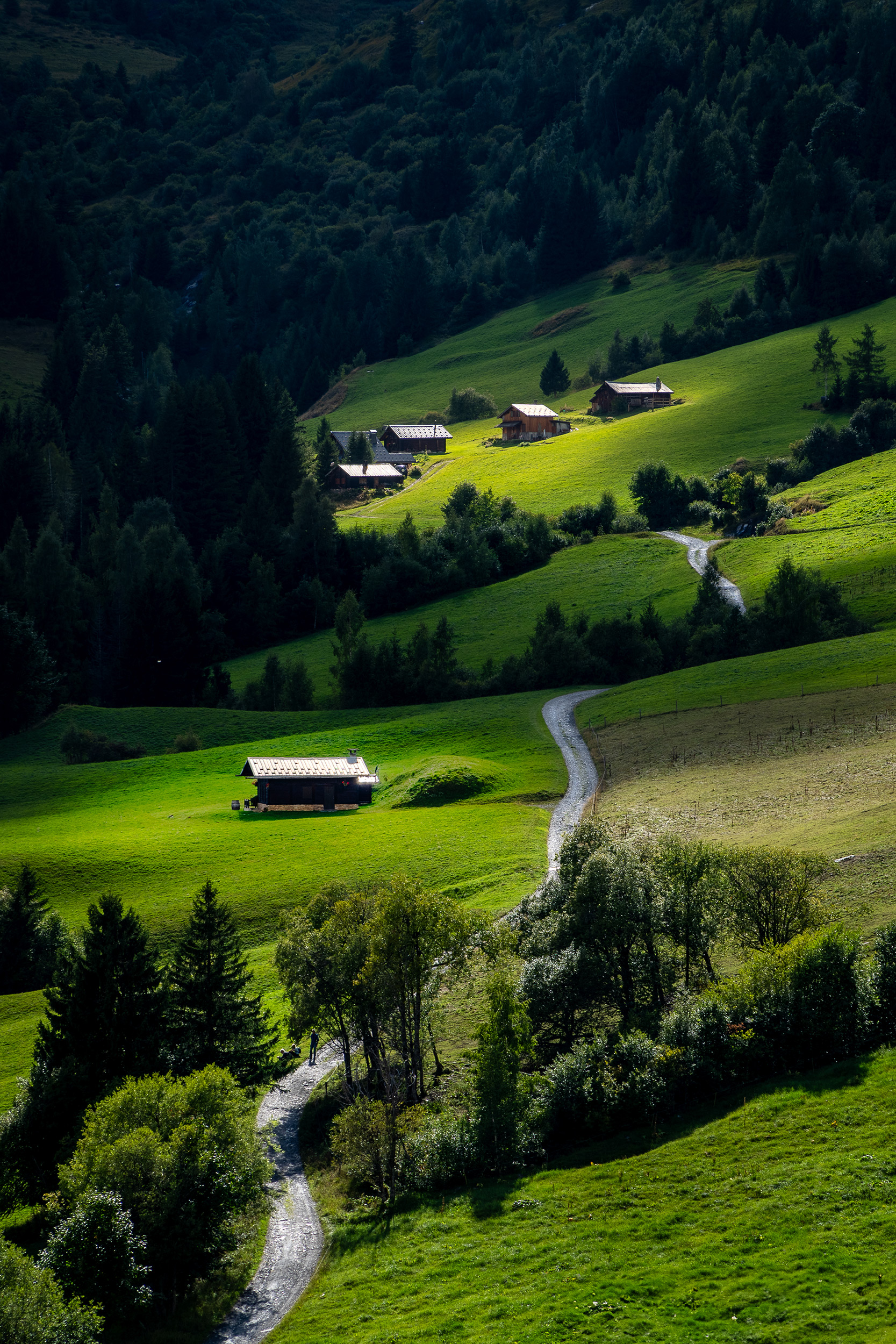 © Maciej Pesko | Sony α6700 + E 18-105mm f/4 G OSS | 1/500s @ f/8.0, ISO 100
“The size of the camera is also a real benefit,” Maciej continues. “A smaller body means less weight in your backpack and every gram matters when you’re hiking upwards for hours with all your other gear, supplies and safety kit. But in my experience, the smaller size never means a drop in results. In fact, it opens up possibilities that would otherwise be out of reach. In my opinion, it’s truly a great piece of equipment.”
With more Alpine trips to come, Maciej can only feel his connection growing. “Like all landscape photographers, I want to capture the mountains in classic, postcard-like shots, but I also want to study them in a more personal way. I want to spend more time below each peak and get to know its character. And now I have the perfect camera and lenses to do it.”


