
Across Six Countries with the Sony FE 70-200mm f/2.8 GM OSS II
John Makris
For 40 days, we travelled across six countries - Qatar, New Zealand, Australia, Indonesia, Singapore and Vietnam - carrying the G Master II trinity: the FE 16-35mm f/2.8 GM II, the FE 24-70mm f/2.8 GM II, and the FE 70-200mm f/2.8 GM OSS II, all mounted on the Alpha 7R V.
The trip was mainly for leisure - a reset after an intense season. We road-tripped both islands of New Zealand for nearly 20 days, explored Sydney and Melbourne - where I also conducted a one-to-one workshop - continued through Bali and Singapore, and finished in Vietnam. Landscapes, wildlife, culture and portraits unfolded constantly in front of us.
Within that trio, the FE 70-200mm f/2.8 GM OSS II became the lens that defined how I approached distance.
 © John Makris | Sony α7R V + FE 70-200mm f/2.8 GM OSS II | 1/800s @ f/2.8, ISO 100
Lightweight enough to move freely
Over extended travel, weight matters. The 70-200mm feels remarkably light for a fast telephoto zoom. After days of carrying gear through cities, mountain trails and coastal paths, that balance makes a real difference. I kept it mounted longer and reacted faster without hesitation.
Paired with the Alpha 7R V, the setup felt natural in hand - stable and ready.
 © John Makris | Sony α7R V + FE 70-200mm f/2.8 GM OSS II | 1/2000s @ f/2.8, ISO 320
Fast and reliable
The autofocus performance was consistently impressive. The combination of the FE 70-200mm f/2.8 GM OSS II and the Alpha 7R V locked onto subjects quickly and confidently. Eye AF tracked smoothly, whether photographing wildlife at a distance or spontaneous portraits in busy streets. When travelling, moments are rarely repeatable. That reliability becomes essential.
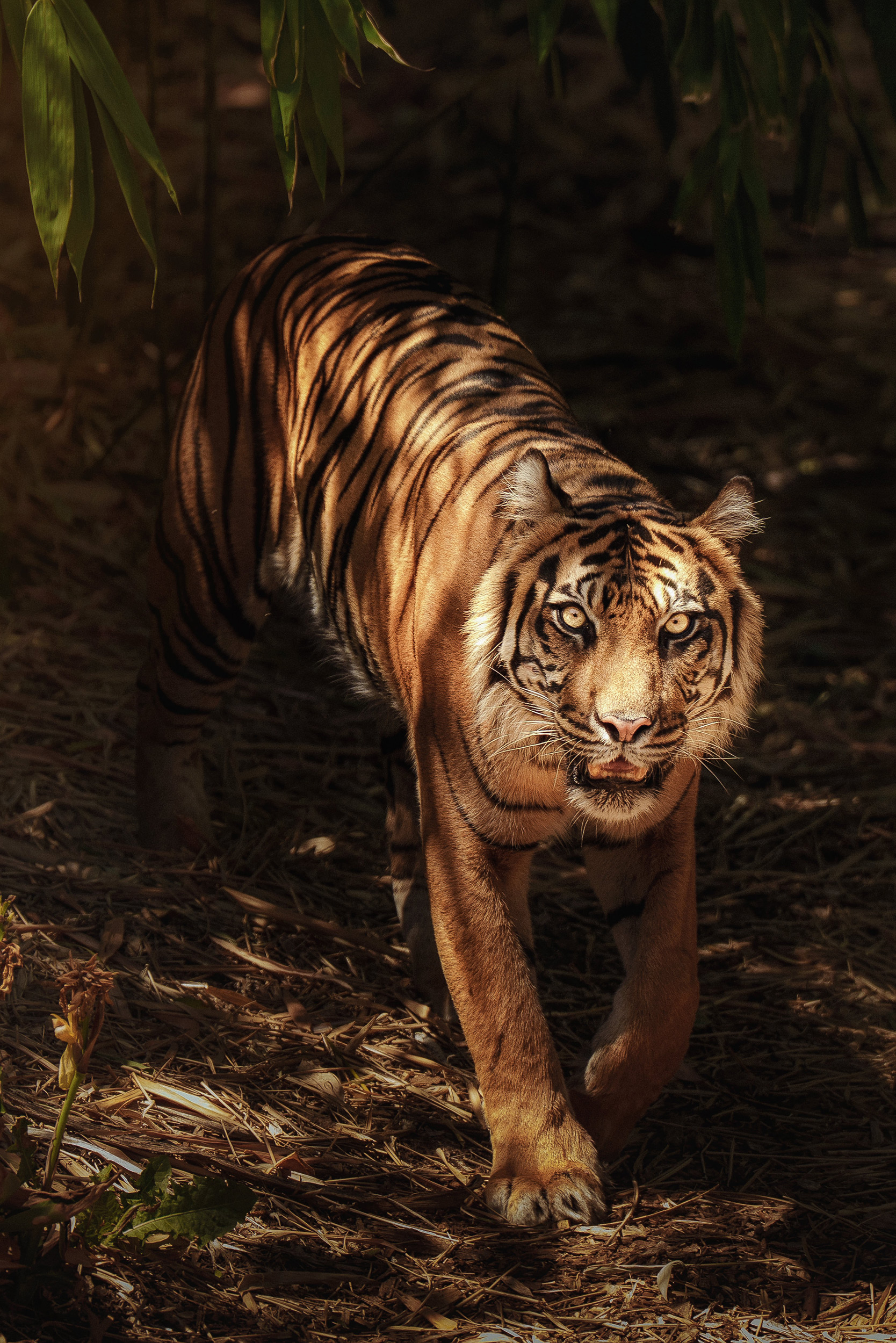 © John Makris | Sony α7R V + FE 70-200mm f/2.8 GM OSS II | 1/1600s @ f/2.8, ISO 500
The Power of compression
The defining strength of a 70-200mm lens is compression. In New Zealand, I used 200mm to compress distant mountain ranges into layers of light and shadow. Scenes that felt expansive at wider focal lengths became structured and intentional.
One unforgettable moment came during a small aircraft flight over Milford Sound on our way back to Queenstown. From above, fjords, waterfalls and drifting clouds created dramatic depth. With the FE 70-200mm f/2.8 GM OSS II, I isolated fragments of the landscape mid-flight - light on a ridge, shadow carving through a valley, overlapping terrain forming natural layers. From the air, compression transformed scale into structure.
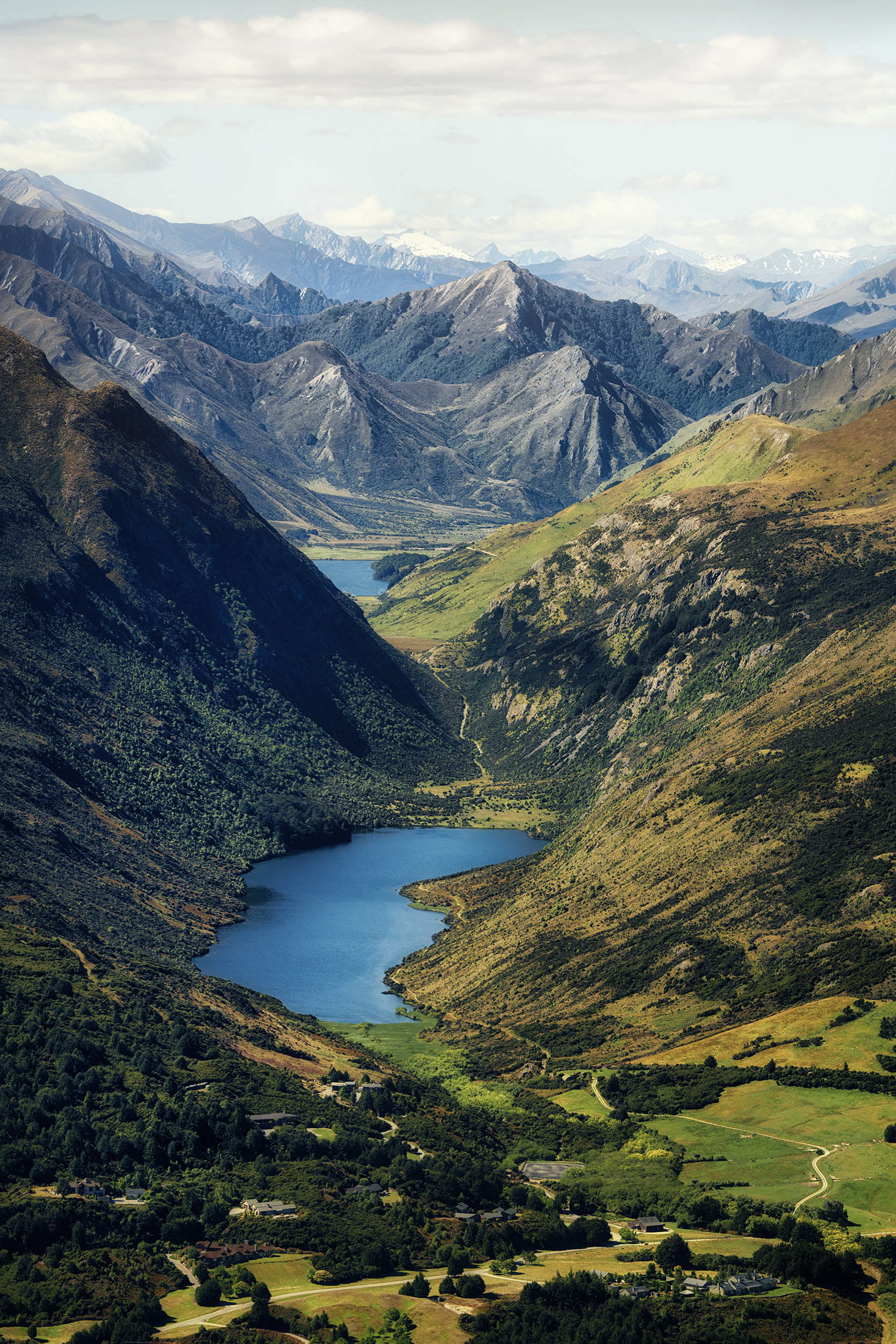 © John Makris | Sony α7R V + FE 70-200mm f/2.8 GM OSS II | 1/1250s @ f/3.5, ISO 160
In Vietnam’s incense village, surrounded by vivid red bundles arranged in repeating patterns, I photographed my wife at longer focal lengths. The lens isolated her while preserving the atmosphere. The background simplified without disappearing, and depth felt controlled rather than exaggerated. Compression does not just bring distant elements closer - it organises space.
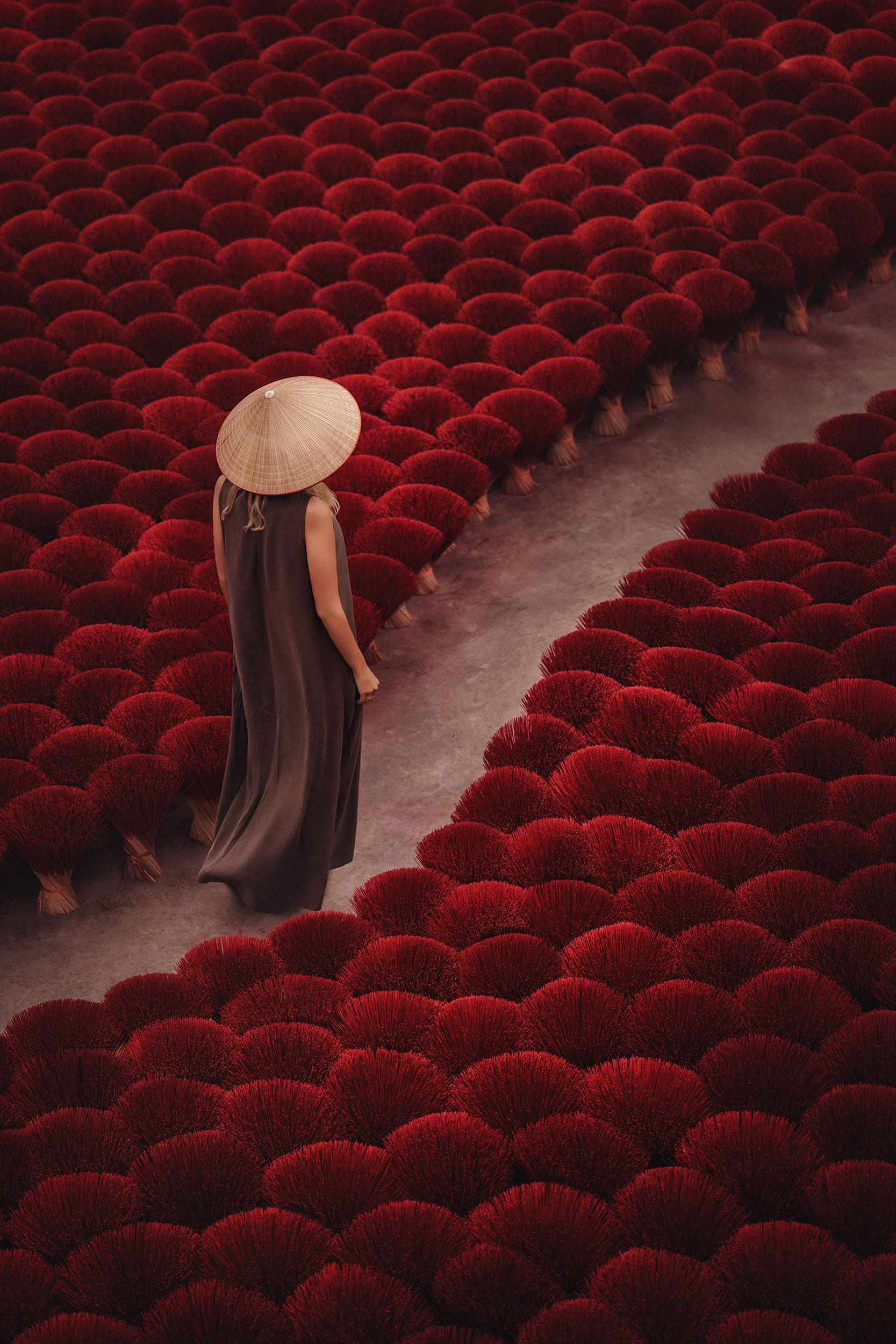 © John Makris | Sony α7R V + FE 70-200mm f/2.8 GM OSS II | 1/640s @ f/2.8, ISO 200
Extending reach with crop mode
Working with the 61MP sensor of the Alpha 7R V added flexibility.
I assigned APS-C crop mode to a custom button. With one press, I could switch to a tighter field of view. Technically, this uses a smaller central portion of the sensor, producing around 26 megapixels - still more than enough for high-resolution output.
In practice, it effectively extended the 200mm field of view closer to 300mm without changing lenses. For wildlife and distant details, that instant reach proved invaluable.
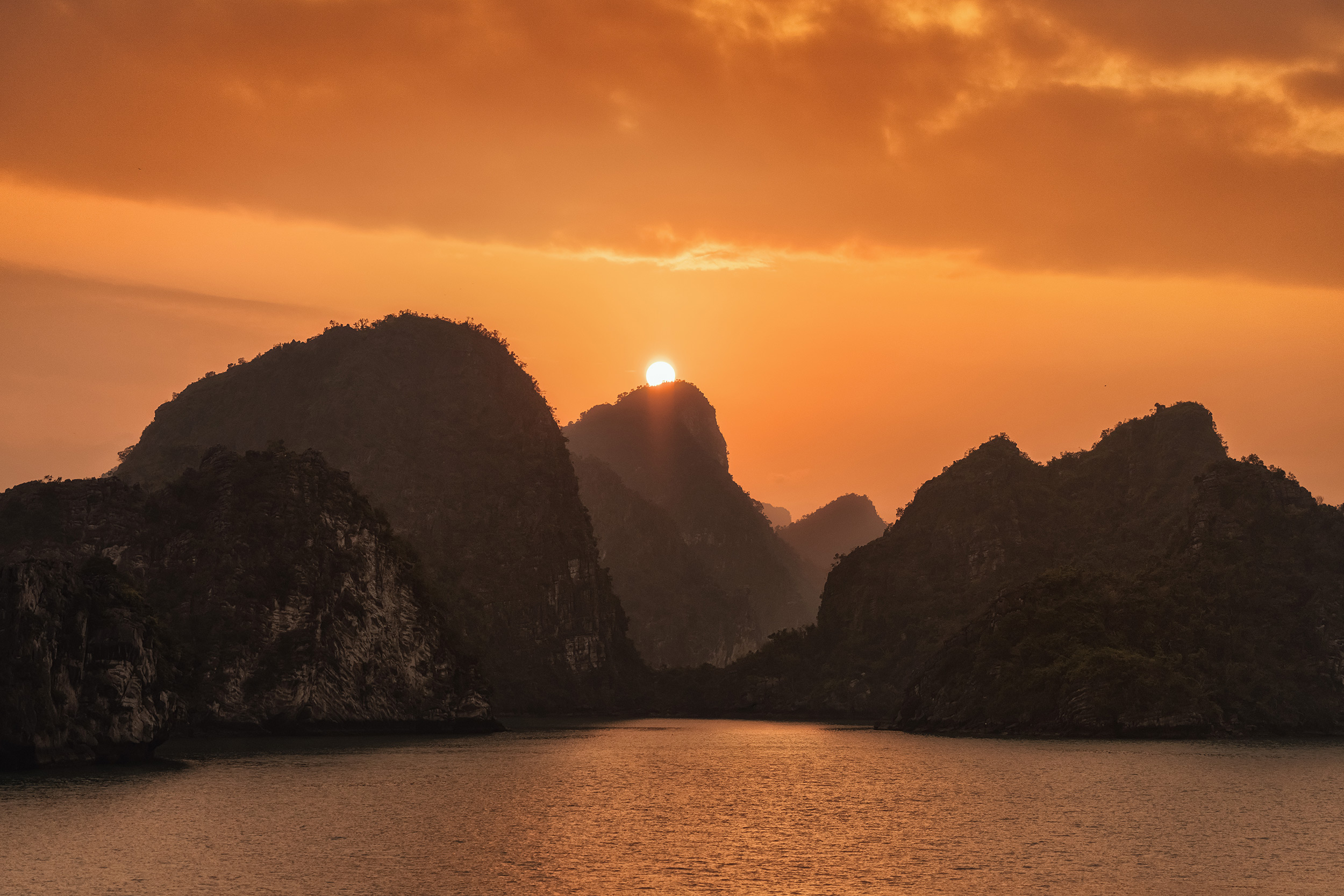 © John Makris | Sony α7R V + FE 70-200mm f/2.8 GM OSS II | 1/3200s @ f/2.8, ISO 500
Stable, even in motion
Throughout the trip, I captured both stills and short video clips.
Even handheld at longer focal lengths, the combination of Optical SteadyShot in the lens and in-body stabilisation in the Alpha 7R V delivered steady, usable results. Shooting telephoto video while travelling light felt realistic rather than risky.
 © John Makris | Sony α7R V + FE 70-200mm f/2.8 GM OSS II | 1/1000s @ f/2.8, ISO 1000
Under the Night Sky
Although I had the FE 14mm f/1.8 GM as my primary astrophotography lens, one evening near Moke Lake in New Zealand I turned to the FE 70-200mm f/2.8 GM OSS II to capture the Magellanic Clouds more closely. The telephoto perspective isolated the formations against the dark sky, revealing unexpected structure and clarity.
It was a reminder that this lens extends beyond typical expectations.
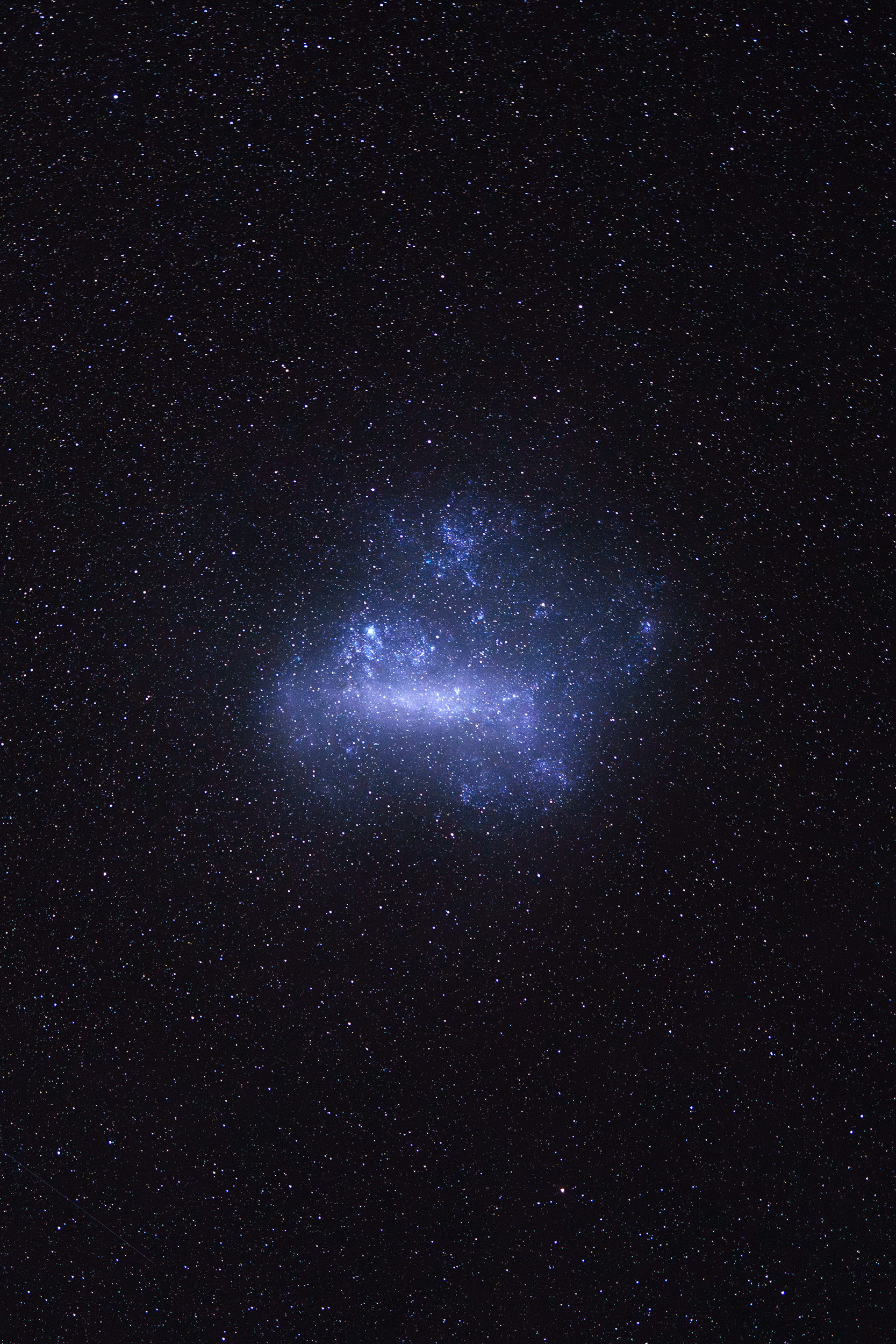 © John Makris | Sony α7R V + FE 70-200mm f/2.8 GM OSS II | 20s @ f/2.8, ISO 4000
Seeing Differently
Across six countries and 40 days, the FE 70-200mm f/2.8 GM OSS II proved fast, light and reliable. It handled landscapes, wildlife, portraits and handheld video with the same consistency. But what stayed with me most was how it encouraged patience.
At longer focal lengths, you naturally step back. You observe more. You wait for alignment - of light, of gesture, of form. Whether compressing mountains over Milford Sound, isolating colour in Vietnam, or extending reach through crop mode, the lens consistently rewarded that approach.
It didn’t push me closer - it helped me frame with intention.
And over the course of this journey, that made all the difference.


