
Lens Profile | FE 70-200mm f/4 Macro G OSS II
Kyle van Bavel
Nijmegen is one of the Netherlands’ largest cities, with a population of close to 200,000, so it would be an odd venue to photograph wildlife for some. But not for Kyle van Bavel. “In fact,” he says, “any town or city can be a great place for a safari if you know where to look.” For Kyle, ‘where to look’ usually means close-up, with macro images of plants and animals being his mainstay, an approach which means the natural world is endlessly revealing its wonders.
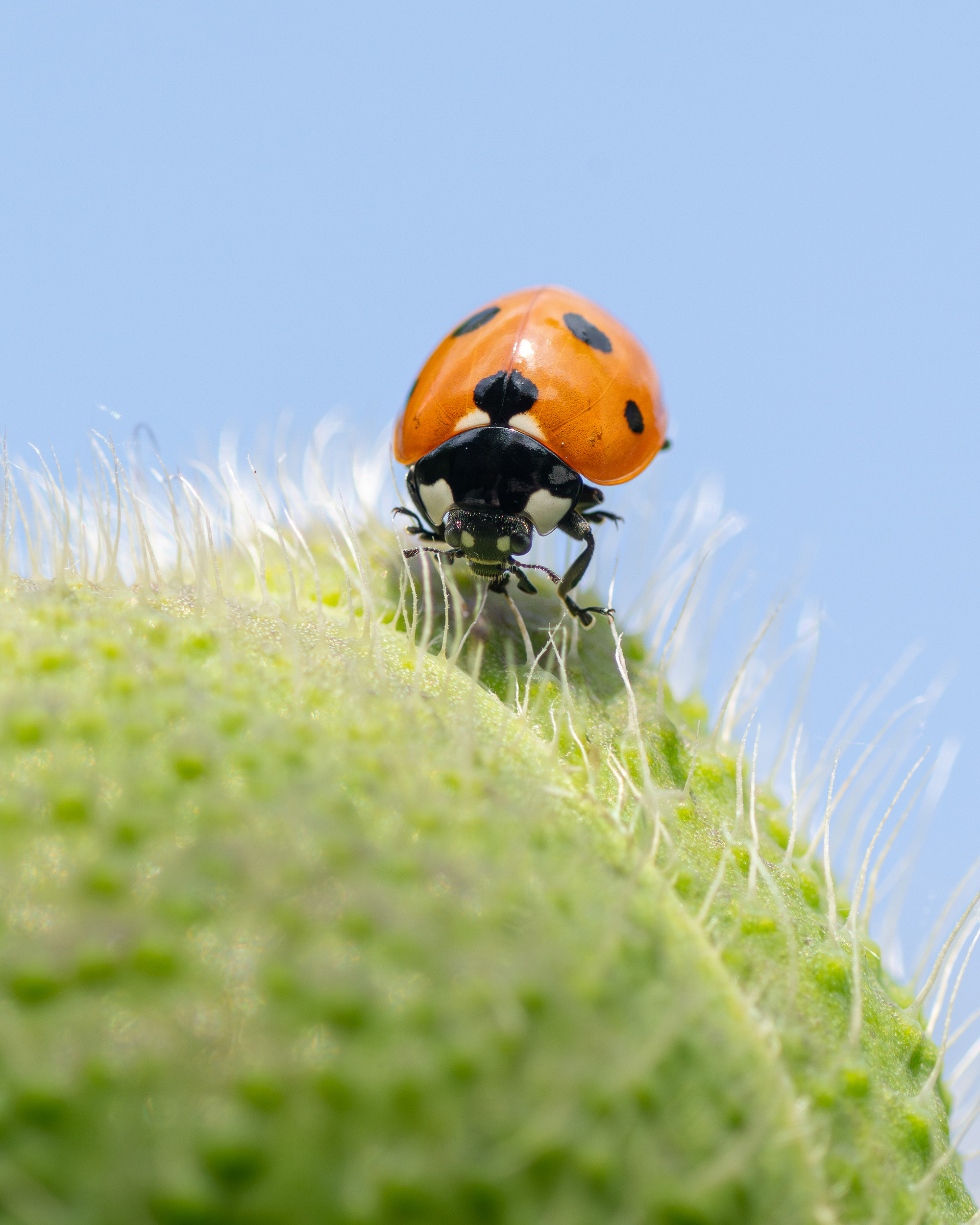 © Kyle van Bavel | Sony α7R V + FE 70-200mm f/4 Macro G OSS II + 2x Teleconverter | 1/500s @ f/8.0, ISO 640
“One of my passions is showing how amazing nature can be if you stop to take notice,” he says. “There’s so much exciting stuff all around us, in the undergrowth, in our gardens and parks, and often that means it’s happening right under our noses. People call me an eagle eye, and I do see a lot of things that others miss, but it’s because I’m always scanning and taking an interest. There is wildlife to be discovered everywhere.”
Just take Kyle’s image of a Nursery Web Spider carrying an egg sack, which he spotted just as he arrived back home one day. Something that 99 people in 100 would have missed, his observation, technique, and gear turned a chance encounter into a great image.
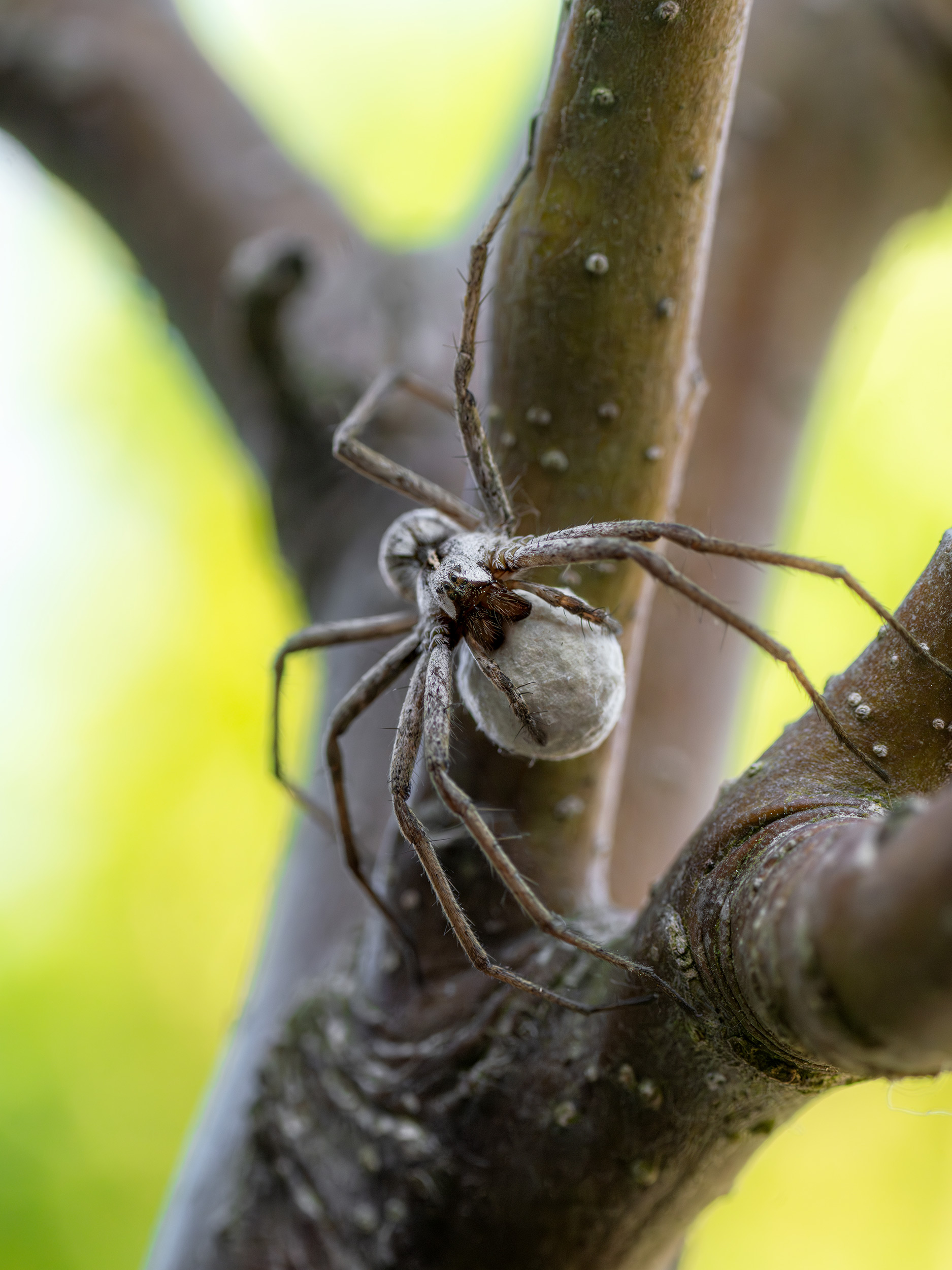 © Kyle van Bavel | Sony α7R V + FE 70-200mm f/4 Macro G OSS II + 2x Teleconverter | 1/320s @ f/8.0, ISO 1000
A good macro composition is highly dependent on background and surroundings, Kyle continues, with “just small changes in shooting position giving very different results, whether that’s in colour, light or the amount of blur in the backdrop. Normally I like to find zones that aren’t too close to other plants, so the frame is simple and uncluttered. The more you do it, the easier it is to predict what’s going to happen, but it’s always a thrill when a bug moves into exactly the position you’ve imagined.”
Unlocking the power to capture wildlife near and far, Kyle used the FE 70-200mm f/4 Macro G OSS II lens and 2x Teleconverter along with his Alpha 7R V camera to make all these images. “The power of this lens is that it can help you shoot everything, from insects to birds and big mammals,” he says. “It’s one lens that does it all.”
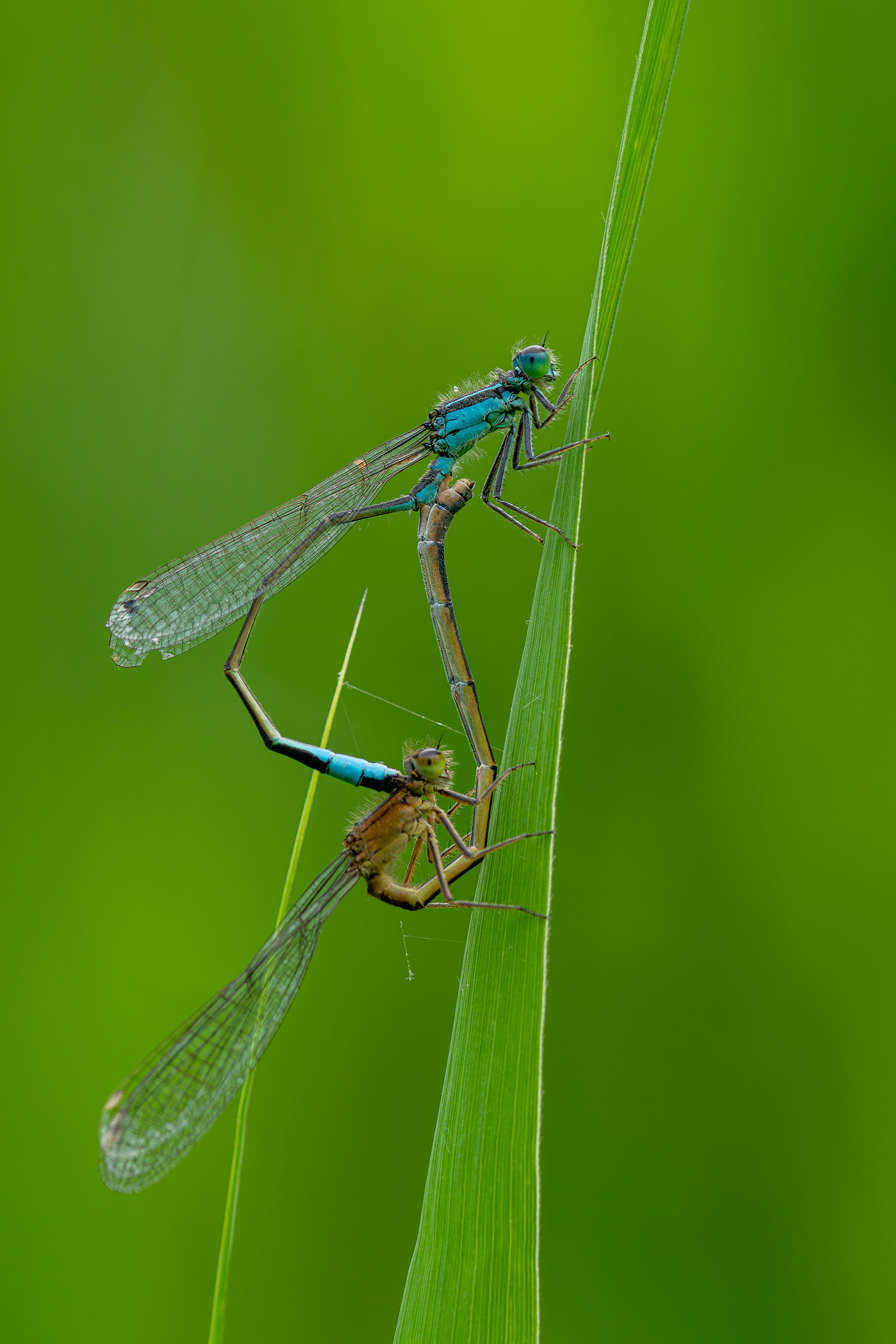 © Kyle van Bavel | Sony α7R V + FE 70-200mm f/4 Macro G OSS II + 2x Teleconverter | 1/320s @ f/8.0, ISO 400
Normally the FE 70-200mm f/4 Macro G OSS II can give a very useful 0.5x magnification anywhere within focal range but using it with a 2x teleconverter gives a focal length of 140-400mm, and a full life size reproduction,” Kyle explains. “That’s amazing for small, distant subjects you come across like dragonflies, or in any situation where you need to keep your distance.”
And while using teleconverters naturally restricts the maximum aperture available on a lens, for Kyle’s macro work, this can actually be an advantage. “I’m always telling people who want to make macro images like mine that they need to stop down the aperture to settings like f/8 or higher,” he says. “This increases the depth-of-field and keeps more of the subject sharp, so using f/8 is actually very useful.”
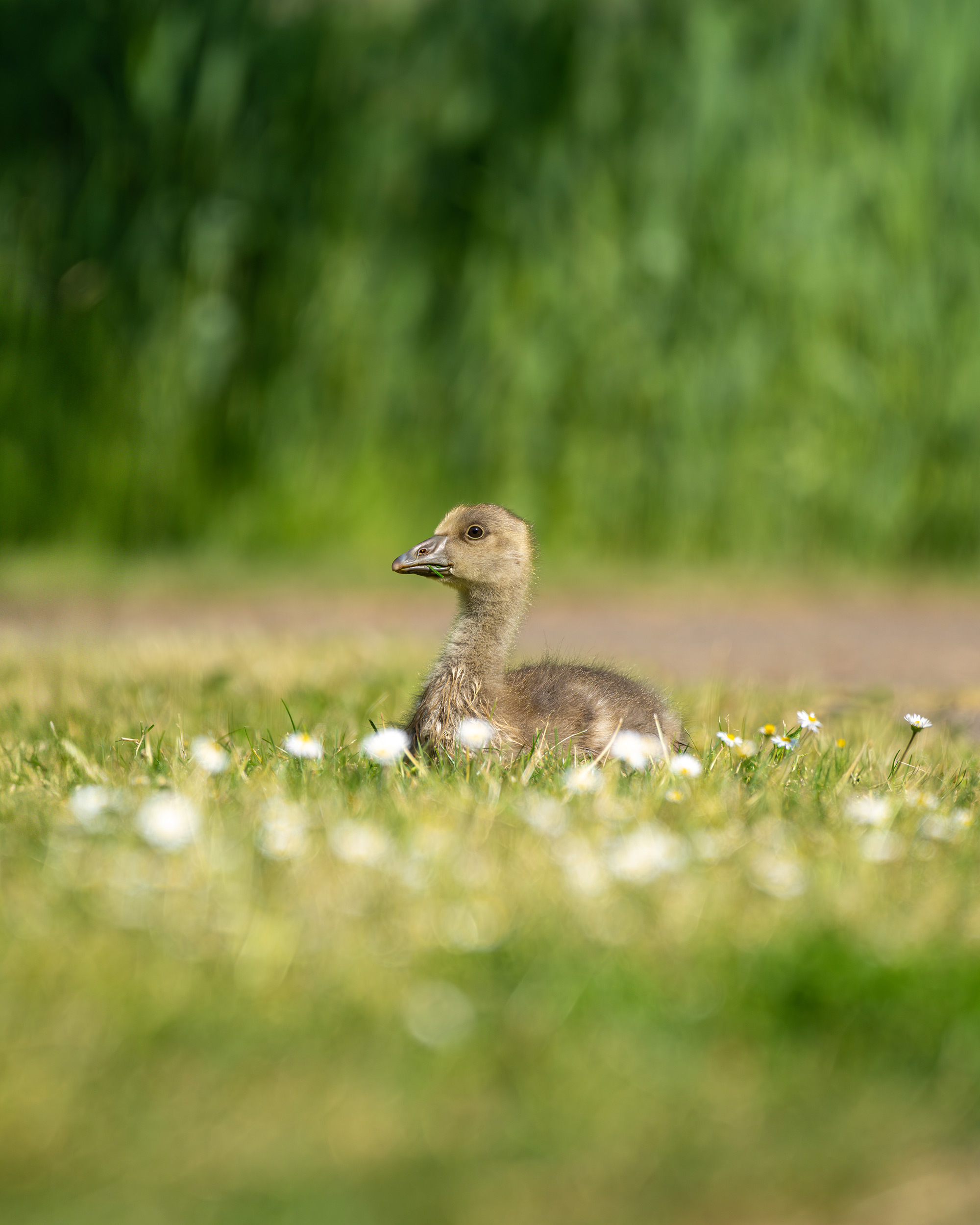 © Kyle van Bavel | Sony α7R V + FE 70-200mm f/4 Macro G OSS II + 2x Teleconverter | 1/800s @ f/8.0, ISO 500
“The lens’s f/4 aperture makes it smaller and lighter than an f/2.8 version,” Kyle continues, “so it’s great for exploring. And while wildlife photographers often want the fastest apertures, in these shots you can see that working at f/8 can give plenty of subject separation.”
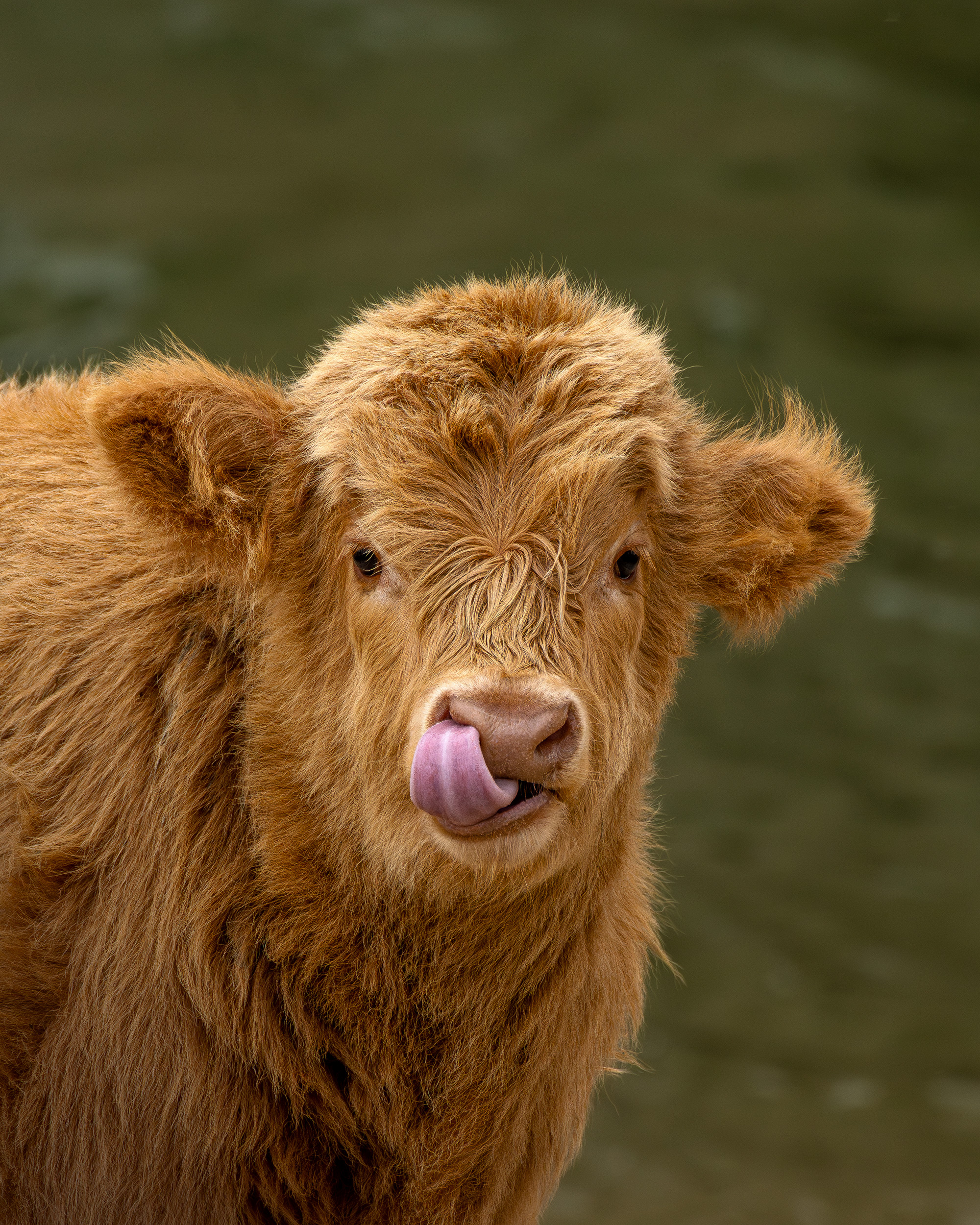 © Kyle van Bavel | Sony α7R V + FE 70-200mm f/4 Macro G OSS II + 2x Teleconverter | 1/800s @ f/8.0, ISO 500
The power of Sony camera like the Alpha 7R V also draws superb results from smaller aperture lenses. “A 61MP resolution is a powerful tool to have,” Kyle says. “With macro or general wildlife, when you need to be quick, sometimes the composition isn’t perfect, but with all those pixels you can change the framing in post with no loss of quality, or crop in if you need to.”
 © Kyle van Bavel | Sony α7R V + FE 70-200mm f/4 Macro G OSS II + 2x Teleconverter | 1/500s @ f/8.0, ISO 500
“I also rely on the Alpha 7R V’s ISO performance and AF accuracy,” he continues. “I’m totally happy working at ISO 1000 or higher, which is vital in getting the shutter speeds I want to freeze movement when working at f/8. And even though for insects I often use simple single point focus, for moving subjects the Subject Recognition AF is, of course amazing. The Insect mode was used on this image of a flying bee, keeping it in perfect focus.”
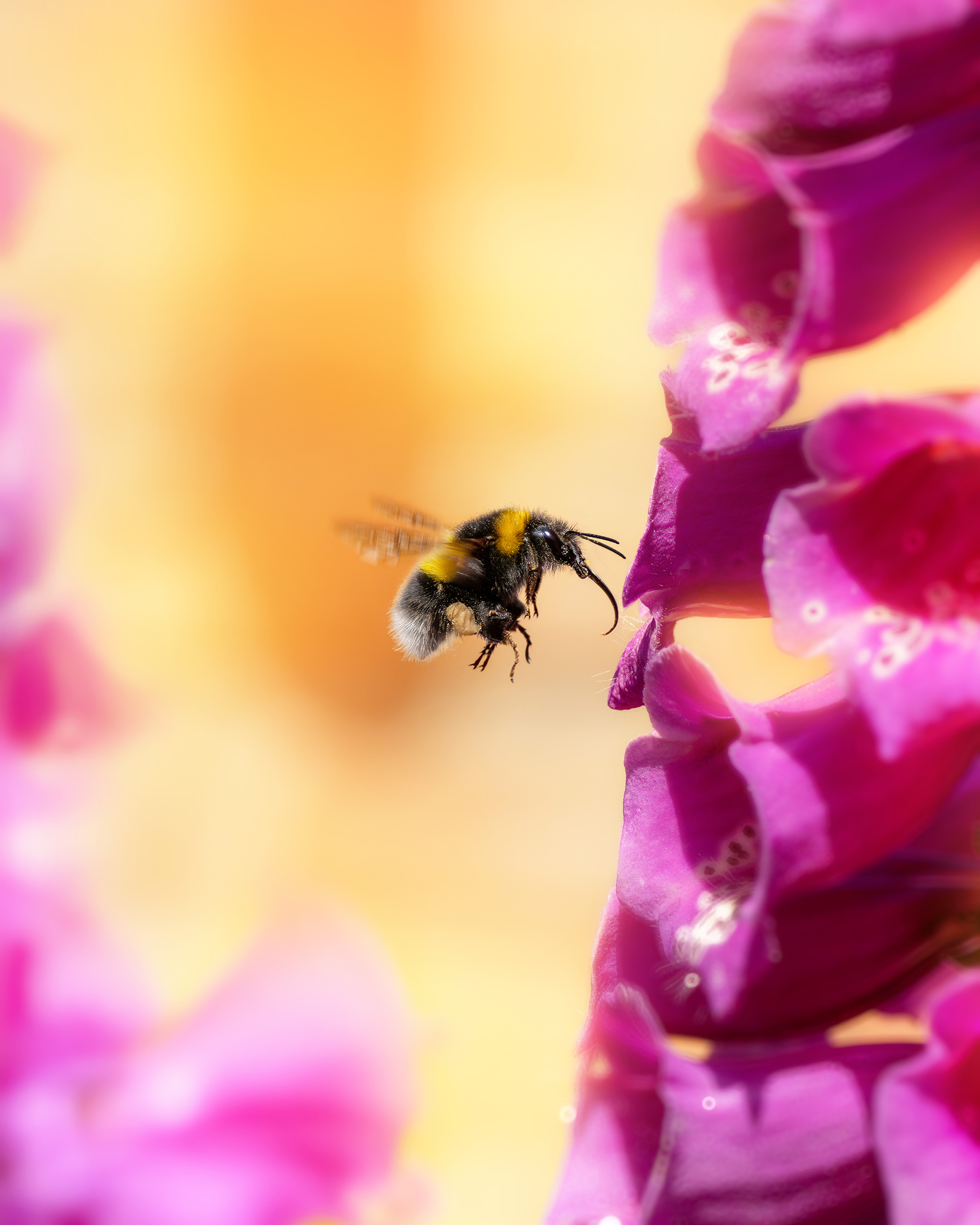 © Kyle van Bavel | Sony α7R V + FE 70-200mm f/4 Macro G OSS II + 2x Teleconverter | 1/800s @ f/8.0, ISO 500
“A lot of people like the idea of macro photography, but don’t necessarily want to buy a dedicated lens, so the FE 70-200mm f/4 Macro G OSS II is a brilliant solution for them,” Kyle finishes. “You can take it on hikes with ease and cover so many different subjects. It’s a real Swiss Army Knife lens for wildlife.”


