
Lens Profile | FE 20-70mm f/4 G
Ananda Joinet
Inspired by the geometric shapes of the Bardenas desert, photographer Ananda Joinet set off to explore and capture the wild beauty of one of Europe's most unique places with her Sony kit in tow.
"I wanted to show how incredible nature is and that man hasn't invented anything. We draw inspiration from everything around us – geometric shapes, curves, lines, materials – and this all starts out from nature," says Ananda.
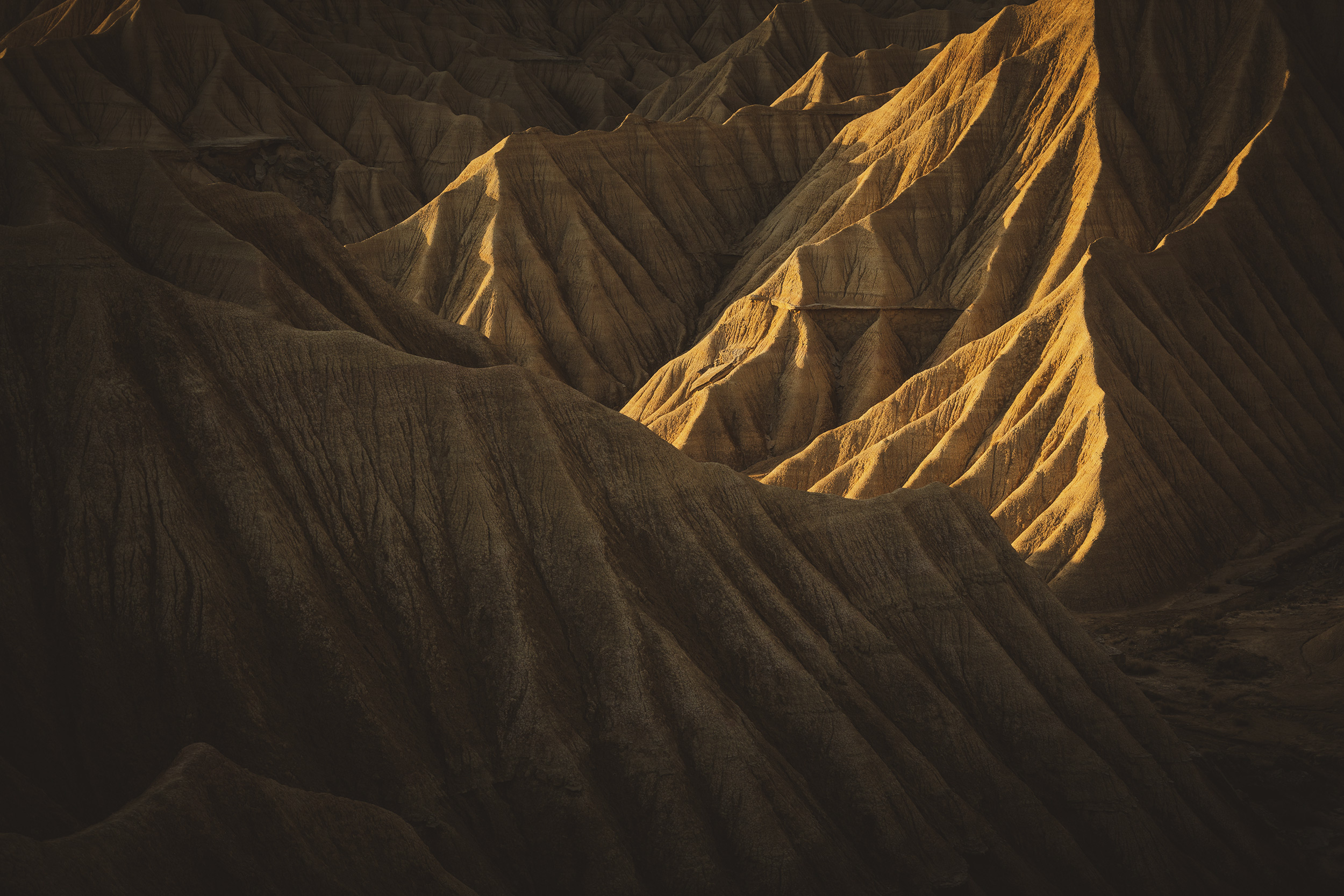 © Ananda Joinet | Sony α7 IV + FE 20-70mm f/4 G | 1/800s @ f/4.0, ISO 400
There were many challenges in shooting the project in a hostile, sun-baked desert environment. "I had to deal with the hot weather, lack of time, lighting conditions and worry whether there would be any good sunsets on my trip. On top of this, there were a fair number of hikers to contend with. However, most people don't venture too far into the desert as when you do, you truly are 'alone in the world'".
Ananda travelled into the desert with her Sony Alpha 7 IV, which she takes everywhere. "It's super versatile, and as I'm also a videographer, it lets me shoot video too. I'm always particularly impressed with the definition that the 33MP resolution sensor produces. Then there is the precise and reliable autofocus which means I never miss a shot," says Ananda.
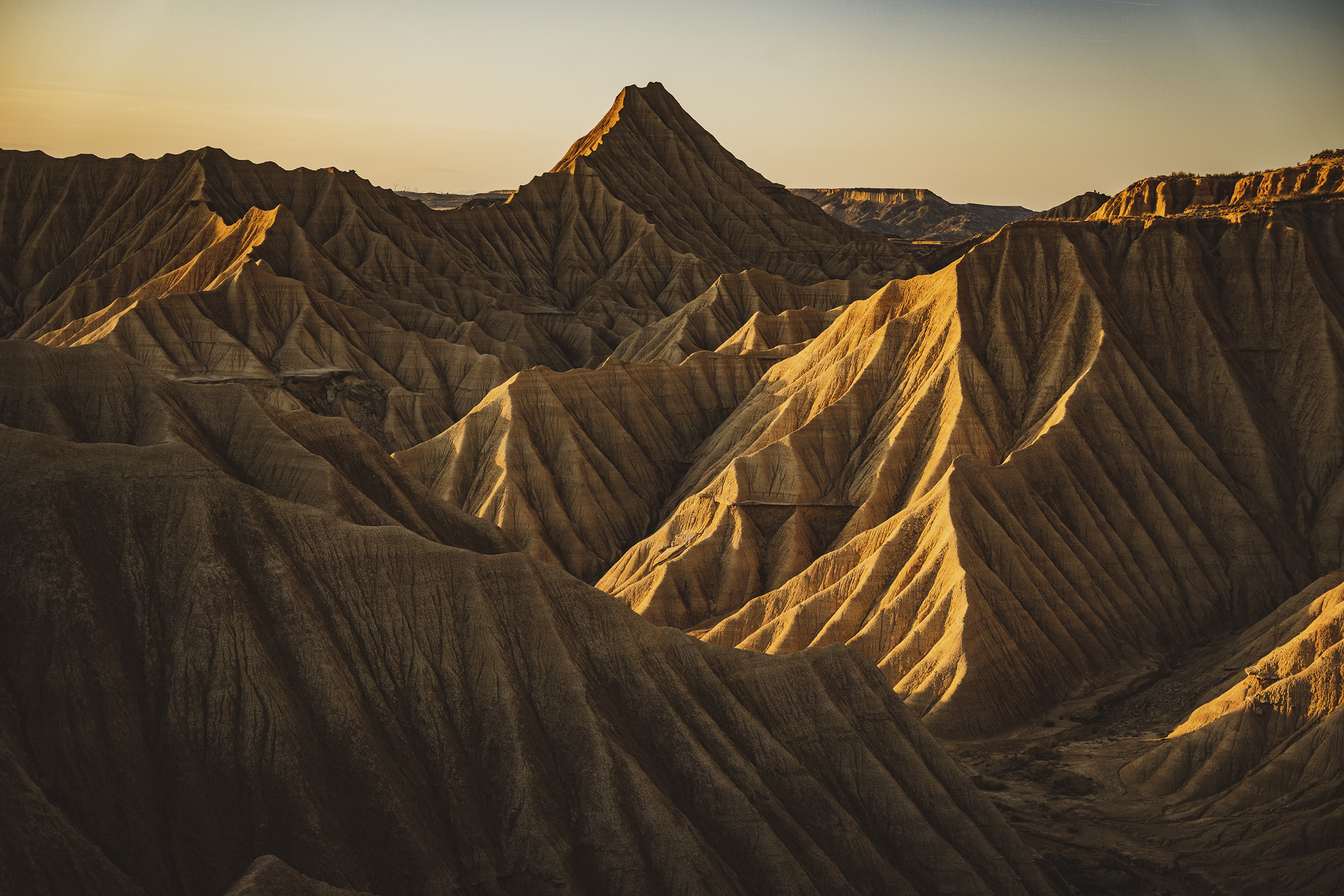 © Ananda Joinet | Sony α7 IV + FE 20-70mm f/4 G | 1/800s @ f/4.0, ISO 400
The series of images are notable for their colours, capturing the coolness and warmth of the desert as it transitions from day to night. That colour was part of the story that Ananda wanted to capture, but it was also a playful part of the series.
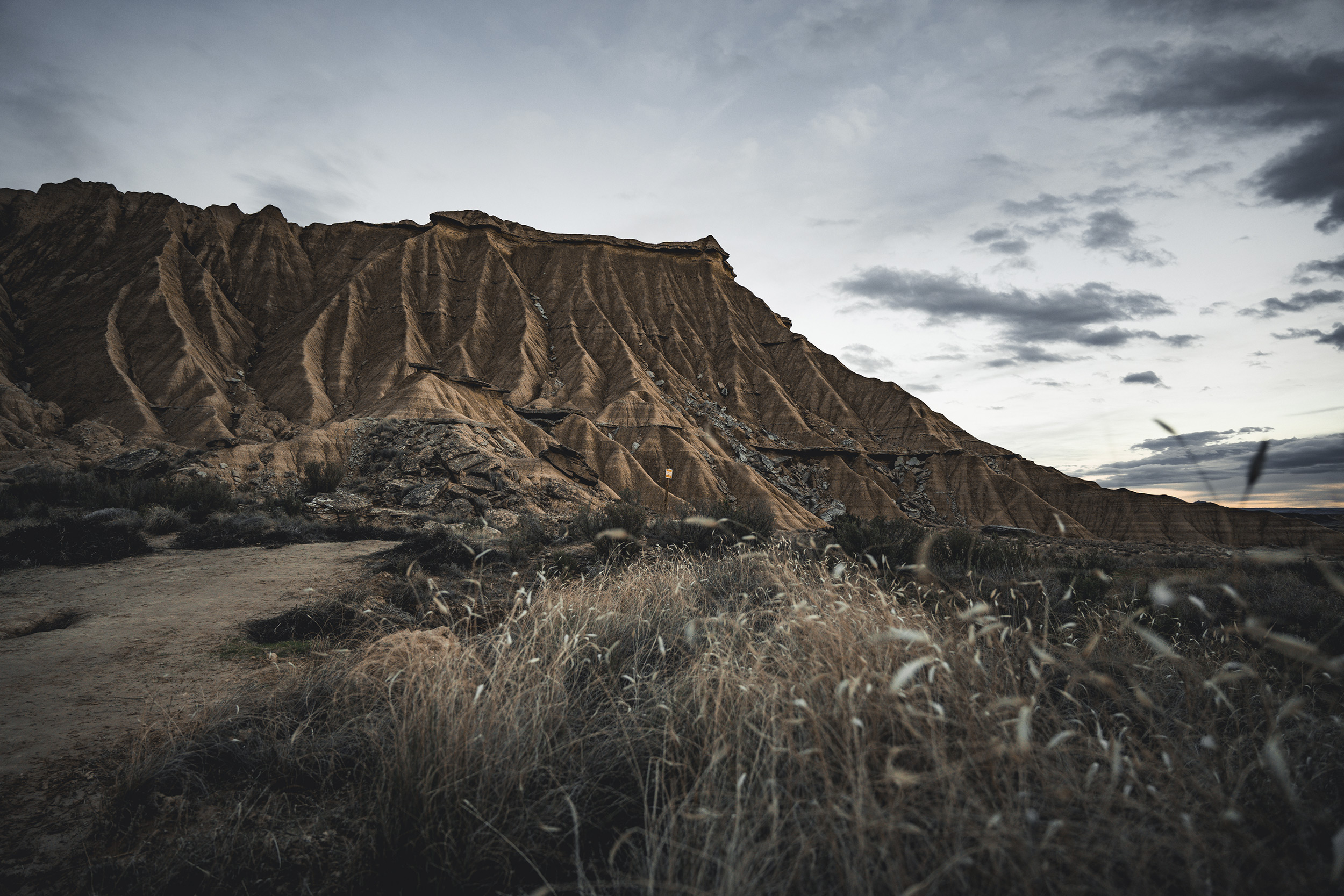 © Ananda Joinet | Sony α7 IV + FE 20-70mm f/4 G | 1/25s @ f/4.0, ISO 125
"Experimenting with the colours and lights was super satisfying. The lights at sunset and sunrise created incredible shadows and nuances in the valley and in the curves of the Bardenas mountains. These warm colours against the contrast of the mountains create a very graphic universe."
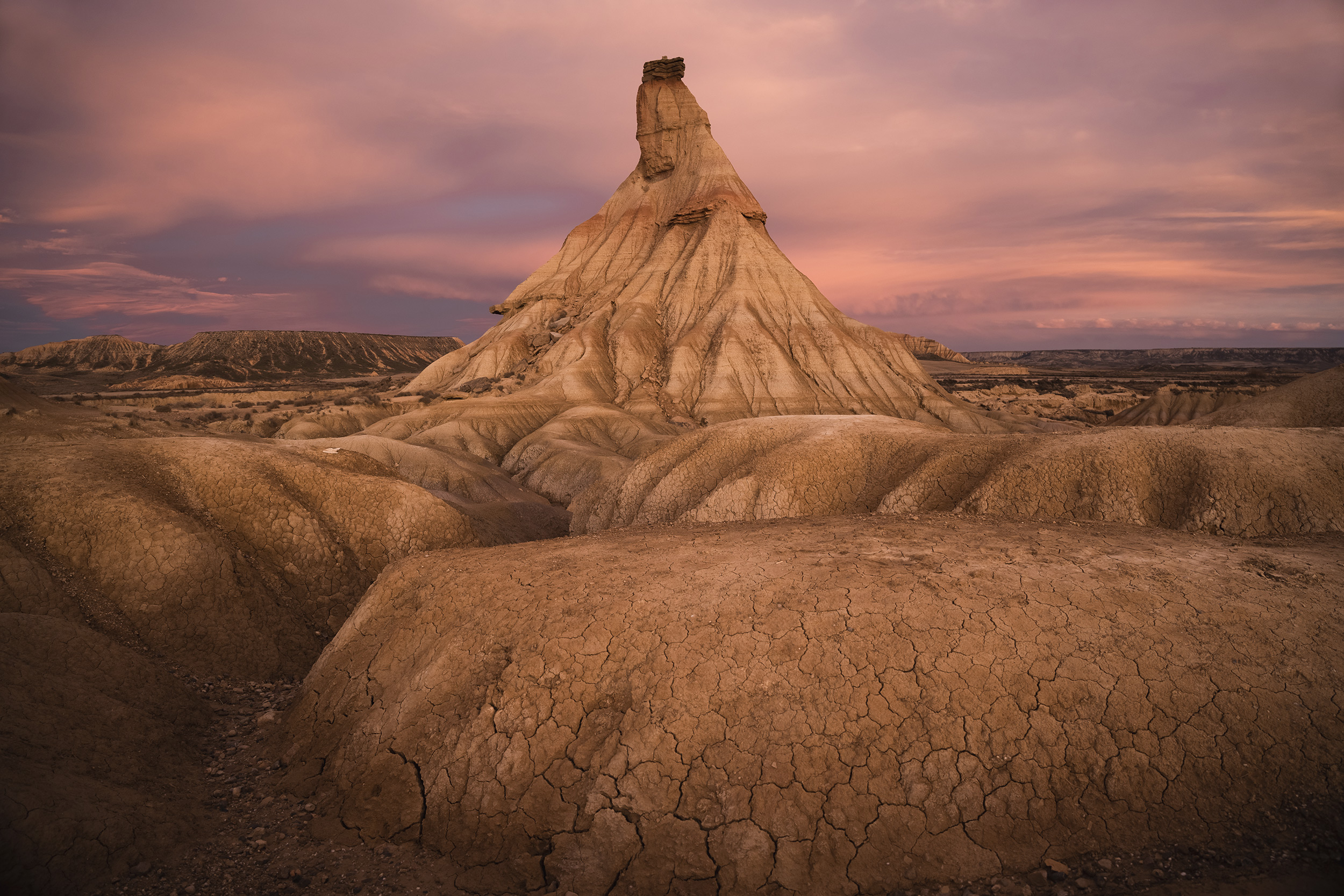 © Ananda Joinet | Sony α7 IV + FE 20-70mm f/4 G | 1/25s @ f/4.5, ISO 125
The colours help to tell part of the story of the incredible landscape and make it seem like another world. "I am looking for an emotion in the landscape - a light, an atmosphere. I like to show how beautiful each element of nature is, whether cheerful or melancholy. I always try to create a touch of poetry or nostalgia in my images so that the viewer feels the same emotion I did when I stopped to take the shot."
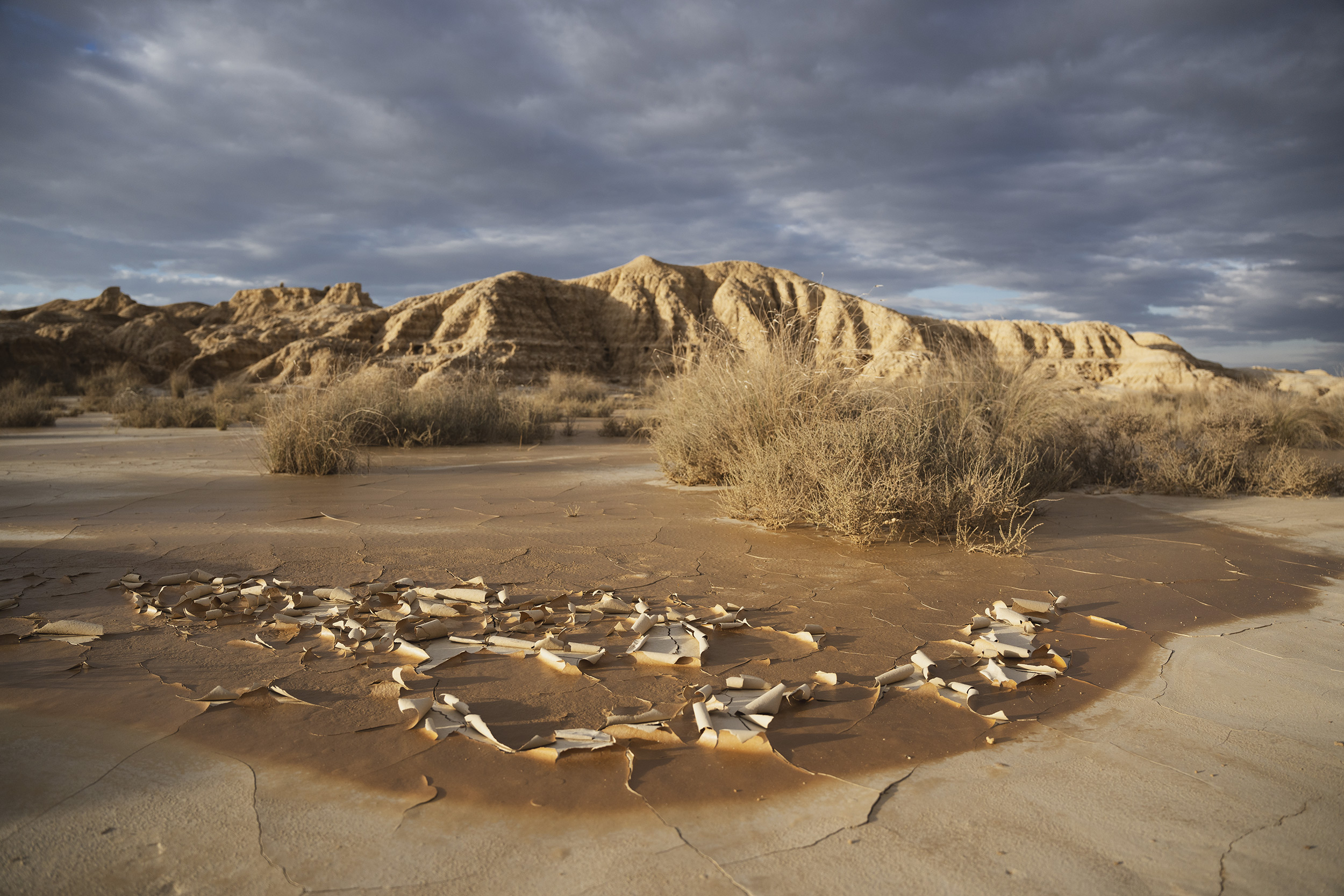 © Ananda Joinet | Sony α7 IV + FE 20-70mm f/4 G | 1/1250s @ f/4.0, ISO 320
Mounted on her Sony Alpha 7R IV was the FE 20-70mm f/4 G series lens. It offers a wider field of view than a traditional 24-70mm zoom lens, but with a smaller f/4 aperture, it is still small and light enough to make it an excellent travel lens, allowing photographers to explore with freedom.
"I used the FE 20-70mm f/4 G for these photos because it's incredibly adaptable: I can switch from an ultra-wide angle to a slight telephoto, which is very practical when wanting to capture a range of varying shots. It's also super lightweight, so it really is the lens to have with you when travelling."
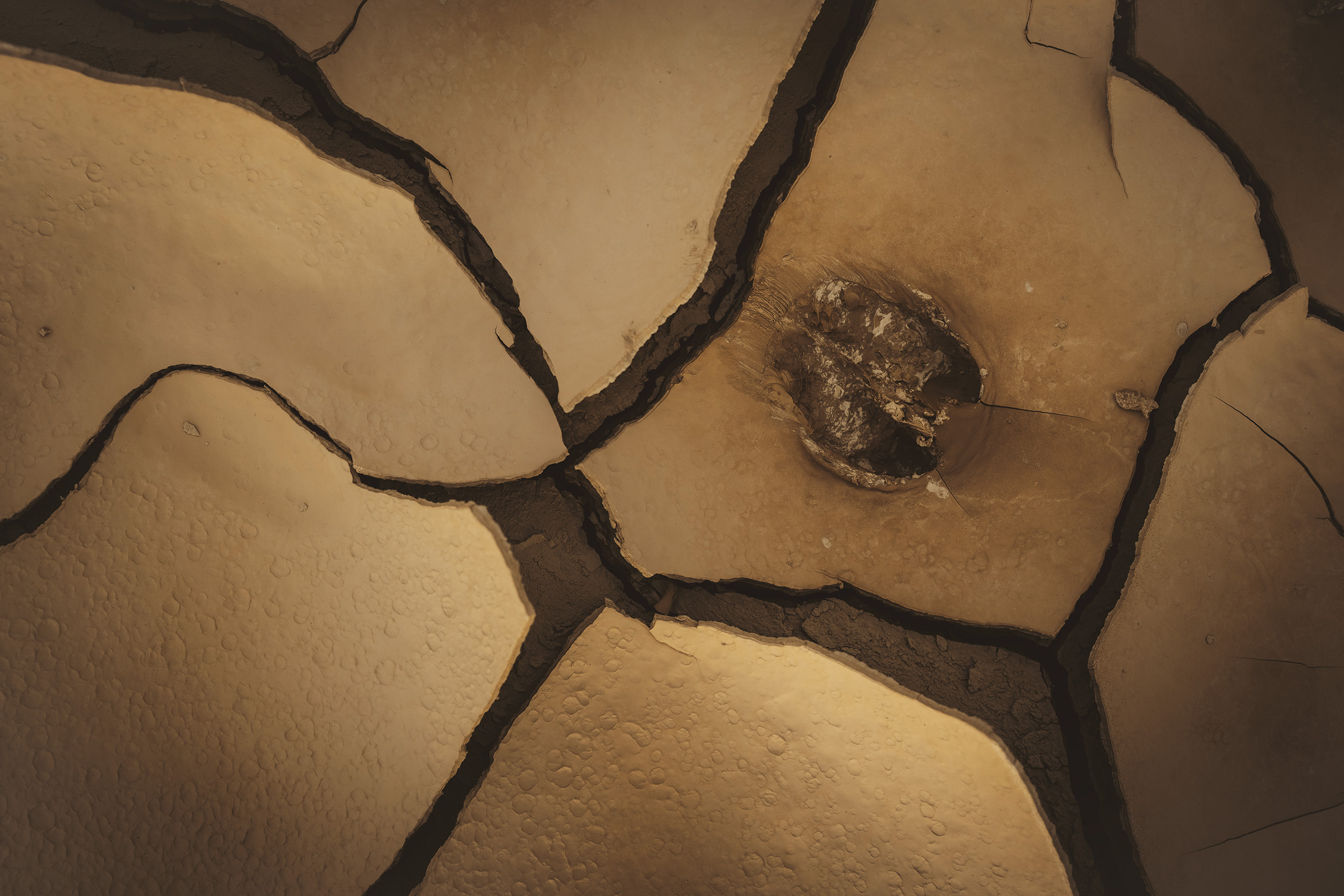 © Ananda Joinet | Sony α7 IV + FE 20-70mm f/4 G | 1/250s @ f/6.3, ISO 320
On paper, it may only seem like a slight difference shooting at 20mm compared to 24mm, but it can significantly impact images. "I found myself shooting at 20mm in a lot of situations and I was blown away. I didn't expect such good sharpness from an f/4 lens and I didn't notice any loss of sharpness at the edges of the image either. It's an excellent lens for both photography and video."
Below are two photographs that Ananda loves from the project. Each image depicts that despite the harsh desert environment, nature is still present and cannot be stopped.
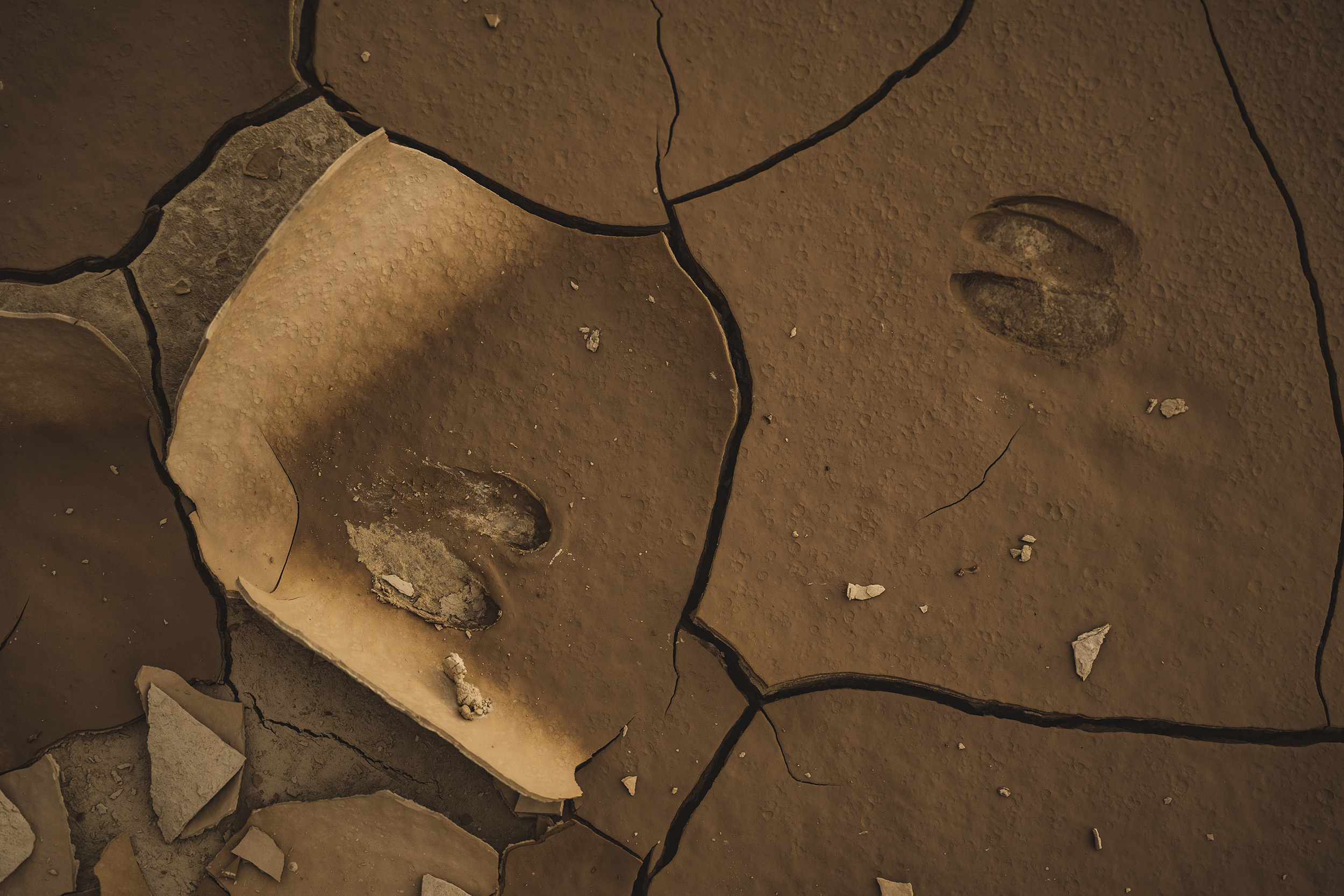 © Ananda Joinet | Sony α7 IV + FE 20-70mm f/4 G | 1/800s @ f/4.0, ISO 320
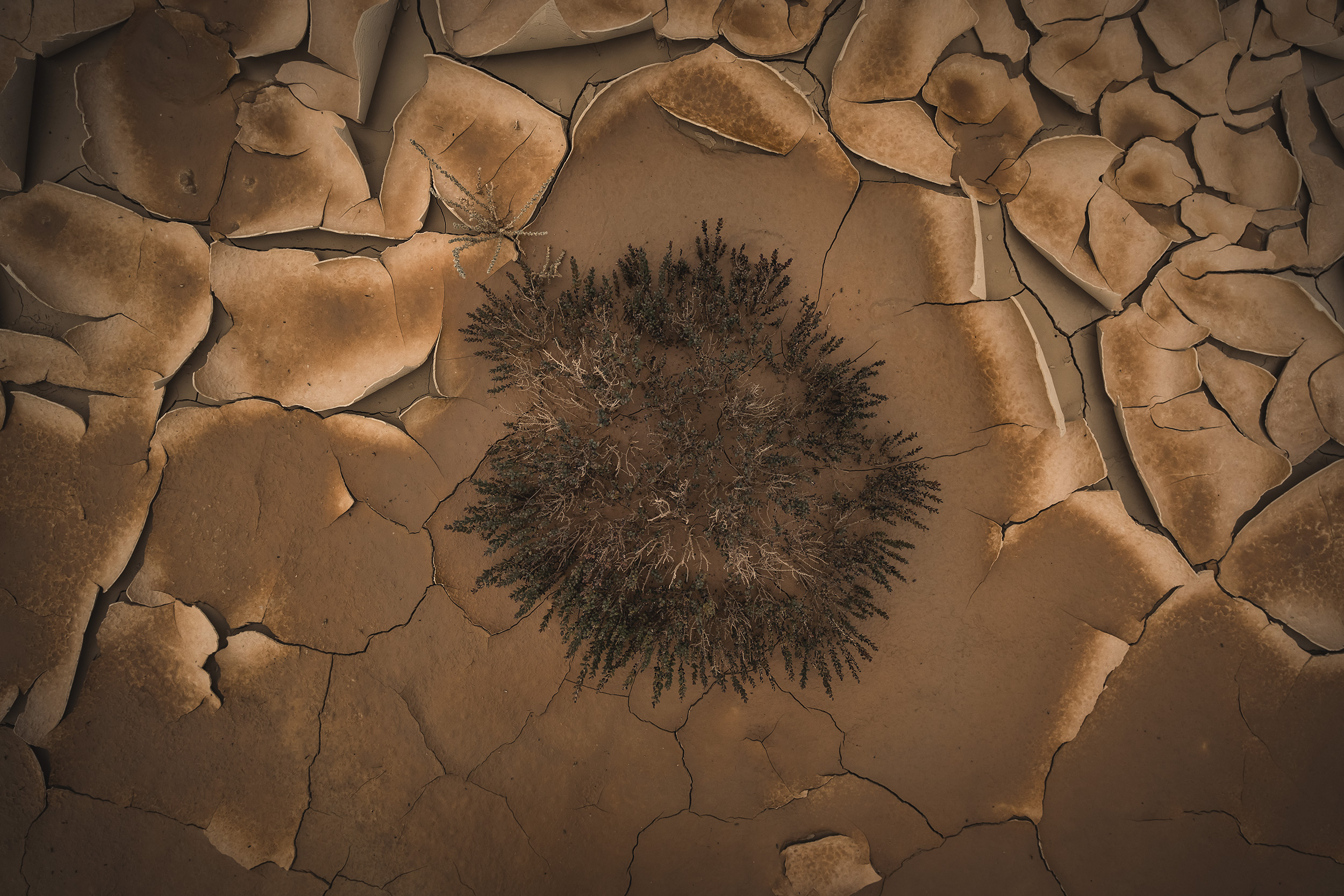 © Ananda Joinet | Sony α7 IV + FE 20-70mm f/4 G | 1/800s @ f/4.0, ISO 320
"In the first one, you can see the deer and fox prints left on the ground after the rain, and they will remain embedded there until the next downpour. The second image is of heather, which, despite the arid soil and dry winds, is still flourishing despite everything."
There are also shots taken from higher up, looking down into the valleys of the desert range. "I love these views from above, as they project us above the scene as spectators of what's happening before our eyes. It makes me want to go back and try to photograph the fauna hiding there."
Later this year, Ananda will take her FE 20-70mm f/4 G series lens to Norway, followed by a trip to photograph polar foxes in Hornstrandir, Iceland. "I will try my hand at wildlife photography with the wider 20-70mm lens. Of course, I'll be taking my telephoto lenses too, but it will be interesting to see how I can capture both the foxes and their habitat with the 20-70mm"


