
Lens Profile | FE 600mm f/4 GM OSS
Paul Browning
It can be an eternal dilemma in wildlife photography: the closer you are, the better the shot, but the greater the risk of scaring away your subject. “One of my favourite birds to photograph is the grebe,” says wildlife photographer Paul Browning. “To photograph them, you have to get down very low to the water. But as soon as the bird sees me, it's halfway to the other side of the lake.” This is why super-telephoto lenses are vital for wildlife photographers, especially bird photographers.
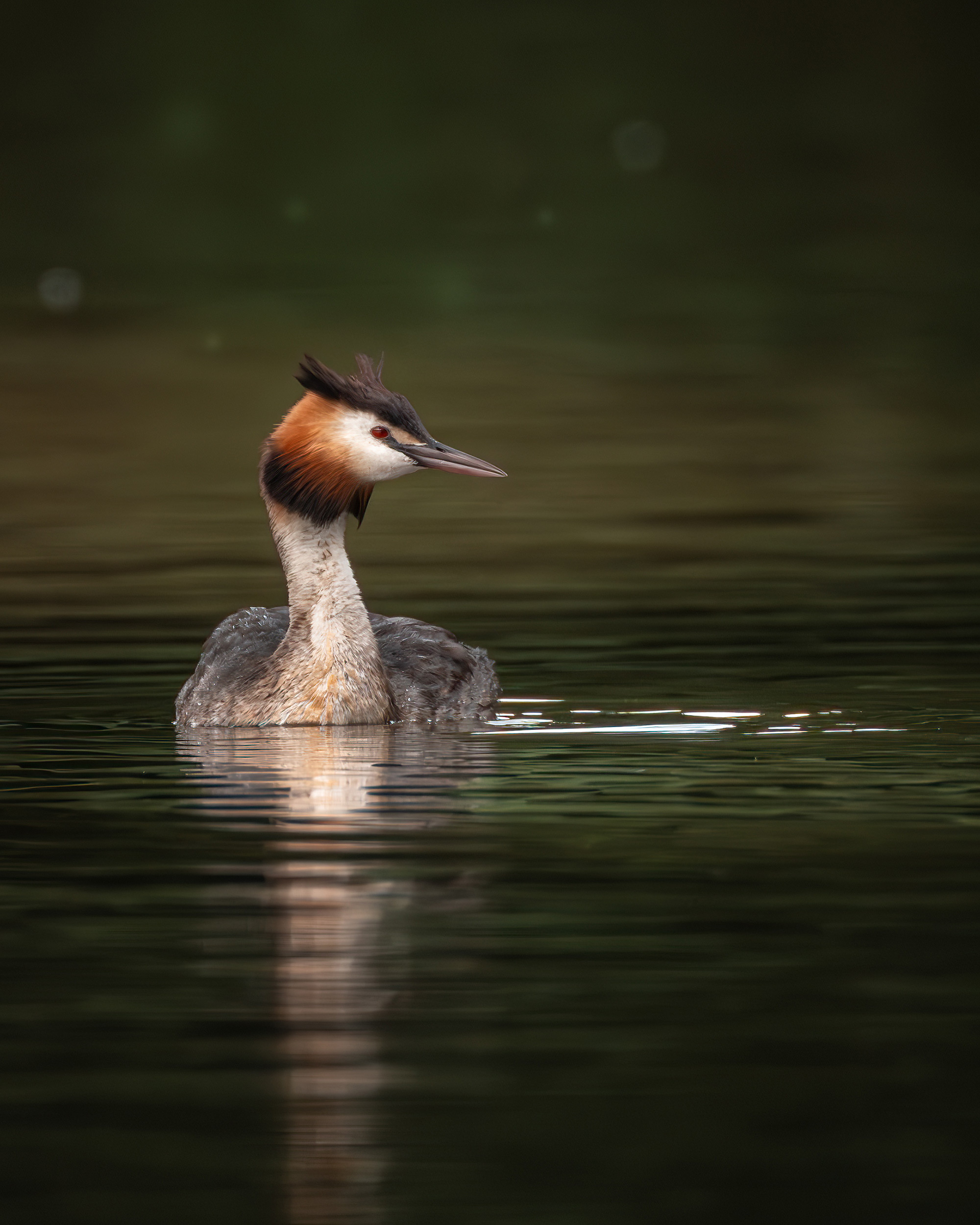 © Paul Browning | Sony α1 II + FE 600mm f/4 GM OSS + 2x teleconverter | 1/1600s @ f/8.0, ISO 1000
Recently, Paul has been shooting with the Sony FE 600mm f/4 GM OSS lens, often combining it with the 2x Teleconverter lens to get an astonishing 1200mm equivalent focal length. “I love the reach of it. I love the fact that it doesn’t disturb the birds, and I can get the shots.”
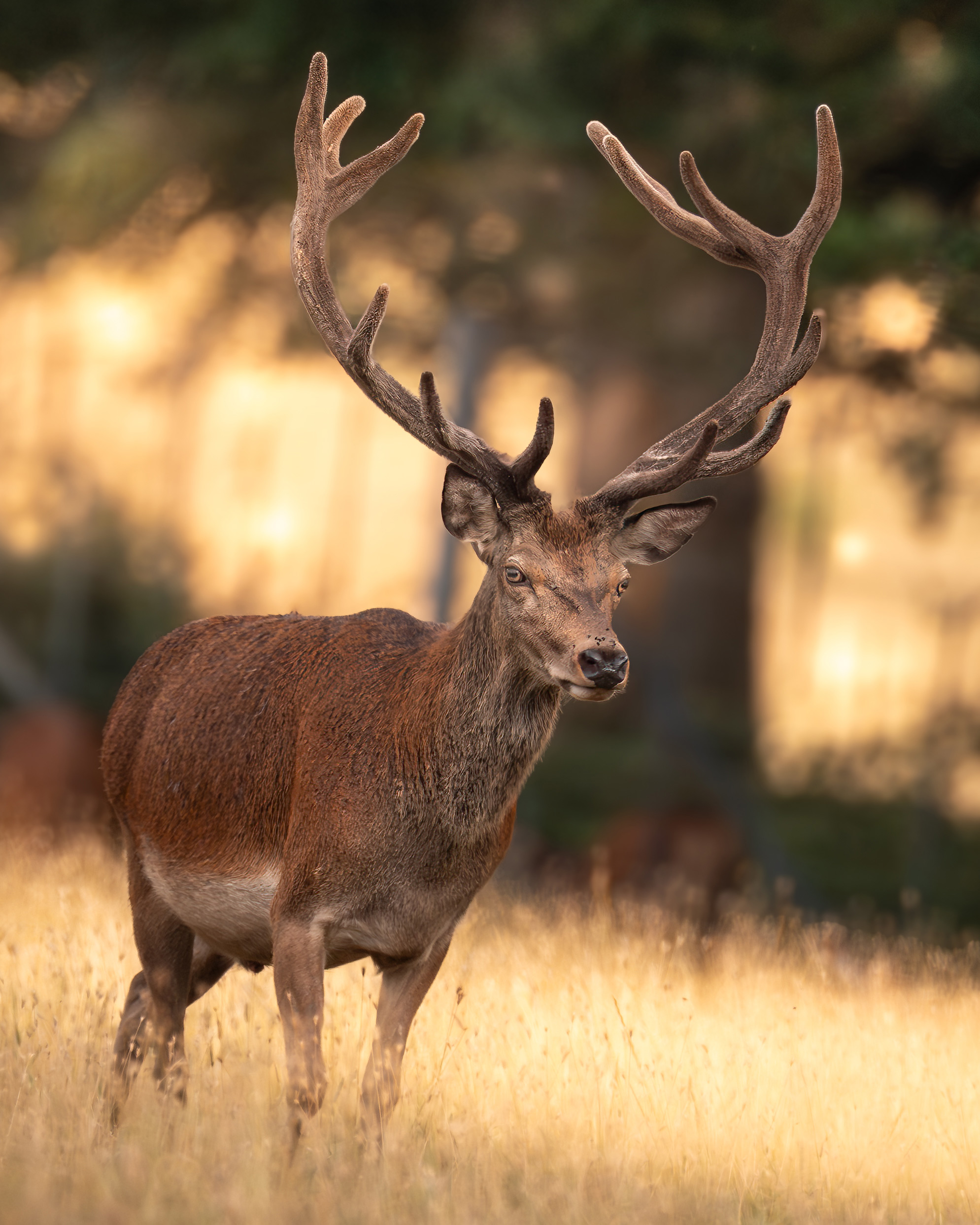 © Paul Browning | Sony α1 II + FE 600mm f/4 GM OSS + 1.4x teleconverter| 1/1250s @ f/5.6, ISO 500
Not disturbing his subject is something that Paul always has front of mind. Subjects and shots are planned days, weeks, even whole seasons in advance. There are late-night drives to capture the first flights of the day, hides placed in advance so that wildlife can get used to them in position, and planning his calendar a year ahead so that he can revisit pairs of birds in locations. But planning and preparation don’t guarantee he’ll get the shots he wants.
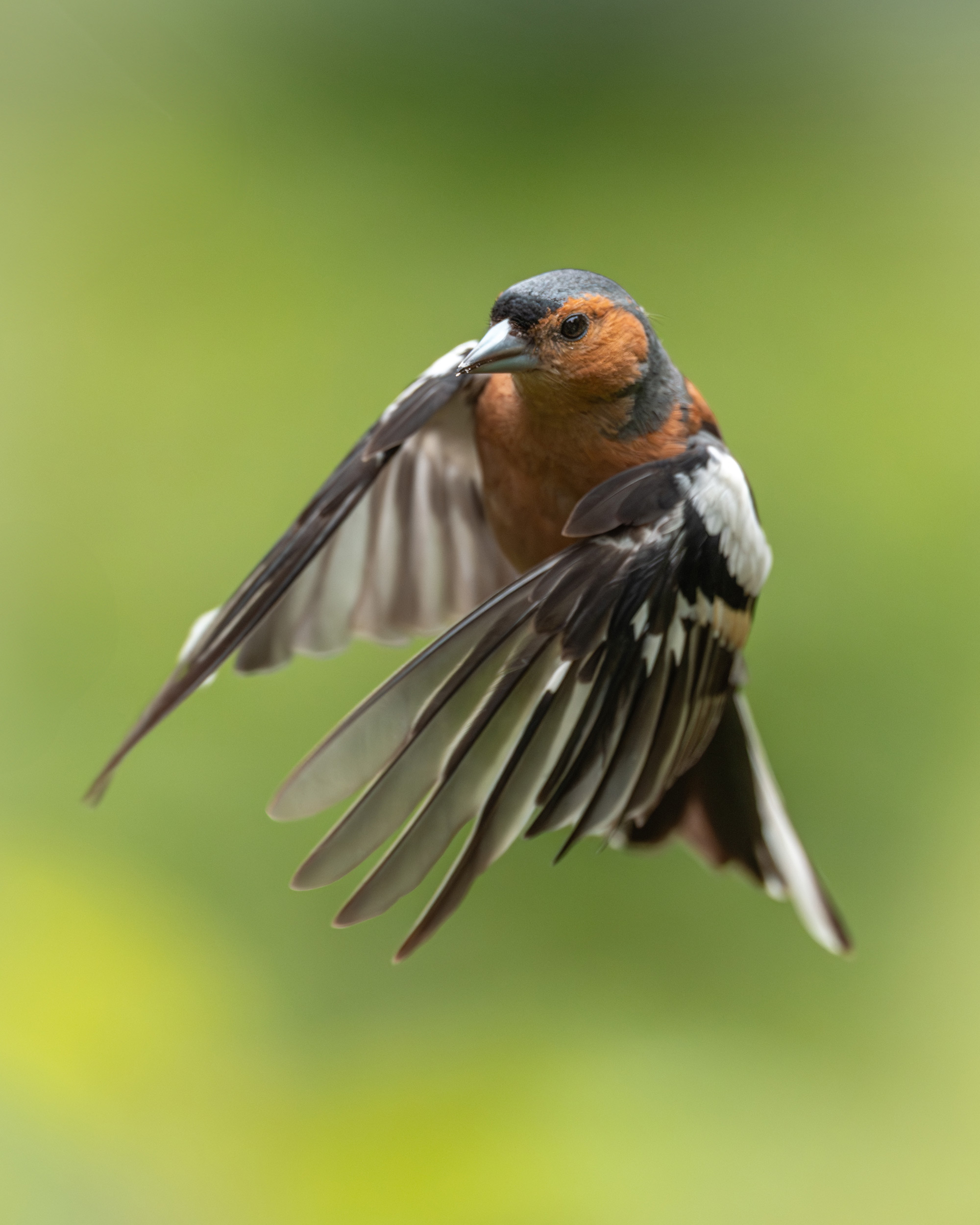 © Paul Browning | Sony α1 II + FE 600mm f/4 GM OSS | 1/4000s @ f/4.5, ISO 800
“I used to laugh at my friends who go fishing,” he smiles. “I’d say ‘you just sit there all day, by the river. Sometimes you don’t even catch anything! Aren’t you bored?’ And here I am now doing the same thing.”
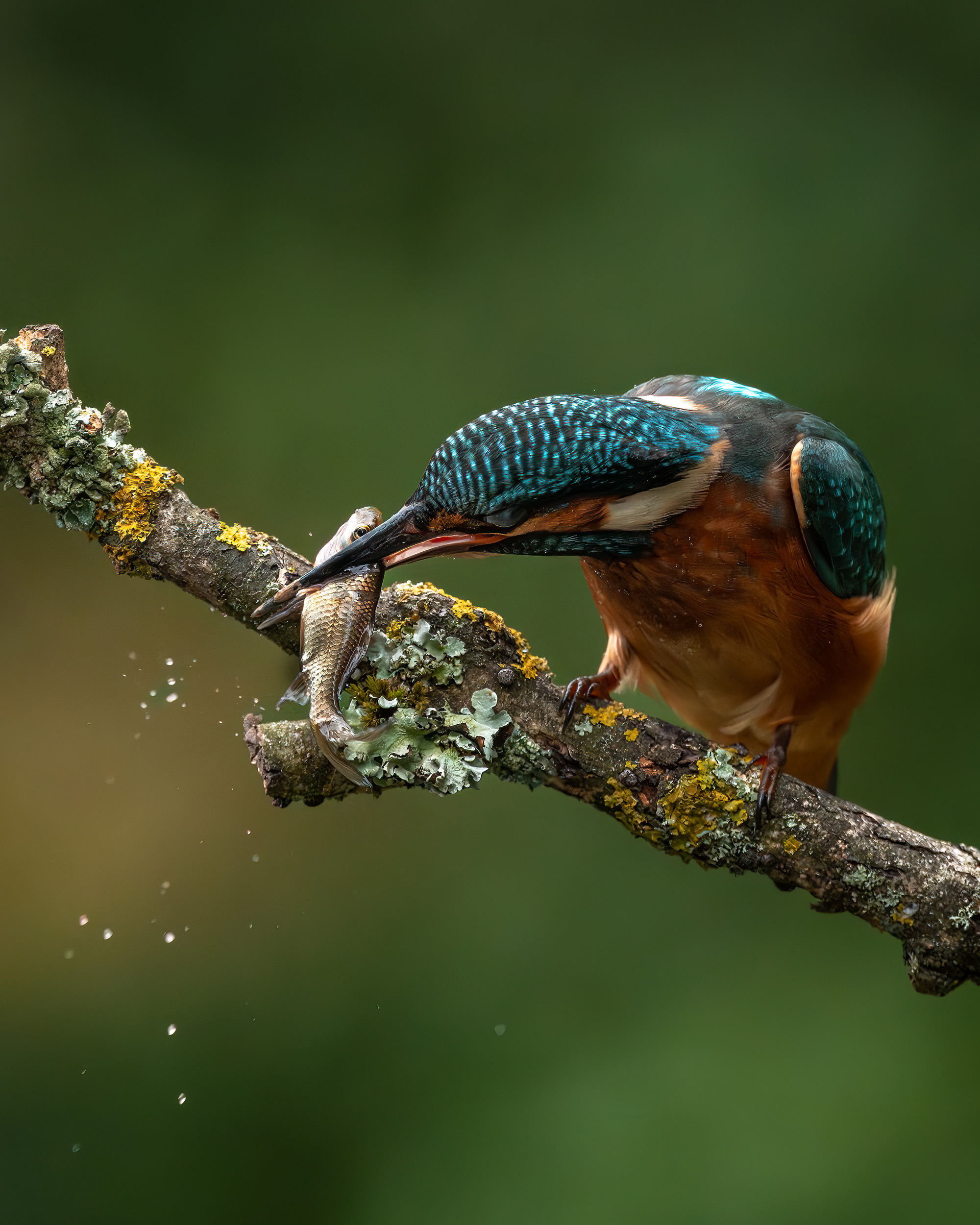 © Paul Browning | Sony α1 II + FE 600mm f/4 GM OSS | 1/3200s @ f/4.5, ISO 1600
Now, lakes and riverbanks are like a second home to Paul, who now knows how to spot if a bird has recently visited. “I look for the branches with fish scales on,” he reveals. “It means that a kingfisher has been there slapping the fish on the branch. Then, if the river is flowing nicely, I will set up my hide. I’ll just leave it there for a couple of days and then go and sit in it. Sometimes I will sit there all day and see nothing.”
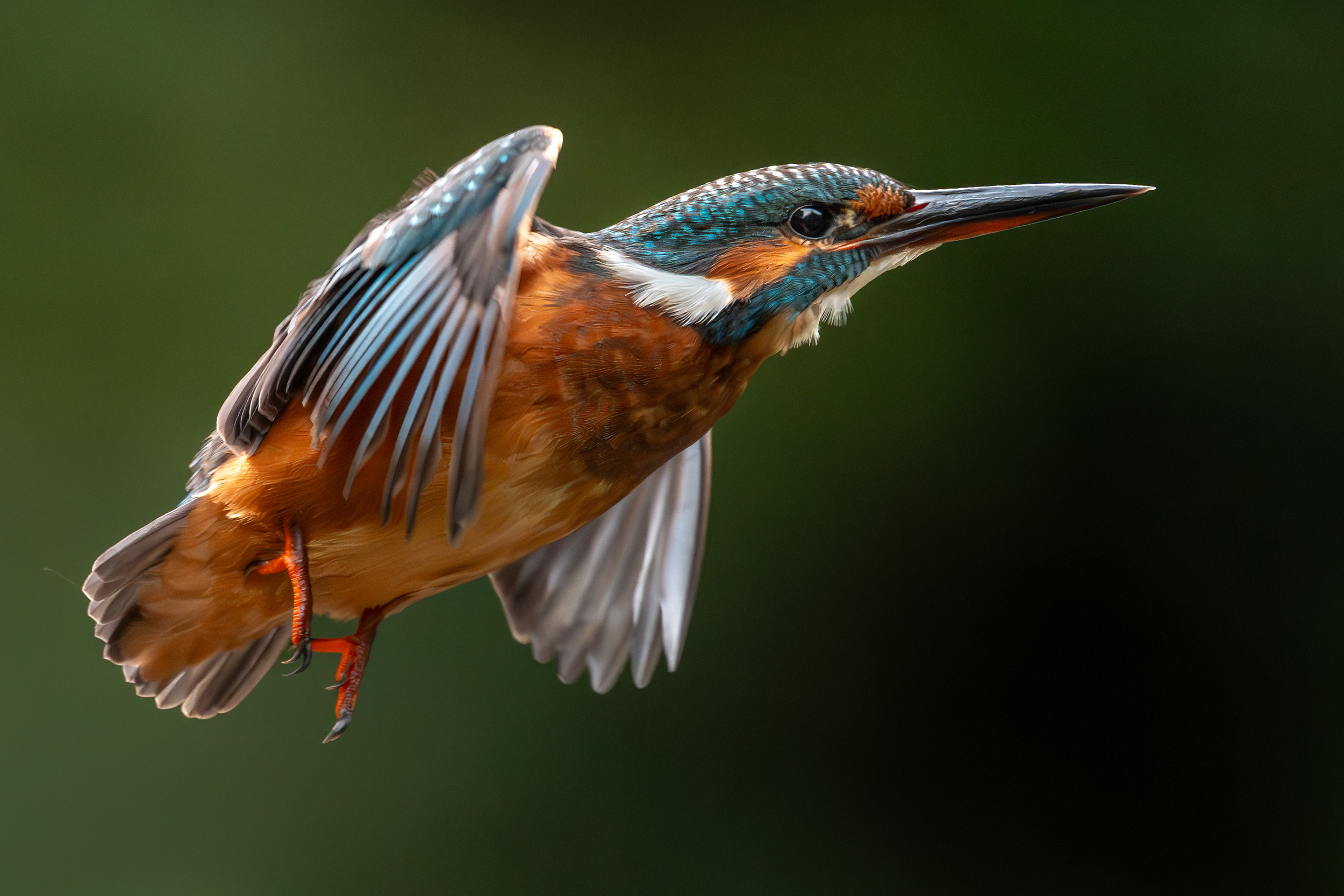 © Paul Browning | Sony α1 II + FE 600mm f/4 GM OSS | 1/4000s @ f/4.0, ISO 3200
But patience always pays off, and Paul has taken some incredible kingfisher shots with the FE 600mm f/4 GM lens mounted on his Sony Alpha 1 II. “The sharpness of the lens is unparalleled - I can’t believe it. And with the teleconverter and the camera, I have a 51-megapixel image at 1200mm; I can crop in tight and still have a very high-resolution image. And the focusing is amazing; even when shooting a bird at around 300m away across a lake, the Bird Eye AF works perfectly.”
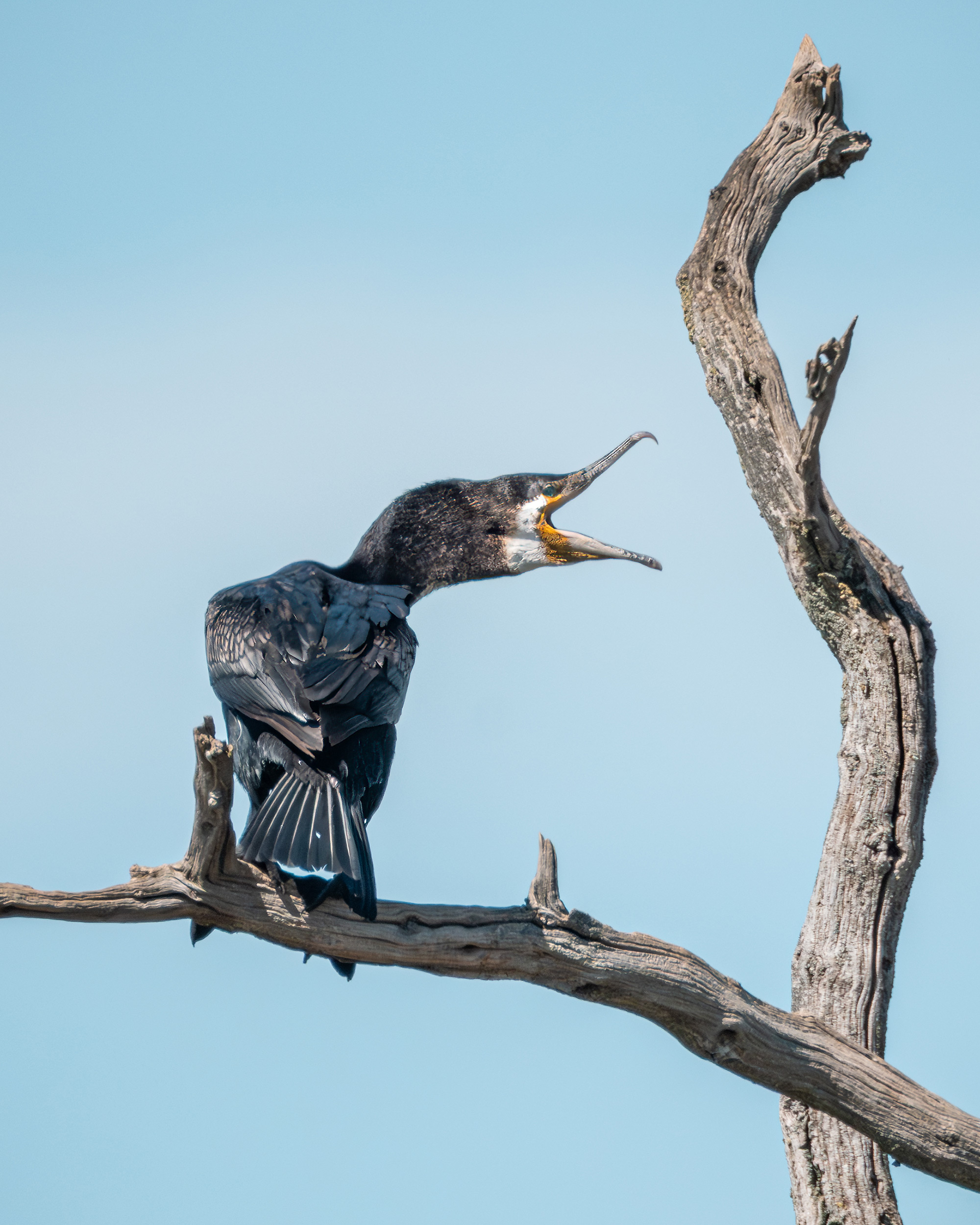 © Paul Browning | Sony α1 II + FE 600mm f/4 GM OSS + 2x teleconverter | 1/5000s @ f/8.0, ISO 1000
In the past, teleconverters have had a bad reputation for reducing image quality, but that is not the case with the 600mm lens and 2x Teleconverter. “There is no difference in sharpness between 600mm and 1200mm - at least not to my eyes,” Paul says. Recently, he was photographing ospreys nesting around 350-400m away from him. “It was 2pm, and the afternoon sun was causing heat haze to rise from the lake. I put the 2x Teleconverter on the 600mm, and when I cropped the image on my computer, I could still read the leg tag on the osprey perfectly. It just blew my mind.”
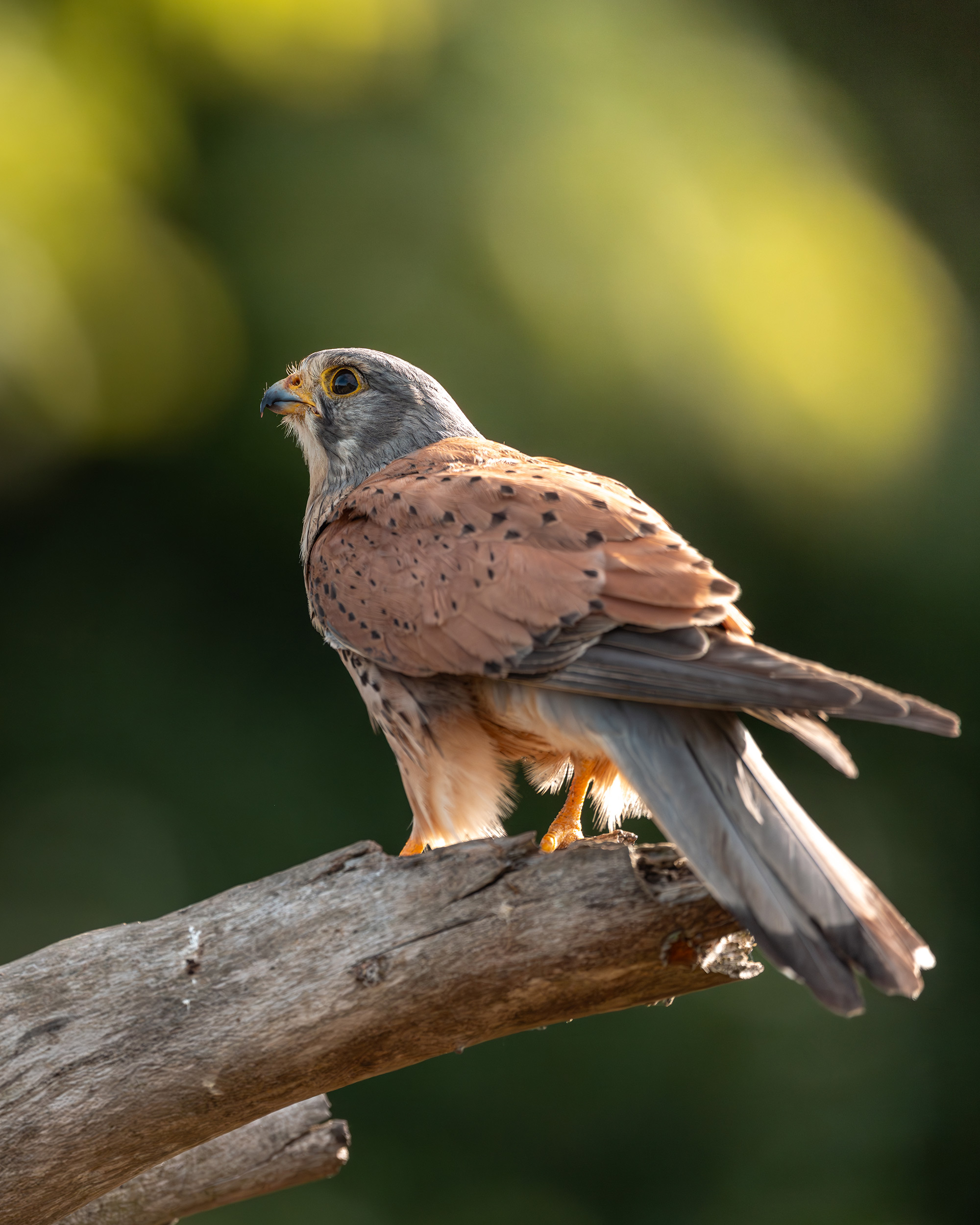 © Paul Browning | Sony α1 II + FE 600mm f/4 GM OSS | 1/4000s @ f/4.0, ISO 400
For Paul, travelling and photographing birds is an adventure. “I’ve just got pins everywhere on my maps app on my phone. If I see a nest, I will mark it and can return later to photograph a specific bird. For me, it's about being on my own and finding something unique.”
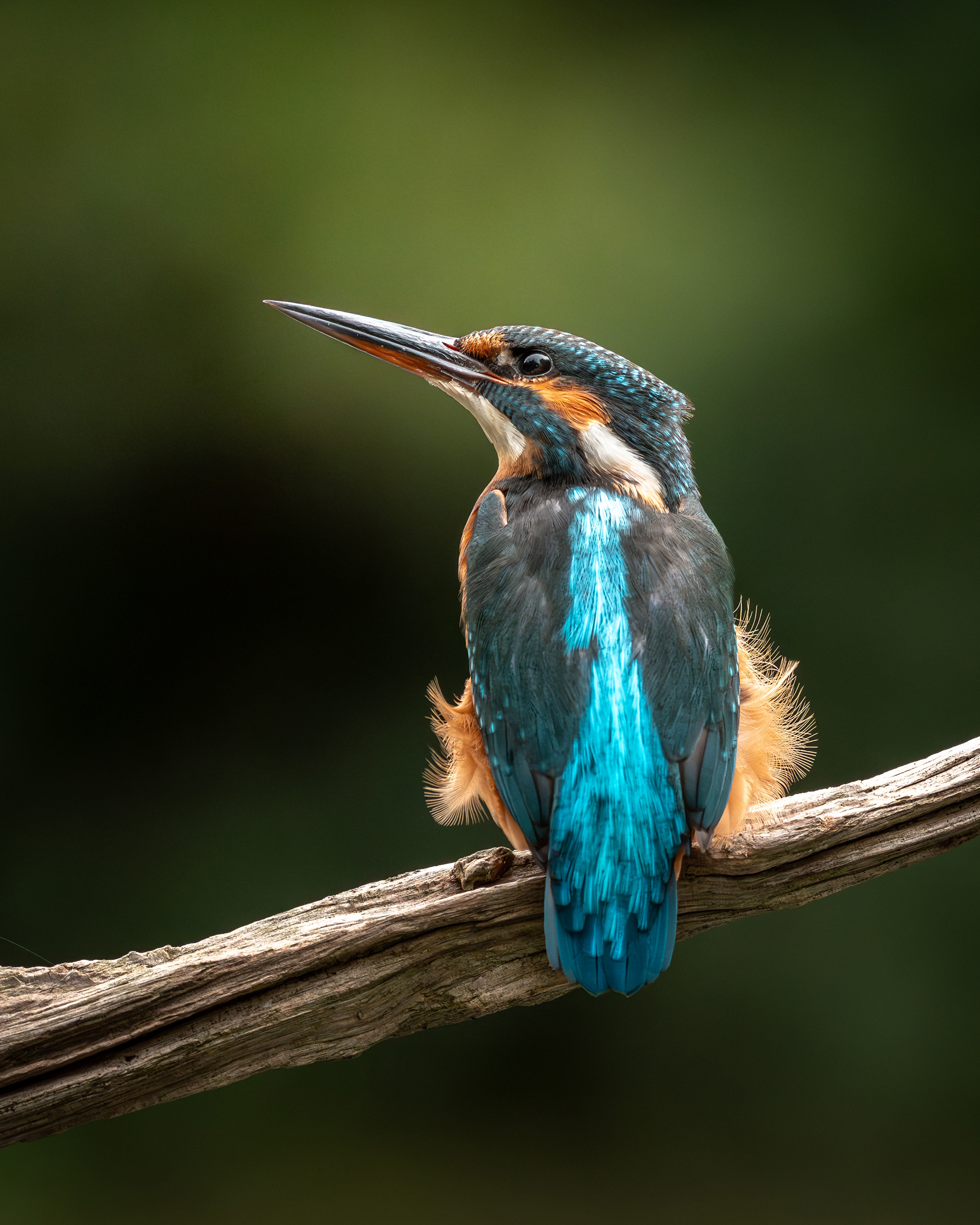 © Paul Browning | Sony α1 II + FE 600mm f/4 GM OSS | 1/3200s @ f/5.0, ISO 2500
With the 600mm lens and his Sony Alpha 1 II, Paul can get the unique shots he wants with details that were previously impossible to capture. “The other week, I was shooting after sunset when I saw a heron deep down in the reeds. I had the maximum f/4 aperture with the 600mm lens, and my shutter speed was at 1/400 sec, leaving my sensitivity at ISO 8000. That would have been a shot I would have simply walked away from just a few years ago, knowing that the quality wouldn’t be there, but now with the 600mm lens and Sony sensor technology, I could bring out every detail of the heron. Just a few years ago, I was terrified of shooting higher than ISO 3000 or 4000.”
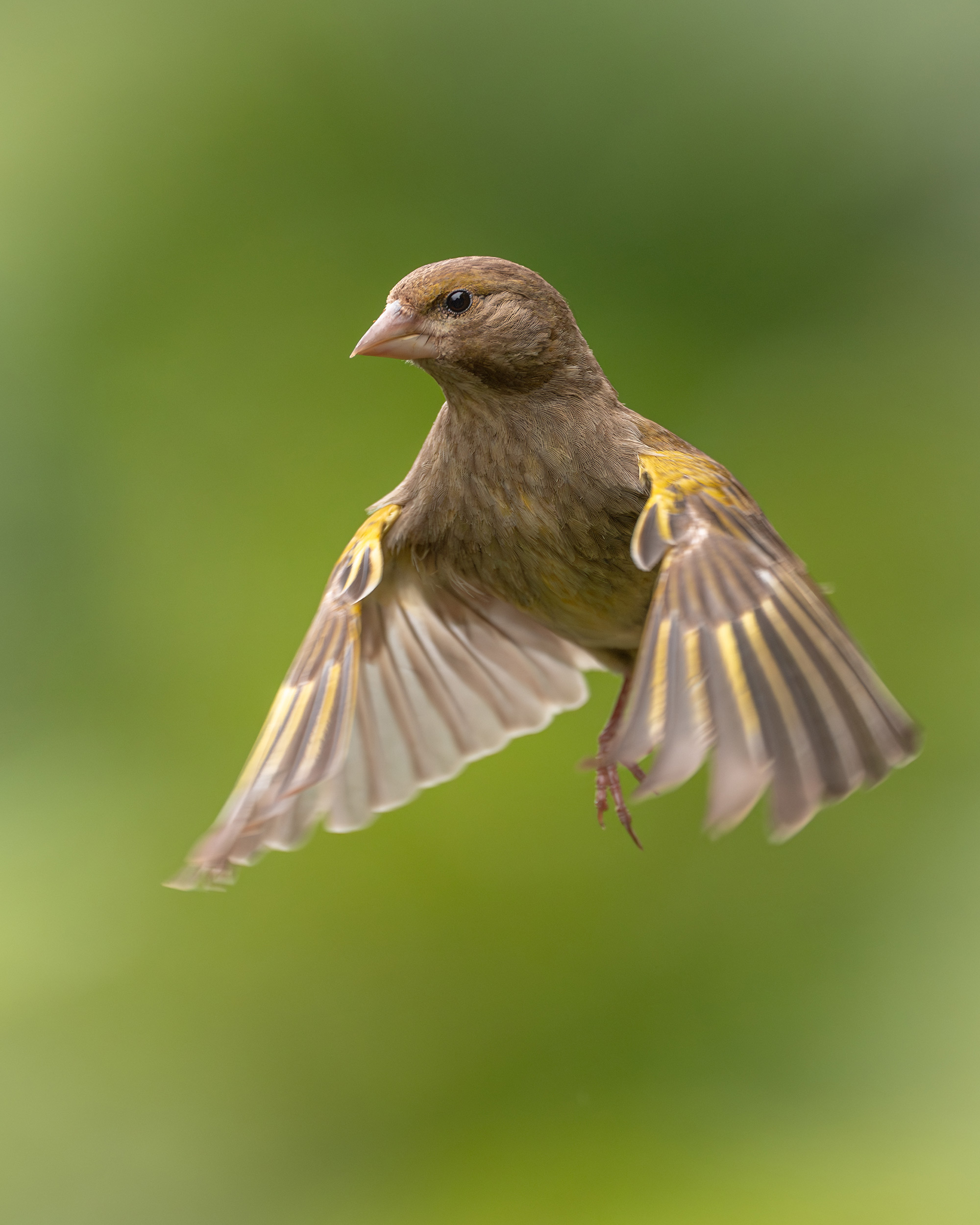 © Paul Browning | Sony α1 II + FE 600mm f/4 GM OSS | 1/2500s @ f/4.0, ISO 500
Paul’s dedication and expert fieldcraft, combined with the power of the FE 600mm f/4 GM, mean that he now shoots without compromise.


