Nature and Nurture
Melissa Schäfer
What does a mother do? Ask one, and they’ll tell you it’s a lot! But near the top of the list are surely the acts of nourishment and nurture. The story of Mother magazine is wrapped up in all of these concepts, while also being a journey of discovery for its creator.
“The magazine is like my little baby,” says Melissa Schäfer, an experienced wildlife photographer, tour leader, writer, and publisher. “It’s about celebrating the works of Mother Earth so that we might feel more inclined to be good custodians, as well as giving a bigger voice to female wildlife photographers.”
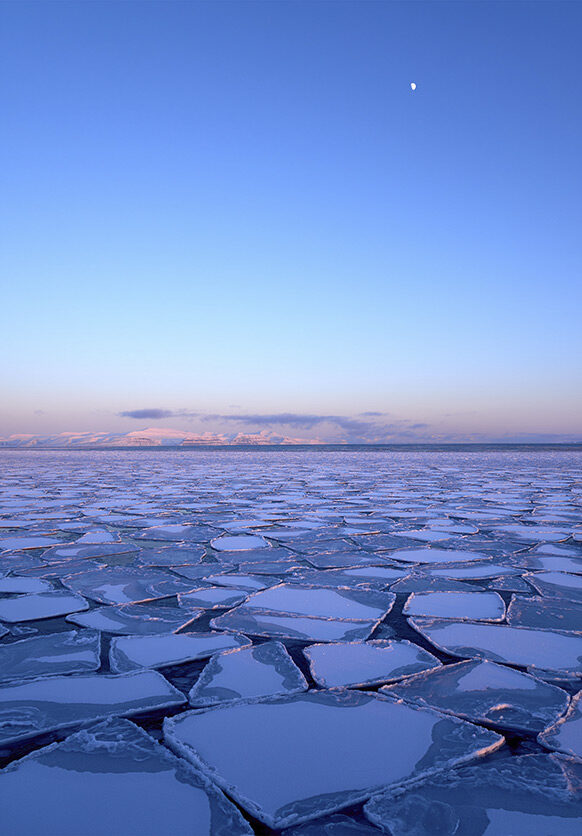
 © Melissa Schäfer | Sony α1 + FE 24-70mm f/2.8 GM | 1/250s @ f/5.0, ISO 100
“Sony’s support has been amazing, and the funding I’ve received from them has been a huge asset. It’s covered print costs, so we can produce physical copies, and reassured photographers I was contacting that it was a serious proposition.”
Now on its third issue, Melissa is keen to define Mother as a new way to honour nature and photography – but also as a way for those artists featured to celebrate their own achievements. “I wanted to try something fresh and give a space to new voices,” she confirms, “particularly to women who wouldn’t usually tell their story, because they don’t think it’s good enough. Instead of putting ourselves down, this is a way of lifting us up.”
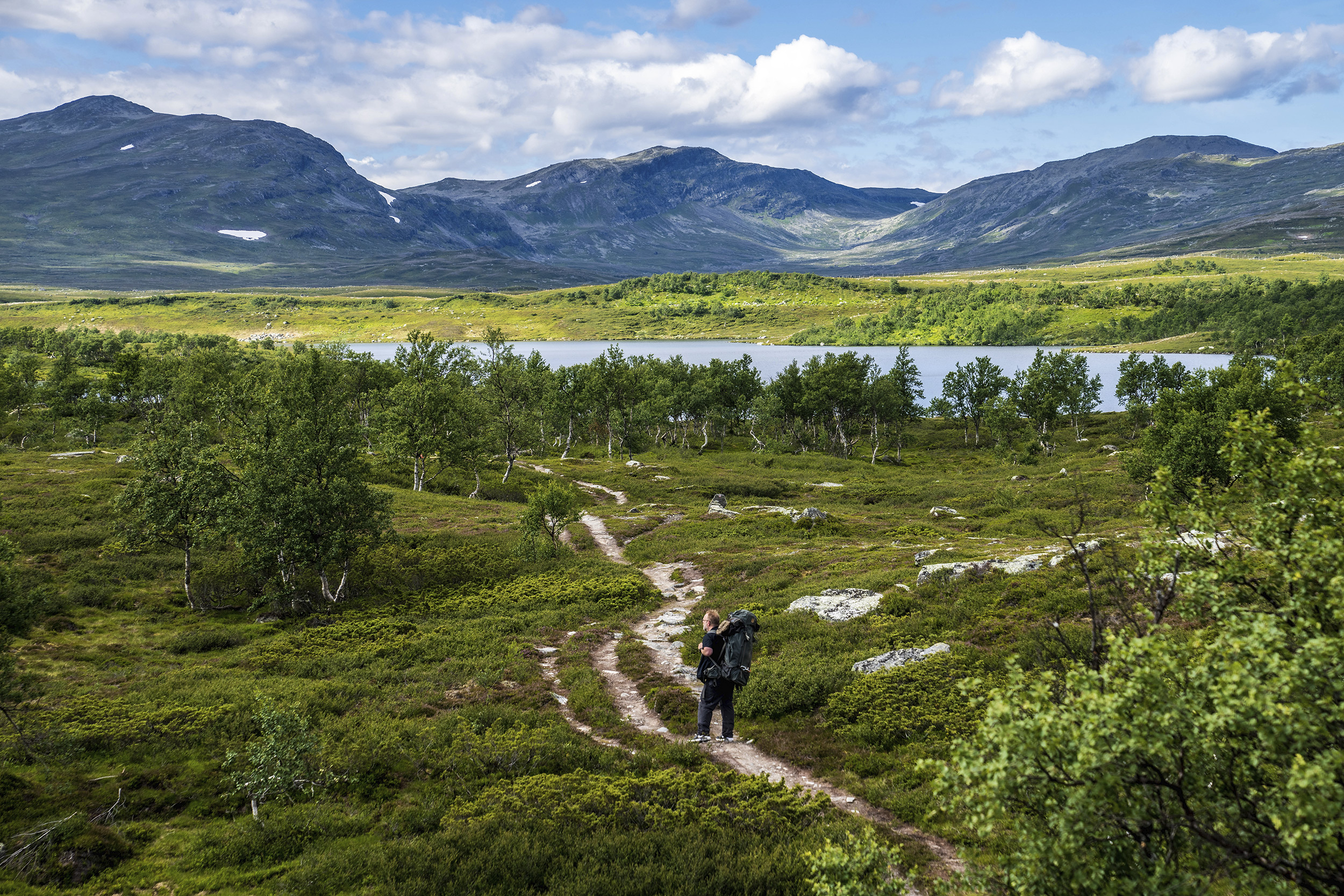
 © Charly Savely | Sony α1 + FE 24mm f/1.4 GM | 1/400s @ f/1.4, ISO 1000
Explaining her journey to how the magazine started, Melissa explains, “I started making self-portraits with my camera. The wildlife photography didn’t start until I moved to Sweden and met my partner, Fredrik Granath. The first year in Sweden, we lived in a forest, making fires and sleeping tents far from the city lights, so I was really thrown in at the deep end.”
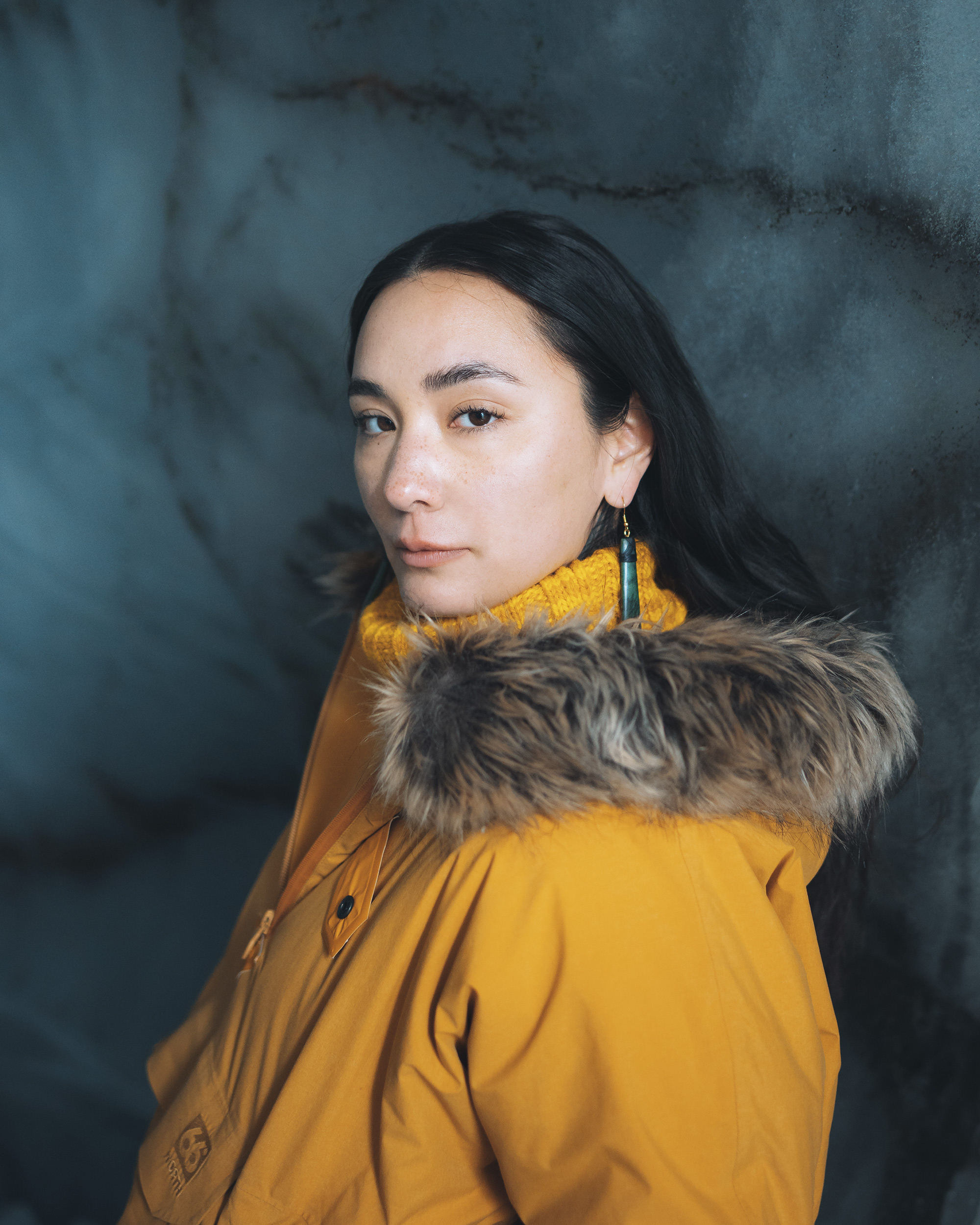
 © Alexandra Surkova | Sony α1 + FE 200-600mm f/5.6-6.3 G OSS | 1/400s @ f/6.3, ISO 100
Moving to Svalbard for a year to lead tours and explore the arctic landscape, Melissa’s wildlife work blossomed and with Fredrik enjoying the production side of their business, she naturally became the pair’s image maker in chief. “I took strands of my portrait work, and combined it with this new subject,” she explains, “so the method was still to tell stories through emotions, but with wildlife instead of people.”
Thrust into this new world, Melissa’s experience began to shape her photographic outlook as well as defining many of the problems faced by women in the field, which led to the creation of Mother magazine. “There can be a lot of pushiness and preconception in wildlife photography, which drowns out some voices,” she explains. “I would be out there on the ice, sleeping in cabins, taking photos of a bear over weeks and months, but when photos were published, everyone would go straight to Fredrik and say, ‘What amazing photos you have!’ Many don’t believe that I’m the photographer.”
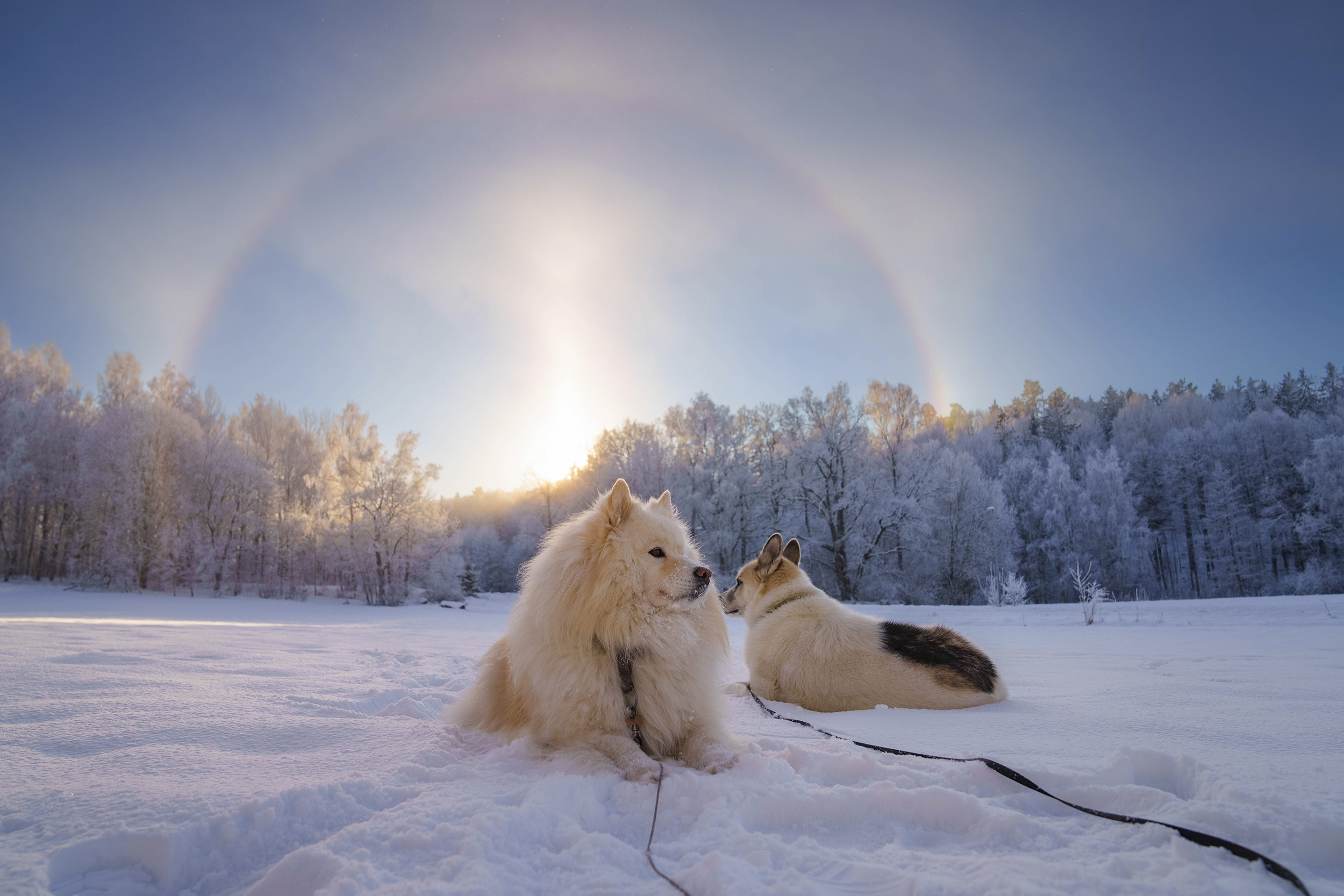 © Melissa Schäfer | Sony α1 + FE 24-70mm f/2.8 GM | 1/640s @ f/5.0, ISO 100
In other situations, Melissa says, her work has been miscredited in publications or online. “I felt for a long time, that’s just how it was, and I was lucky to have Fredrik standing up for my work as a photographer. I learned from that, and as well as the ecological aspects, it was the driving force in making Mother.”
It was important that the writing of the magazine was true to its makers, she says. “The articles vary wildly in subject and tone, but to me it always has to be about the emotion of experiencing nature, rather than how a photo was made. I want to share what these women saw and also what they felt.”
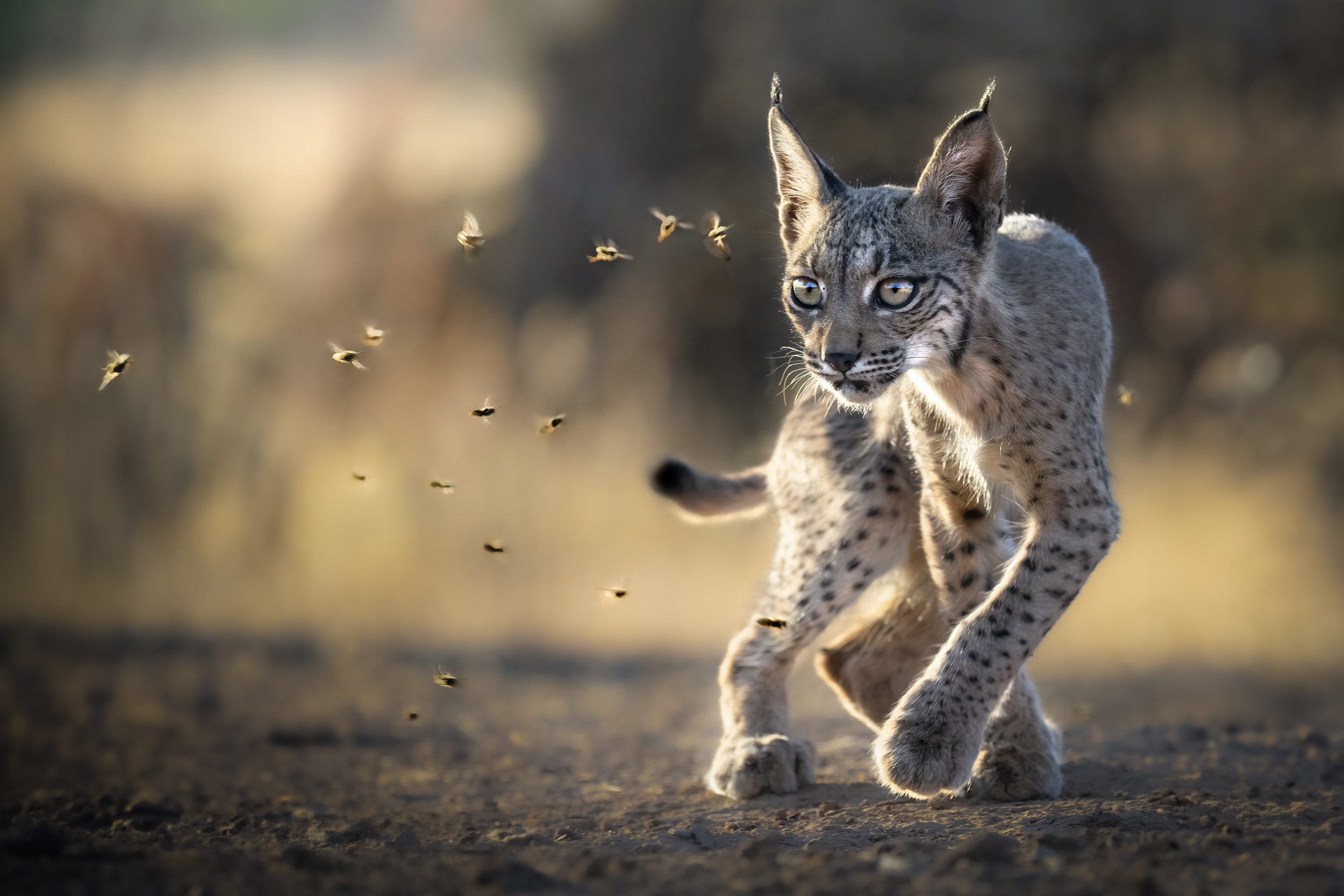
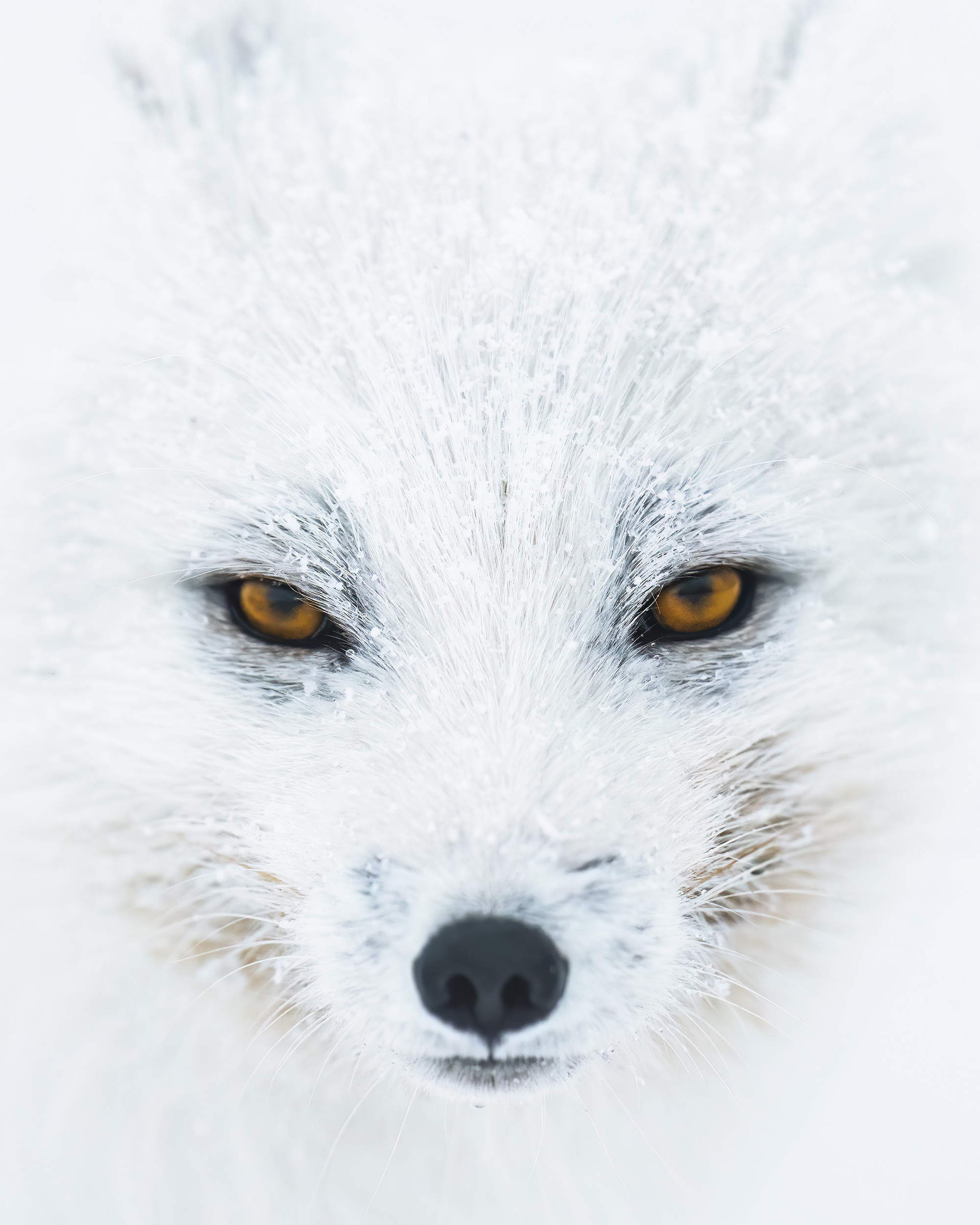 © Charly Savely | Sony α1 + FE 400mm f/2.8 GM OSS | 1/2500s @ f/2.8, ISO 1250
“In Volume Two for instance,” she continues, “there are very different perspectives and storytelling styles, but all of which share the theme of getting closer to nature. We have Hannah Alexander’s incredible Game of Thrones style exploration of queen bees, which has some tones of the traditional naturalist essay in it, while Elizabeth Gadd’s work is about celebrating her connection to nature through self-portraits. For me I’m happiest when we have that broad mix, from human perspective to emotions to conservation. The focus of the magazine should lean more to the positive, so people fall in love with nature, and they want to take care of it.”
 © Hannah Mather | Sony α5000 + E 30mm f/3.5mm Macro | 1/500s @ f/5.6, ISO 400
Making Mother a print and online product was also important to Melissa. “I wanted my contributors to feel a sense of pride when sharing their work. Seeing yourself in print is completely different to a platform like Instagram. It helps you believe that you really are good enough, and while we feature many well-established photographers, others have gone from unknowns to prize winners. On social channels, amazing images that might have taken months to make are scrolled past in a flash, so I wanted to break that act of consumption and give readers and photographers something that they can hold in their hands and connect with.”
Looking forward, Melissa’s sights are still very much set on protecting the natural world through her own photography, for which, her Sony gear has been an inspiration. “I switched [to Sony] after talking to some friends, including Canadian photographer, filmmaker, and marine biologist, Paul Nicklen,” she remembers. “It was clear that Sony was the way to go – it really leads the pack in nature photography.”
She now uses a Sony Alpha 1, “a camera which I think embodies everything Sony has changed about photography, and which is probably more intelligent than me!” Melissa laughs. “It has so many features that I rely on, but the main one is the eye-detection AF. Before I worked with Sony, I struggled a lot with focusing, often getting the nose or ears of a bear sharper than the eyes – but only noticing when I was looking at the pictures in editing. It used to be frustrating! Now, images are sharp on the eyes every time.”
The size and weight of her Sony gear has also been a factor. “As a wildlife photographer, I often have to hold the camera for a long time in very cold conditions, and my arms quickly get tired. But the Alpha 1 is easier to handhold, even with my FE 600 mm f/4 GM OSS, so it’s no problem if I don’t have time to set up a tripod.”
Returning to the less literal weight of producing Mother, “Volume Three marks a change in several ways. With the first two magazines, I commissioned photographers based on my experience and my inquisitiveness. This time, I asked for submissions, so I got some real surprises. I was amazed by the response and I’m still trying to whittle it down which is a new, and very difficult task for me.”
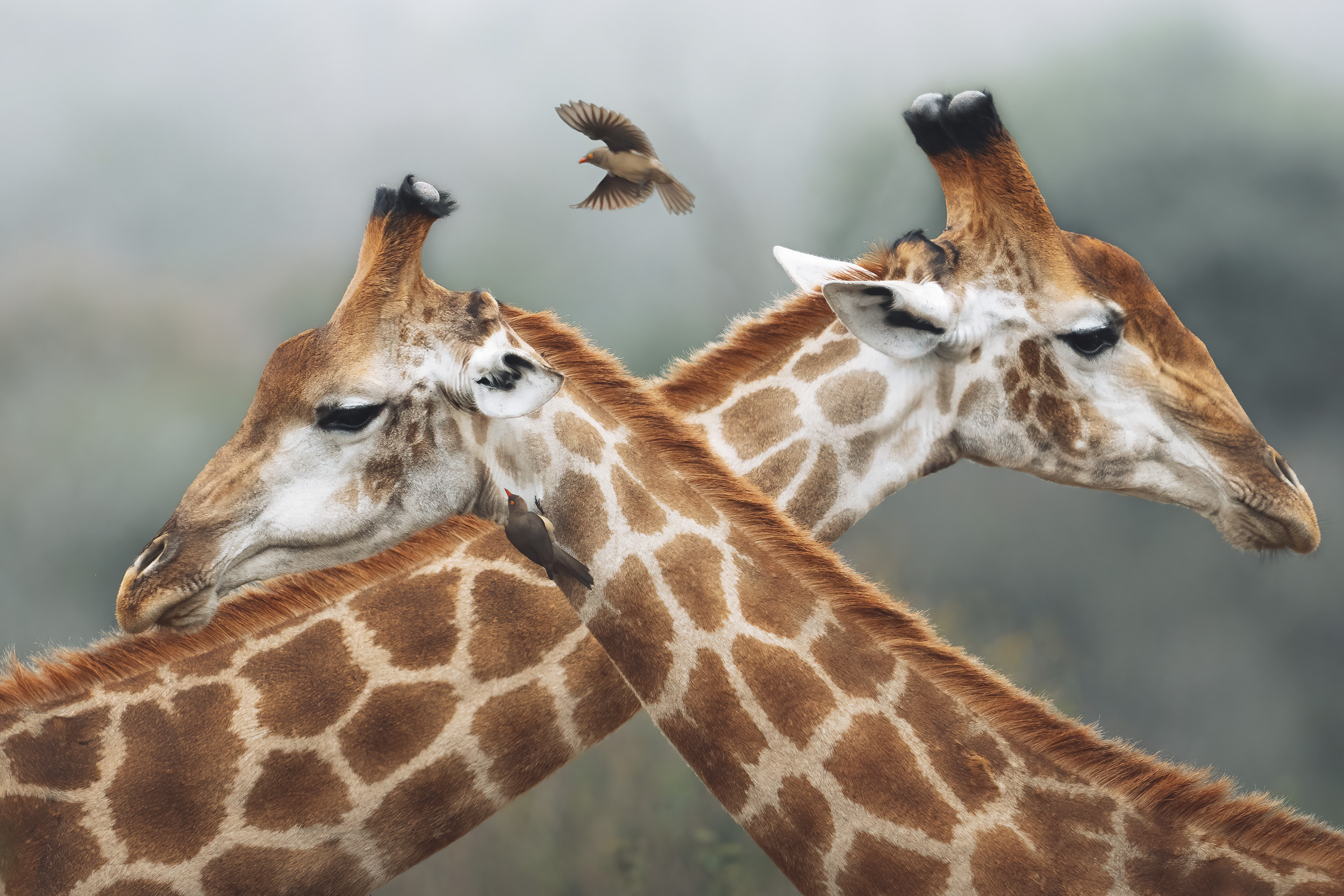 © Charly Savely | Sony α1 + FE 400mm f/2.8 GM OSS | 1/5000s @ f/2.8, ISO 800
Discussing the future of Mother, Melissa says, “As long as there’s excitement about the magazine and women who want to share their stories, I’ll keep making Mother. Just like my wildlife photography, when I started, it was a step into the unknown. I thought we’d just sell a few copies in Sweden, but it’s gone way beyond that,” she laughs. “Volume Two went to 52 countries!”
“Most of all though,” she says, “making Mother has taught me the importance of asking others for help. That includes Sony and all the photographers who played a part. I did a lot of things alone before, but just the feeling of how strong you get when you come together is insane. Photography can sometimes feel competitive, but as a community, we can all lift each other, too. In that way, hopefully everyone who supports Mother can also help the natural world.”
You can read all the issues of Mother magazine at https://www.themotherbear.com/mother.