
Quest for the Sublime
Shooting with the new ZV-E10 II
We are Giorgio and Martina, and we are travel content creators. We are based in Italy, but we travel all around the world, working with tourism boards and tour operators, trying to capture the unique beauty of every place. Since we are always on the move, we like a light and versatile equipment, capable of capturing high quality photos and videos in many different conditions.
We mostly take with us our Alpha 7 IV and our ZV-E1, so when Sony gave us the new ZV-E10 II to try, we took it as a challenge since we are used to full-frame cameras. However, we have to admit we were pleasantly surprised by the quality of the images and the features that make our job easier.
To test this new camera, we went to Lanzarote. We wanted a location that could evoke the ideal of sublime beauty from the Romantic era: landscapes and conditions that are not idyllic, but imposing and hostile, capable of inspiring reverential admiration and showcasing the splendid power of nature. We chose this theme precisely because of the characteristics of the ZV-E10 II, which made us think it could be suitable for many situations, even potentially difficult ones. The light weight was ideal for not making the backpack too heavy during hikes, and the compactness combined with the ergonomics of the grip – which we found improved not only compared to the ZV-E10 but even to the ZV-E1 – made it comfortable to hold for long periods, even in more precarious situations, like when we climbed the rocks to reach natural pools. We wanted to try the Active mode stabilization while driving on dirt roads and, unintentionally, we also tested it with the salt and sand carried by the strong wind blowing on the island – cleaning it every evening, we had no problems!
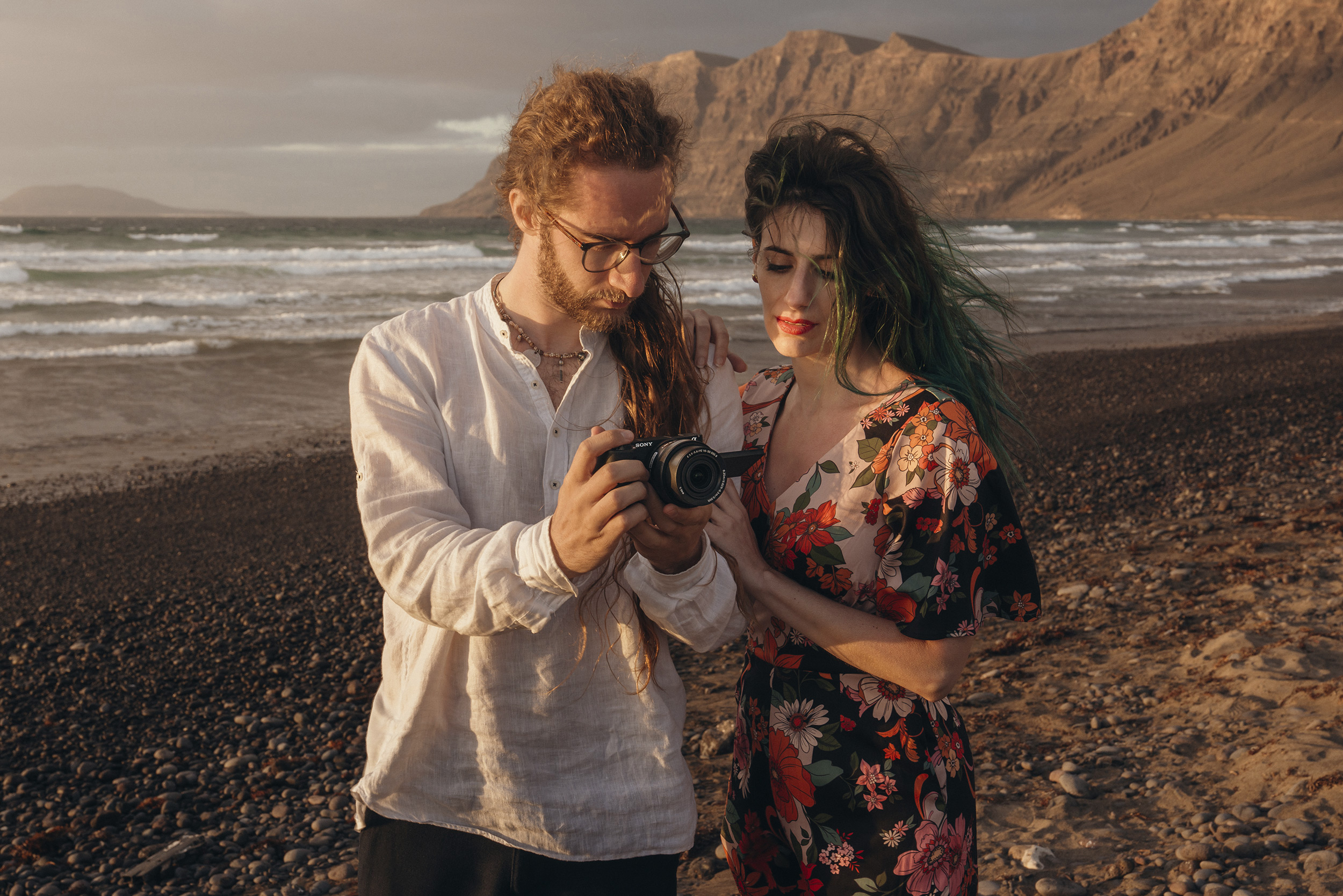
It’s really incredible how such a small camera is capable of delivering great output such as 4K 60p videos and 26MP photos. And it’s only the beginning. Something that we really wanted to try was the stabilisation. Often, we travel without gimbals and do most of the shooting handheld. While the ZV-E1 has two levels of in-camera stabilization – Active and Dynamic Active – the ZV-E10 II only has the Active mode. However, although it does not reach the level of stabilisation of Dynamic Active, it seems to us that the Active mode on the ZV-E10 II is even more effective than the Active mode on the ZV-E1.

The flip-out screen is something we are now accustomed to, very useful not only for vlog selfies but especially for taking photos and videos from unusual angles. The addition of the vertical format UI that supports touch icon layout for vertical composition when rotating the camera is not game-changing but certainly a pleasant convenience, especially for those who want to create a lot of vertical contents.
In addition to the conveniences during recording, there are some features specifically designed to speed up the workflow during editing. The ones we found most interesting are the S&Q (Slow & Quick) and the Cinematic Vlog.
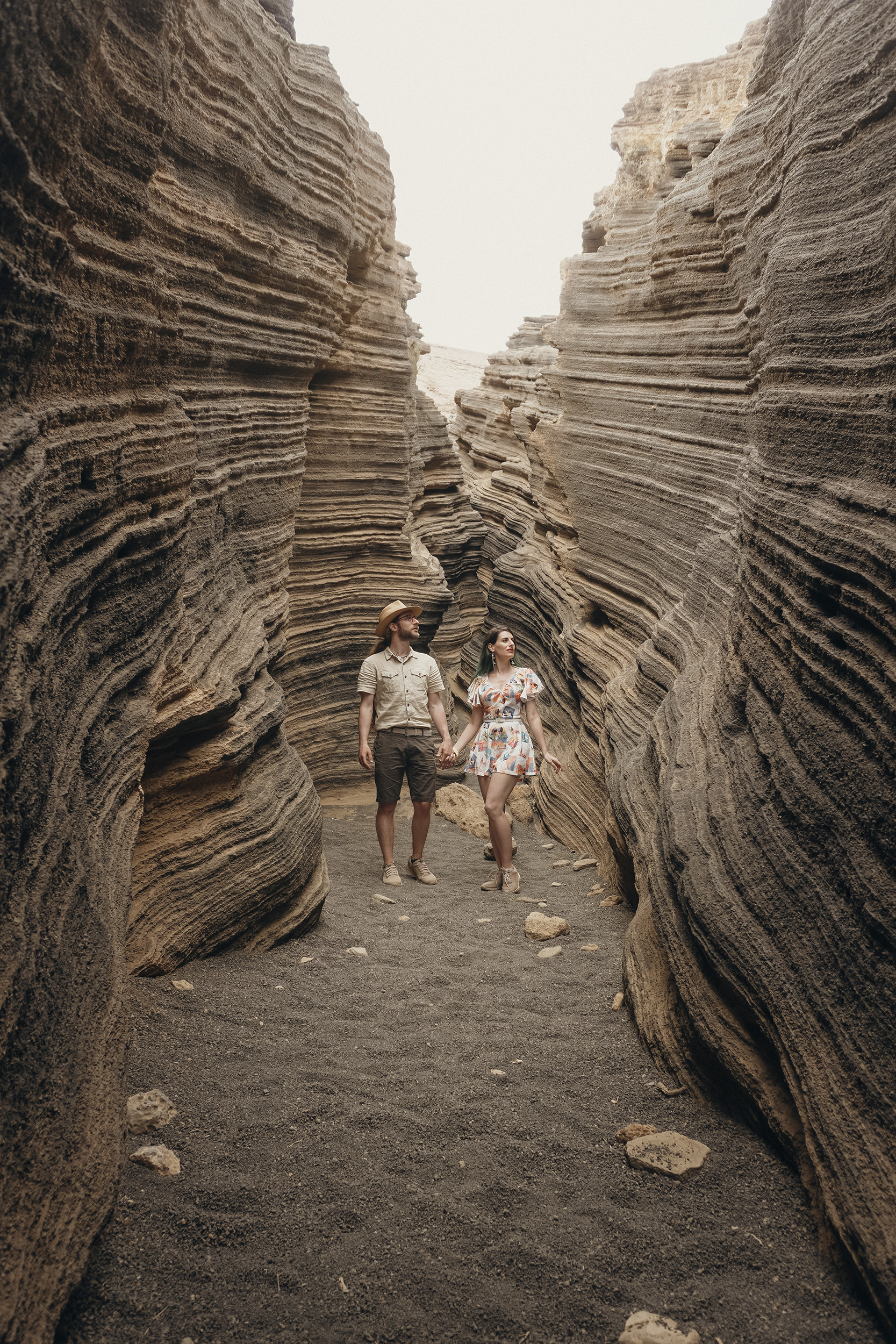 © Giorgio & Martina | Sony ZV-E10 II + E PZ 16-50mm f/3.5-5.6 OSS II | 1/250s @ f/4.0, ISO 125
The Cinematic Vlog function combines 5 looks and 4 moods, offering in-camera image customization that usually is achieved only during colour correction. We will not give up on the colour correction phase, but this function is very useful both for having a base look and in cases where there is no time or way to do full post-production.
Using the ZV-E10 II, we were pleased to find some ZV-E1 features we came to love, but in a smaller and lighter camera. First of all, the 4:2:2 – 10-bit video recording, the fast and precise autofocus, the in-camera stabilisation, the S-Log3 and S-Cinetone looks for professional colour grading and last but not the least the Z battery.
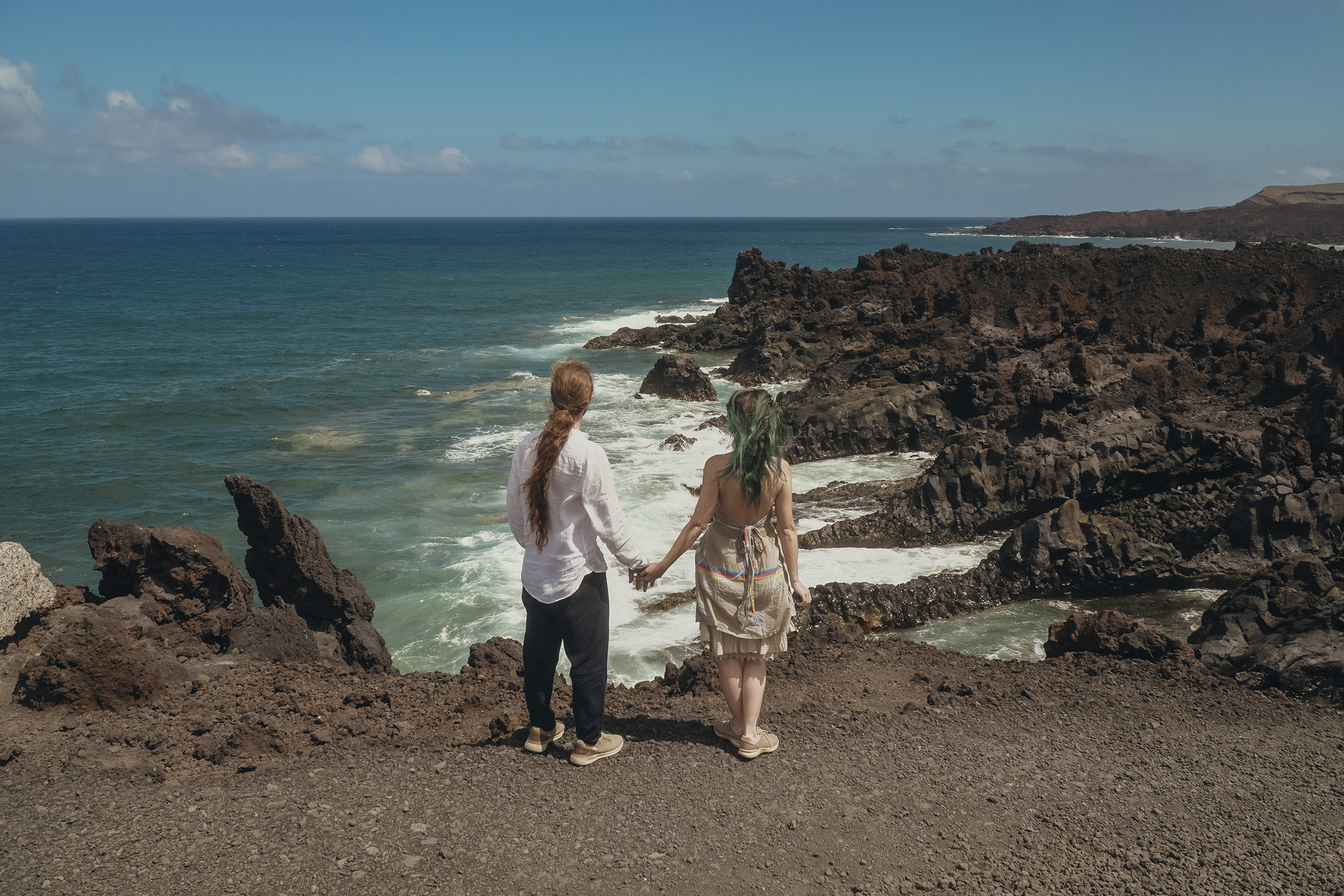 © Giorgio & Martina | Sony ZV-E10 II + E PZ 18-105mm f/4 G OSS | 1/500s @ f/8.0, ISO 125
What we liked most, however, is the combination of quality and versatility of functions with the lightness and compactness of the camera, especially when using APS-C lenses. We primarily used the E PZ 10-20mm f/4 G because we love shooting wide-angle, but also wanted a bit of versatility (the lens we use most with our full-frame cameras is the 16-35mm). We also tried the new E PZ 16-50mm f/3.5-5.6 OSS II in various situations for an even lighter setup, and the E PZ 18-105mm f/4 G OSS, sacrificing lightness but gaining a lot in versatility. The feature that all these lenses share – and that we love – is the Power Zoom. Using the lever on the lens or the camera and setting the right speed, we can achieve a push-in effect to make the shot more dynamic.
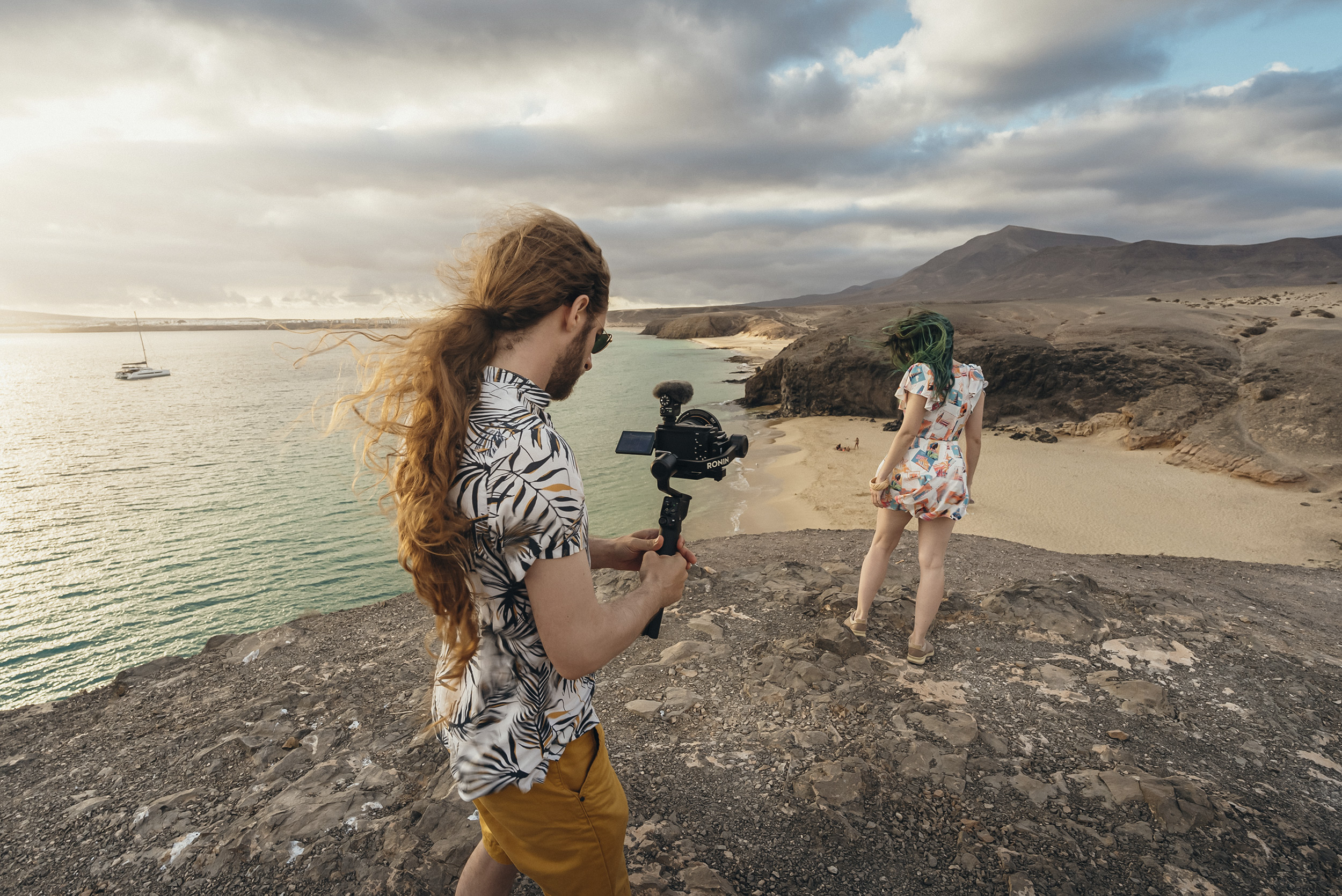
When Sony proposed this project, we didn’t think that this new camera – having an APS-C sensor – would become part of our actual travel gear, but we definitely changed our minds. Not only can it be an excellent second camera, but it can even be the only camera to take on challenging hikes or other situations that require agility, because we saw that the final result is not compromised!
Featured products


Giorgio & Martina | Italy
Giorgio and Martina are travel content creators based in Italy.


