
The Xperia 1 V in Low Light
Albert Dros
It’s been a while since I’ve written an article about a Sony Xperia smartphone, but the time felt right again because of the newly upgraded tech regarding photography. After having used many Sony smartphones, since the Xperia 1 and the PRO-I I felt like Sony’s had got it ‘right’ in the photography department. The smartphones are taking great photos and I’ve shot my fair share with the Xperia phones.

In my opinion, smartphone cameras have never been great in low light; not bad, but not great either. Low light is always difficult for smartphones, as the sensors are very small, and that makes them rely much more on AI technologies to stack images, clean them up and come up with a nice result.
The Xperia 1 V has a ‘new generation Exmor T’ sensor - the world's first stacked CMOS sensor with 2-layer transistor pixel technology - which is designed to improve the low-light performance.
Specifications
The Xperia 1 V has a multi-aspect 1/1.35" imager with 52MP resolution (48MP effective), 1.12µm pixels, and it sits behind stabilised (OIS) 24mm f/1.9 lens. Note that the output is 12MP files. That’s a lot of numbers, but the sensor is basically almost 2 times bigger than the Xperia 1 IV with new technologies included, meaning it can collect much more light and be less noisy at higher ISO settings.
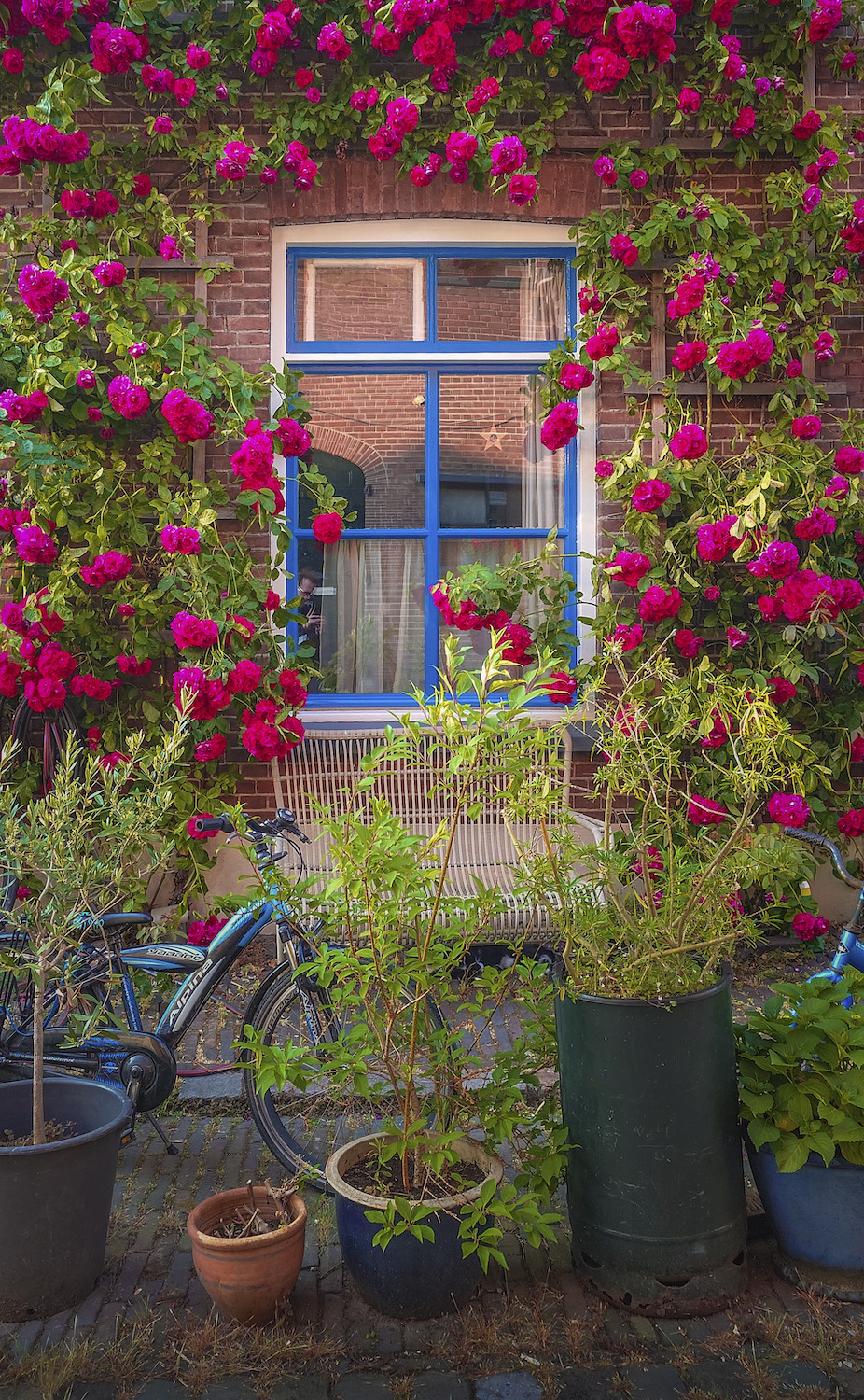 © Albert Dros | Sony Xperia 1 V Wide Camera 6.1mm | 1/50s @ f/1.9, ISO 64
It’s important to note that this only works when using the primary 24mm equivalent (the middle one) camera. However (spoiler alert) I found that the other lenses with in particular the wide lens also performed rather well with the phone’s AI technology to take photos at night. So yes, the phone has 3 lenses: The standard 24mm f/1.9 lens (with the new sensor), the 16mm f/2.2 wide angle lens and the 85-125mm zoom lens. To summarise: ONLY the main lens has all this new low light tech.
In the Field
Obviously I was curious how this would perform. And let me tell you how I usually photograph with a smartphone: I hold it in my hand and press the button! This may sound like a joke, but this is how most people take photos with their smartphone. They quickly take it out of their pocket and photograph with it. Now keep in mind that the Xperia 1 V is really a PRO smartphone, meaning it has a lot of functionality that my Sony Alpha cameras also have and it’s aimed at both normal users and professionals that want all the functionality to get the best results. I can completely set it up manually, dial in all the settings, and use it on a tripod to possibly get the best image quality.
I say ‘possibly’, because in reality I almost never use my phone like that. I use my Sony Alpha cameras in this way, but with my smartphone I usually just want to take a photo quickly.
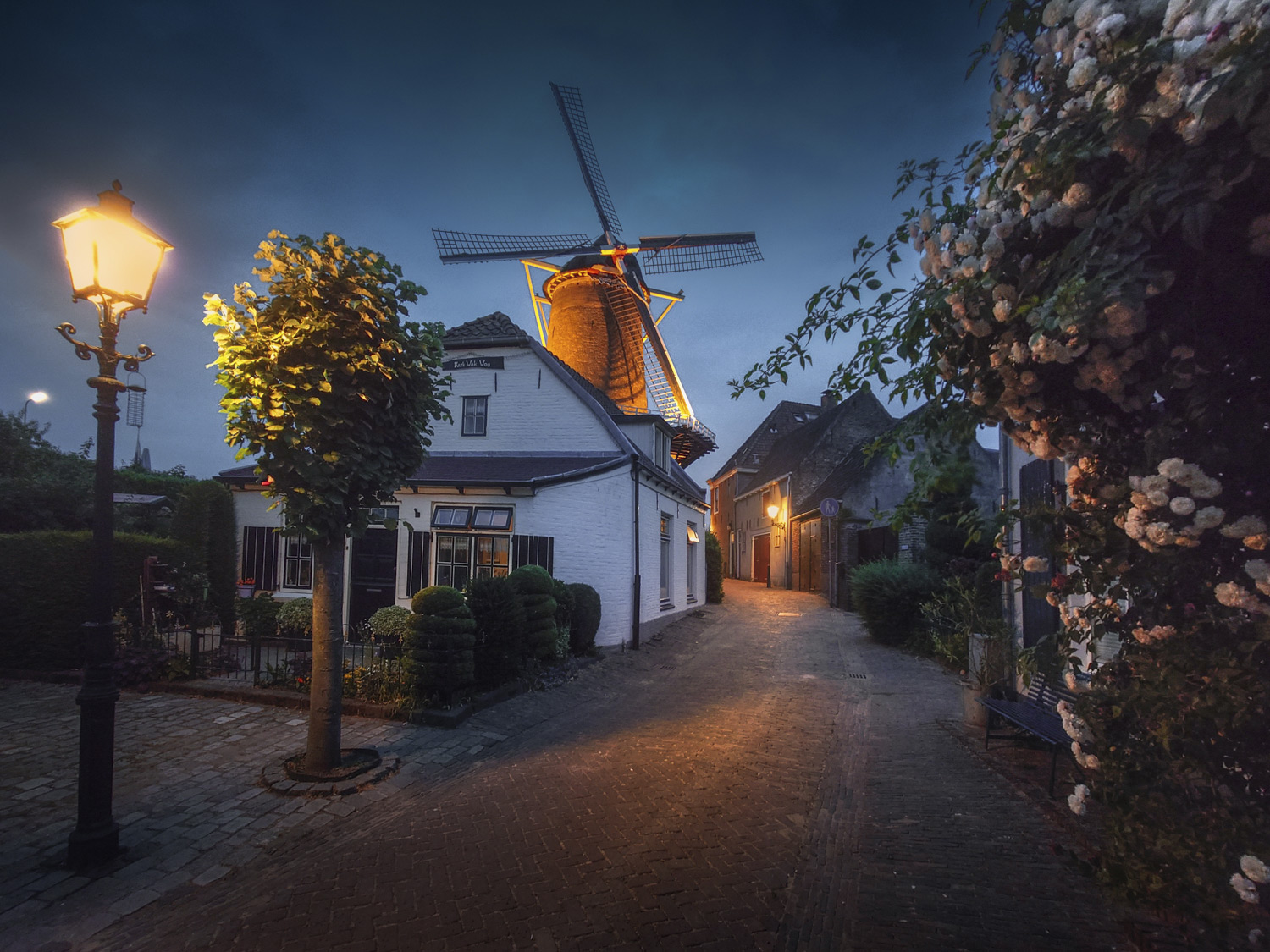 © Albert Dros | Sony Xperia 1 V Ultrawide Camera 2.7mm | 1/15s @ f/2.2, ISO 1250
So even though the Xperia 1 V offers all of these pro functionalities, I treated this phone how most people will use them for photography: simply use it in basic mode. Yes, the phone has RAW functionality, and even though I always shoot RAW on my Alpha cameras, I generally don’t on smartphones, and the reason is simple: The difference between editing flexibility compared to the JPGs is really minimal because of the super small sensors. The dynamic range collection in the RAW files is simply not so much different than what you can do with the JPG. And also, I simply like how the JPG files look straight of the Xperia! That’s actually the main reason. The Xperia 1 V does some great image processing to the files and they often come out very nice.
So for testing, I simply went out to some nearby villages and tried it out. No complicated functions or manual settings, just walking the streets taking photos.
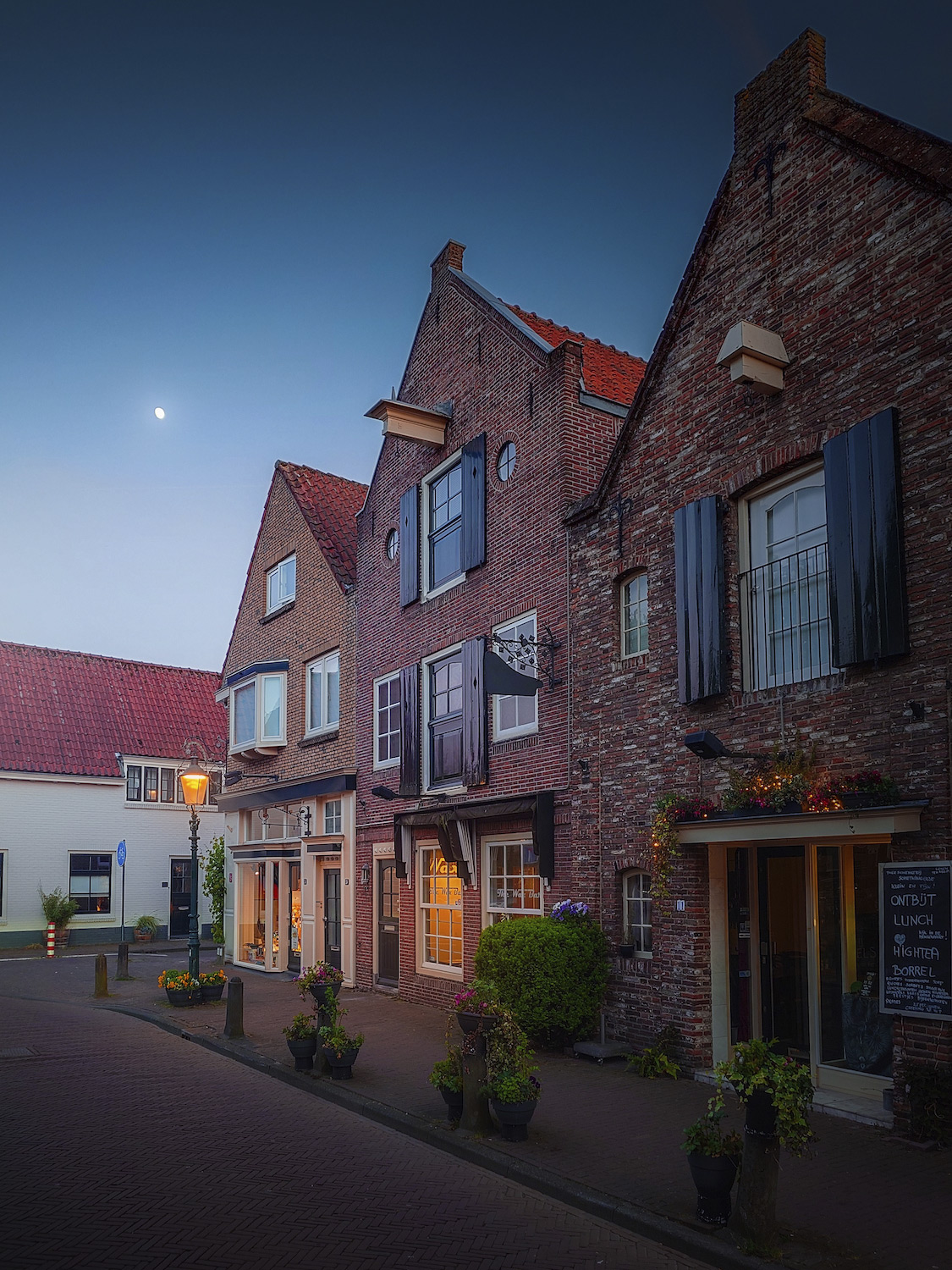 © Albert Dros | Sony Xperia 1 V Wide Camera 6.1mm | 1/30s @ f/1.9, ISO 200
This is one of the first evening shots I took with the phone. It was already getting dark here and the streetlights just turned on. I was pleasantly surprised how balanced the photo turned out. What’s actually nice is that the Xperia actually made the sky slightly darker to enhance that blue hour feel to the image. If we look at the EXIF, it was shot at ISO 200. The base ISO is 25, so that’s already much higher. But we don’t see any noise whatsoever.
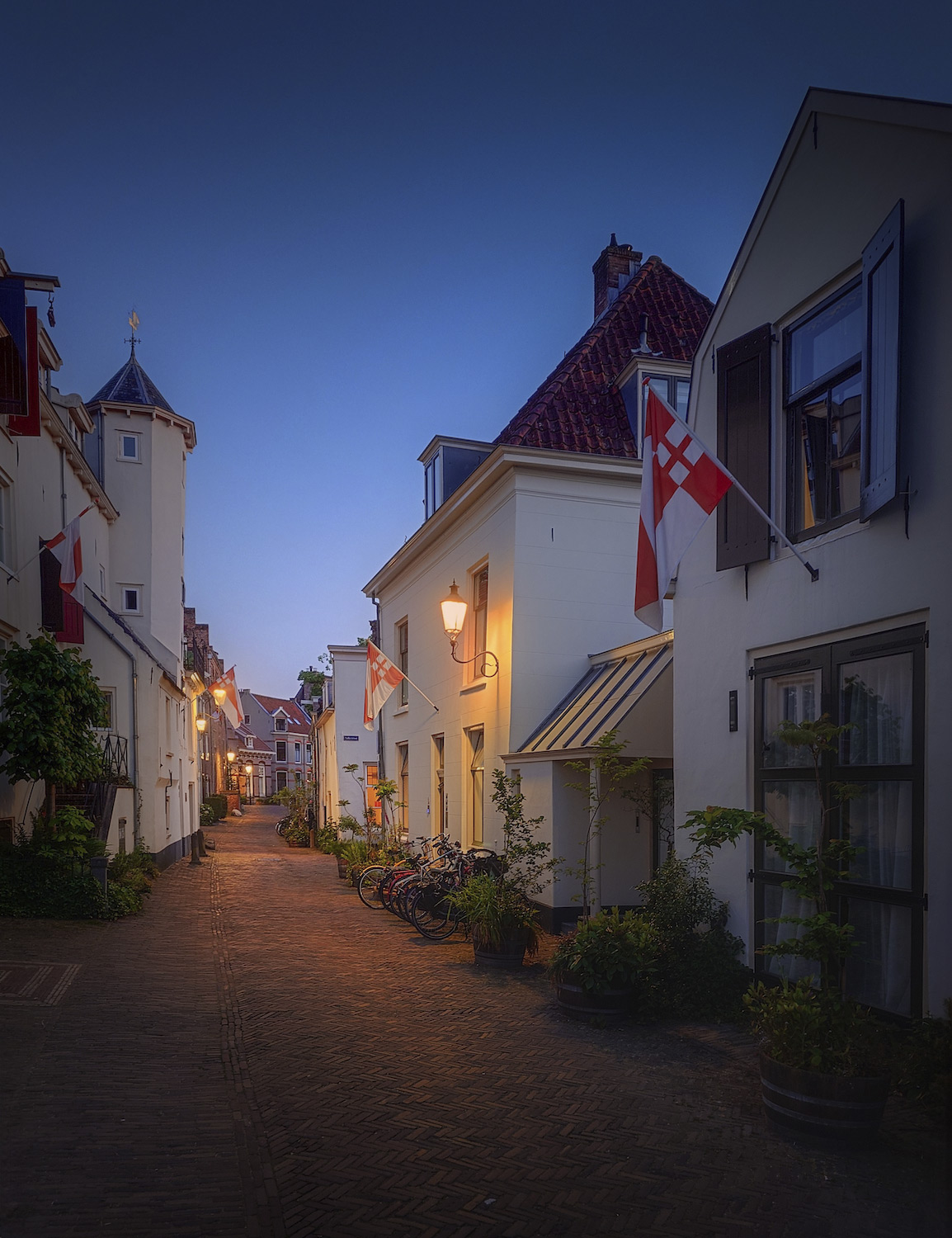 © Albert Dros | Sony Xperia 1 V Wide Camera 6.1mm | 1/10s @ f/1.9, ISO 250
Even with the ISO pushed to 400, the noise level is extremely low.
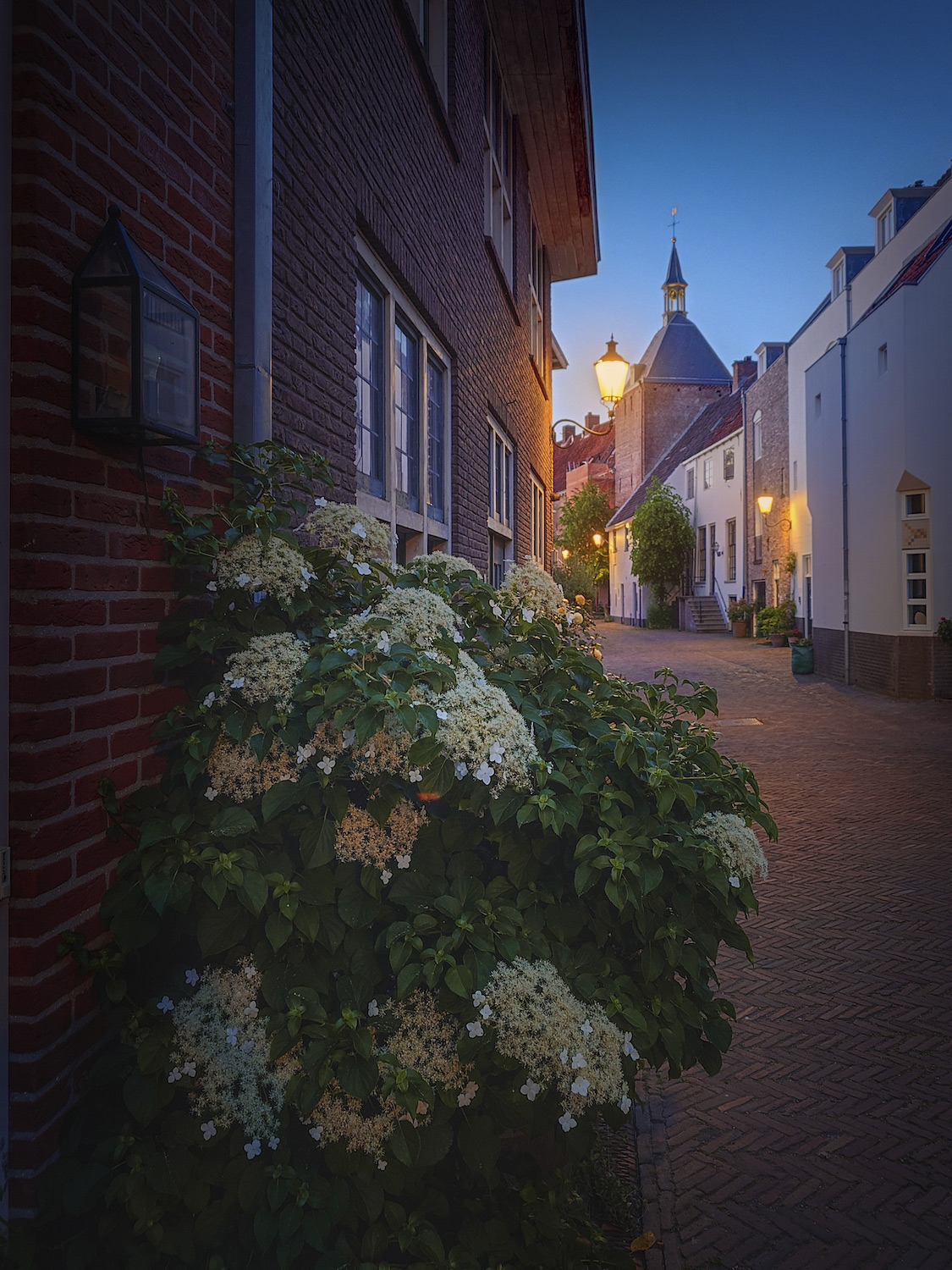 © Albert Dros | Sony Xperia 1 V Wide Camera 6.1mm | 1/10s @ f/1.9, ISO 400
Continuing on and getting darker with this shot taken at ISO 640. It’s important to note that when the smartphone takes a photo, you have to keep it still and it displays a ‘waiting’ circle for a few seconds. I don’t think it’s actually taking a longer exposure, but more like taking a number of exposures, overlay them, and stack them to get a cleaner result. The darker it is, the longer this takes. This technology was already in the previous Xperia phones, but seems to work even better now. This is also why the shooting data doesn’t actually show multiple seconds exposure. It shows just 1/15s most of the time.
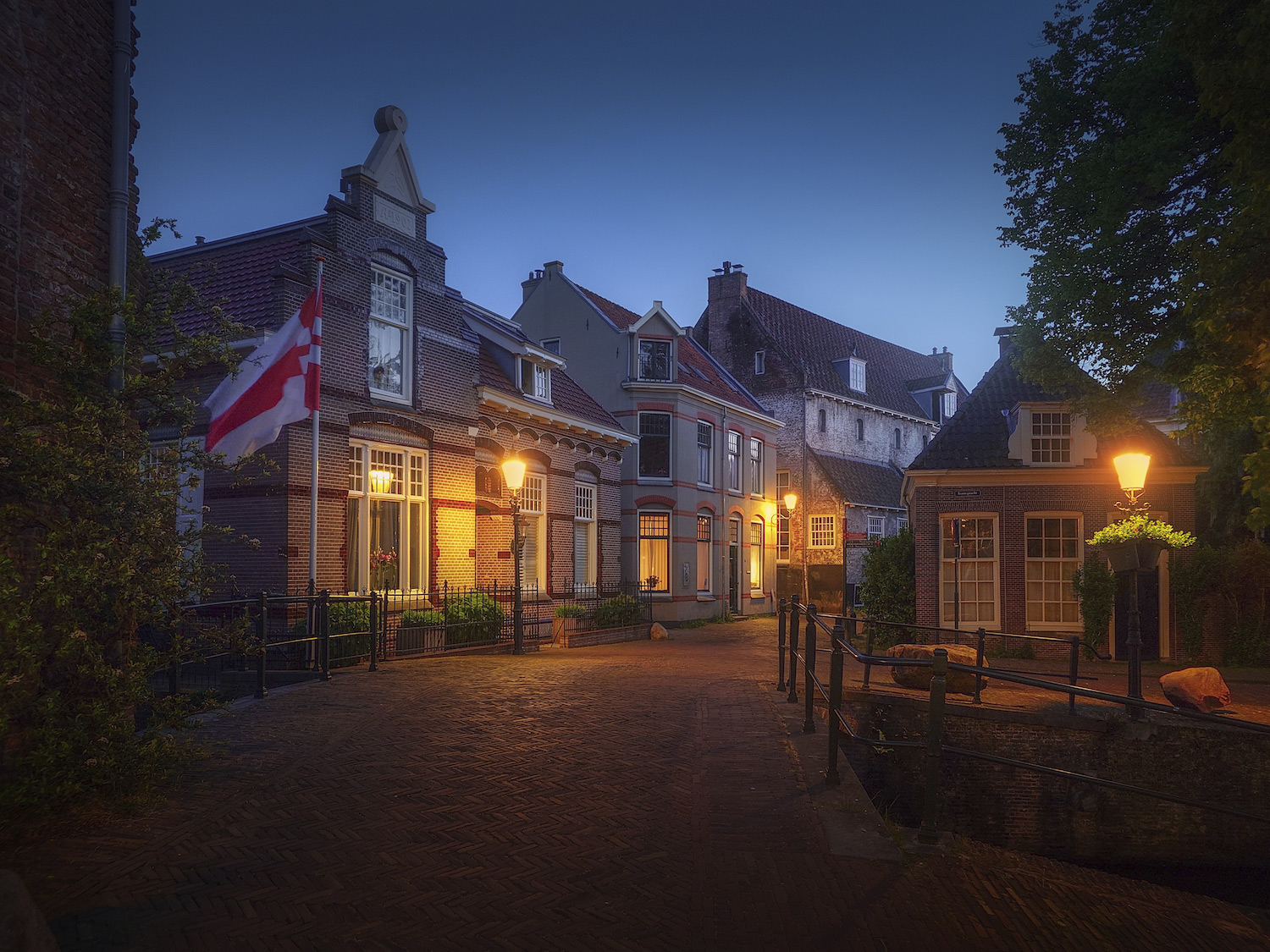 © Albert Dros | Sony Xperia 1 V Wide Camera 6.1mm | 1/15s @ f/1.9, ISO 640
I had a trip planned to La Palma in Spain and took the Xperia with me, to shoot alongside my usual Alpha gear. This time I was keen to try the ultrawide lens. I was shooting at sunrise and the light was good, so the ISO stayed at 64.
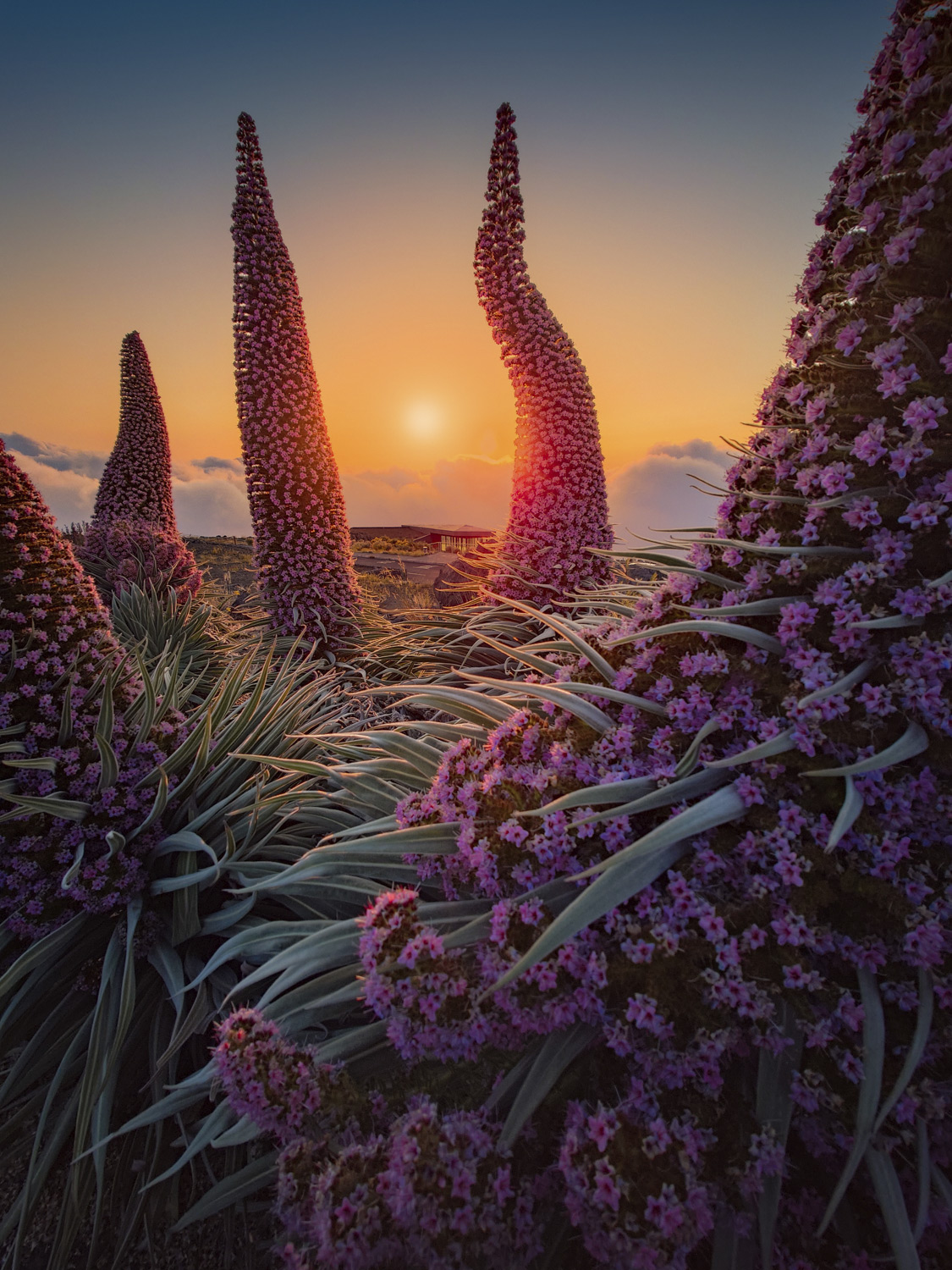 © Albert Dros | Sony Xperia 1 V Ultrawide Camera 2.7mm | 1/125s @ f/2.2, ISO 64
Something to note here is that I did some editing myself in most of these shots. The Xperia shots often come out great, but I like to add my touch and style. Actually, while I love saturation, the blue hour and night shots often come out slightly too blue and I reduce the saturation of the sky.
In summary, I feel that the Xperia 1 V is the best smartphone Sony released so far in terms of photography. The new sensor is not just good tech on paper, it really makes the photos better especially in low light.
I’m happy to see Sony is still pushing the Xperia smartphones and coming up with great improvements. As a Sony user (and long-time ambassador), I’m always excited for the future and I can’t wait what’s coming up next.
Featured products


Albert Dros | Netherlands
"I am obsessed with getting the perfect shot"


