
Top Tips: Composing Landscapes
Landscape photography is a combination of location, light, and composition, and it takes all three to create a fantastic image. Sony cameras are packed with tools that can help, and with a few key techniques, you can create stronger images before you even press the shutter.
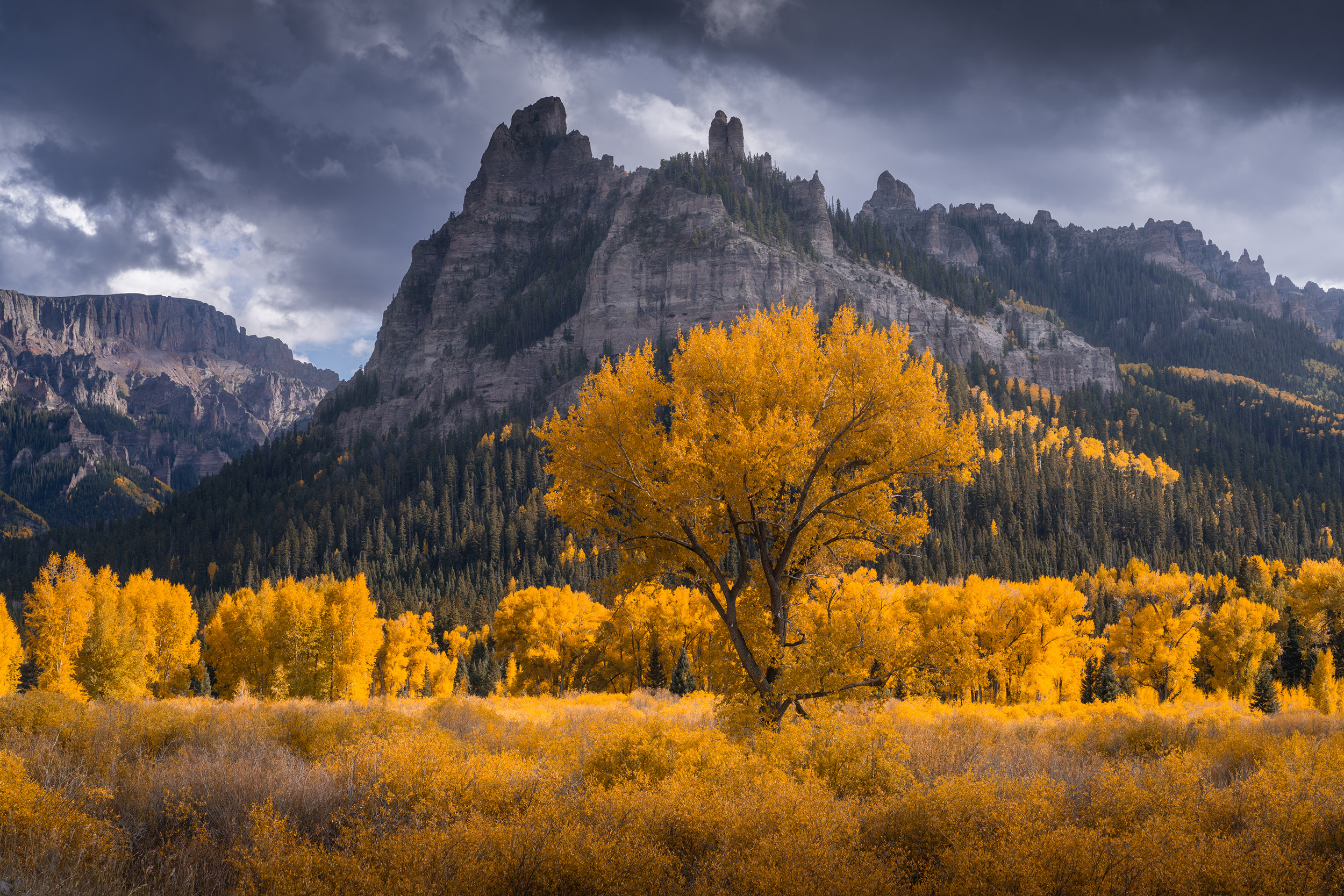 © Albert Dros | Sony α7R V + FE 24-70mm f/2.8 GM II| 1/100s @ f/13, ISO 100
Portrait or Landscape
Although we talk about landscapes, don’t rule out taking your image in a vertical (portrait) orientation. If you have a lot of interest in the foreground and a great sky, shooting in a vertical orientation can let you include both features without sacrificing any interest.
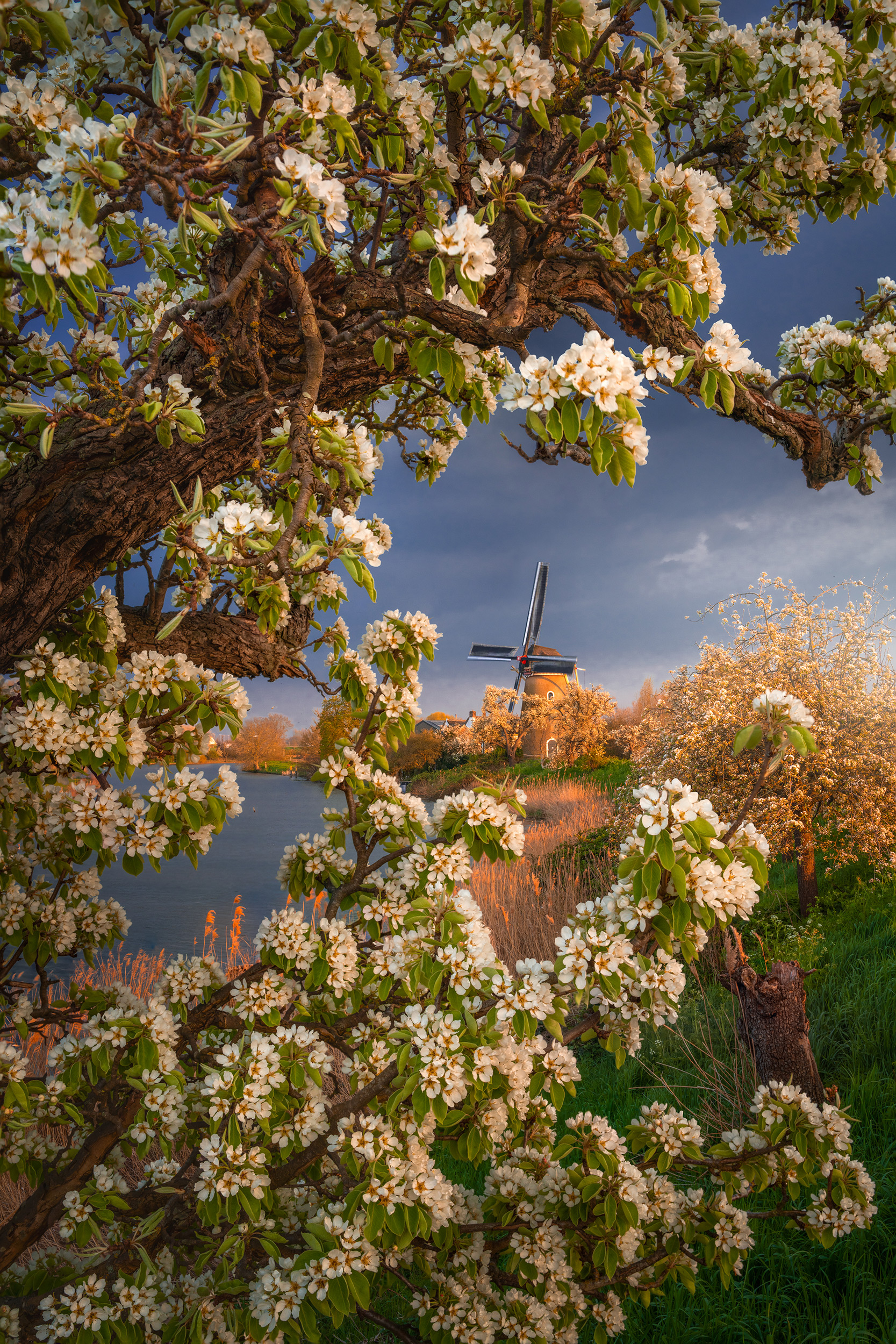 © Albert Dros | Sony α7R V + FE 24-70mm f/2.8 GM II| 1/40s @ f/14, ISO 200
Grid Line Display
If there is one key principle that every photographer should know, it is the Rule of Thirds, and Sony cameras make it easy to apply in the field. Go to Shooting > Shooting Display > Grid Line Display and set the Grid Line Type to Rule Thirds. This overlays a 3-by-3 grid on your viewfinder or rear screen, dividing the frame into 9 equal sections.
Use the horizontal lines to place your horizon. If the sky is dramatic - a vivid sunrise or stormy sky - let it fill the upper two-thirds of the frame with the horizon on the lower line. If the foreground is the star of the image, reverse this by letting the foreground fill the bottom two-thirds. Resist the temptation to place the horizon dead centre unless you are deliberately creating a symmetrical reflection shot.
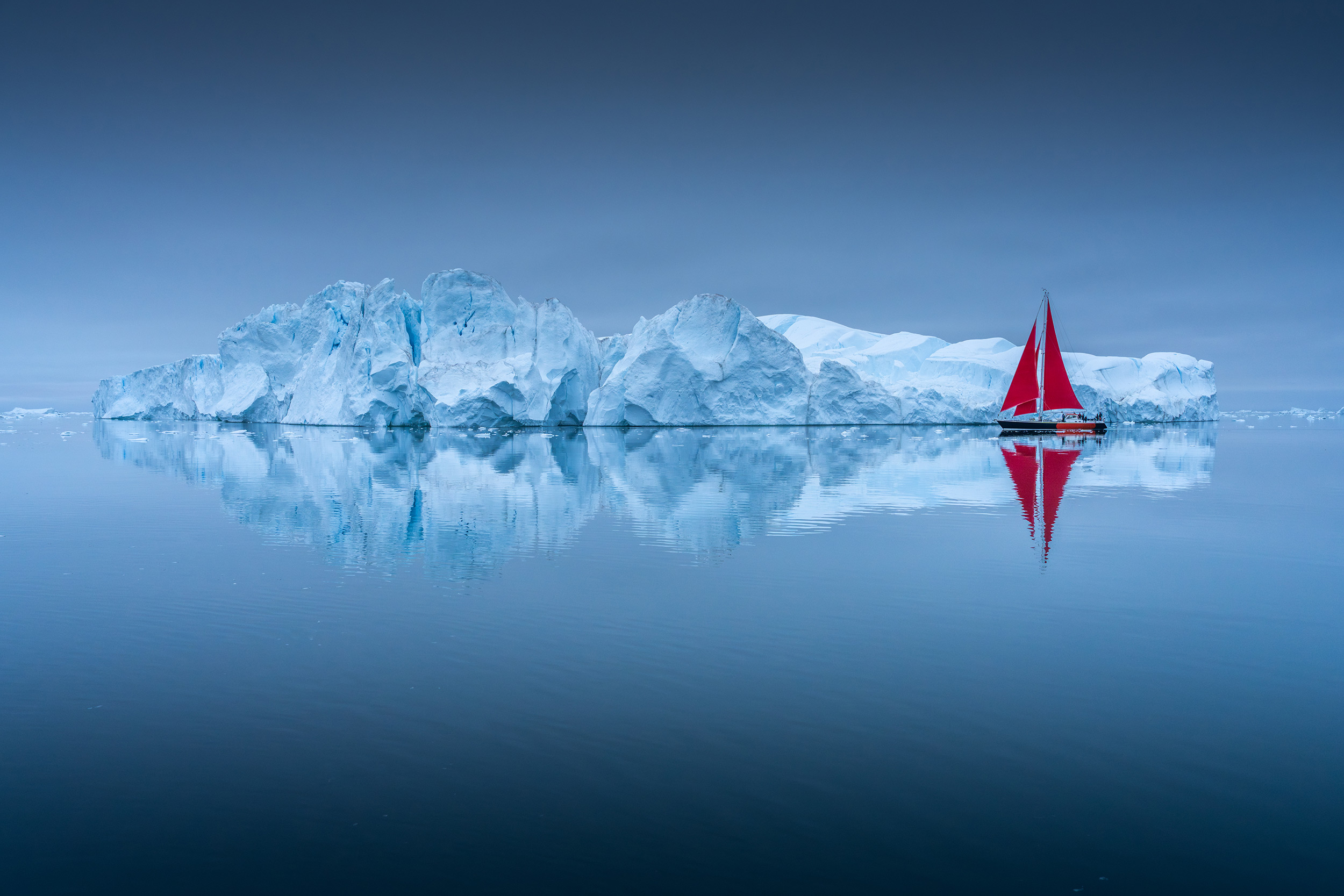 © Albert Dros | Sony α7R V + FE 24-70mm f/2.8 GM II| 1/320s @ f/4, ISO 800
Leading Lines
Paths, rivers, dry stone walls, fences, shorelines - any element that draws the eye from the foreground towards the horizon helps to create a sense of depth that draws the viewer’s eye across the scene and into a focal point in the image. Look for lines or objects that originate near the bottom corners of the scene and lead diagonally towards the centre or towards a focal point in the image. Using the Diagonal Grid overlay can help you align these elements in your composition.
Digital Level Gauge
The nemesis of many landscape photographers, particularly those shooting out to sea, is a tilted horizon. Thankfully it is one of the most easily corrected parts of a composition that can be resolved. Cycle through the DISP button on the rear of your camera until the Digital Level Gauge appears. This indicator shows in real-time when the camera, and therefore the horizon, is perfectly level.
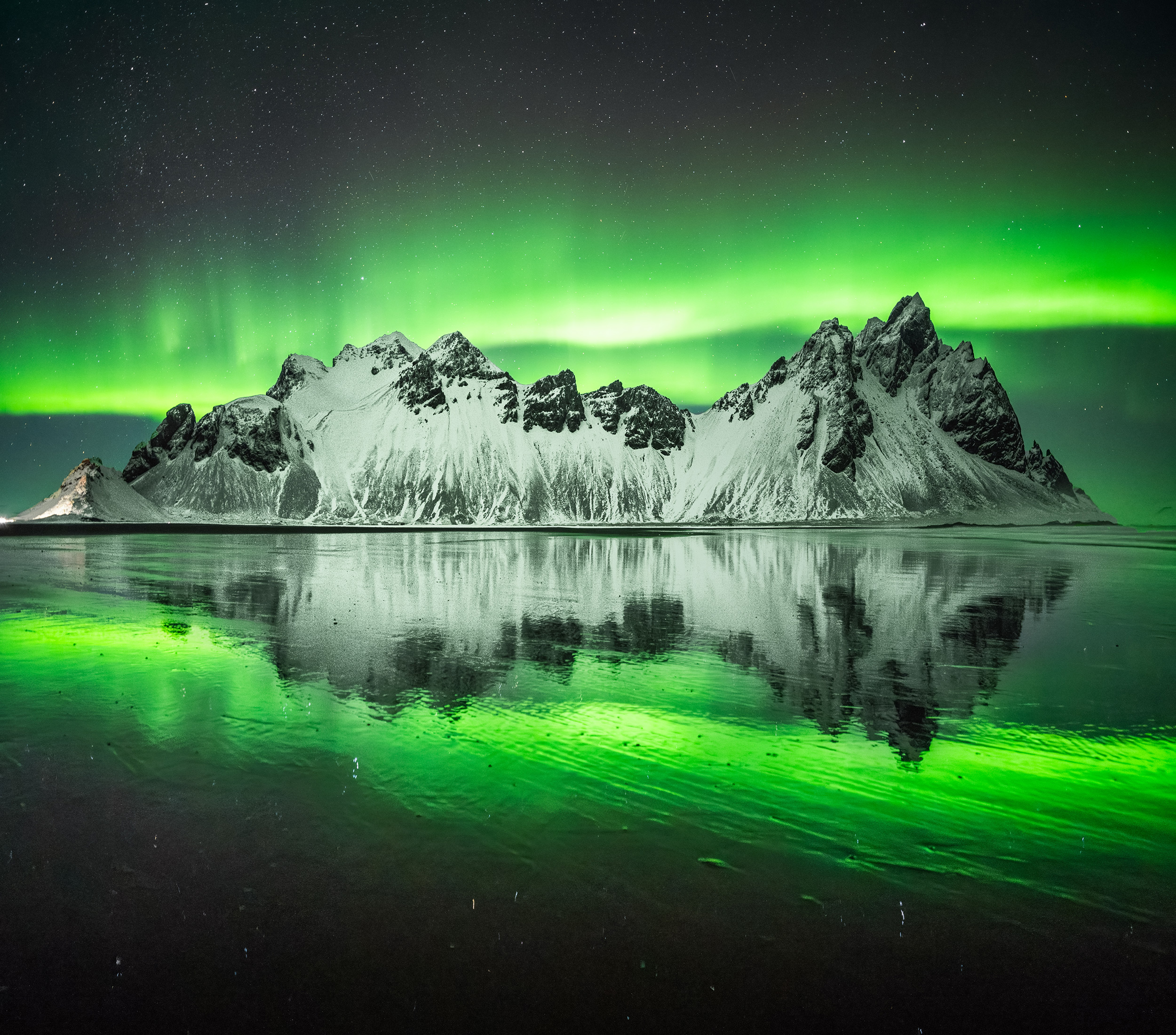 © Steffi Liebermann | Sony α7R V + FE 16mm f/1.8 G | 4s @ f/1.8, ISO 4000
Aspect Ratio
Sony Alpha cameras default to a 3:2 aspect ratio, matching the native sensor format, but changing this can significantly affect the feel of a composition. Go to Shooting > Image Quality > Aspect Ratio to explore the options. A 16:9 ratio gives a cinematic, widescreen feel, whilst a 1:1 square ratio works well for landscapes with strong symmetry. When shooting in RAW, the aspect ratio is applied as an overlay, and the full sensor data is retained, so you can always revert to 3:2 in editing.
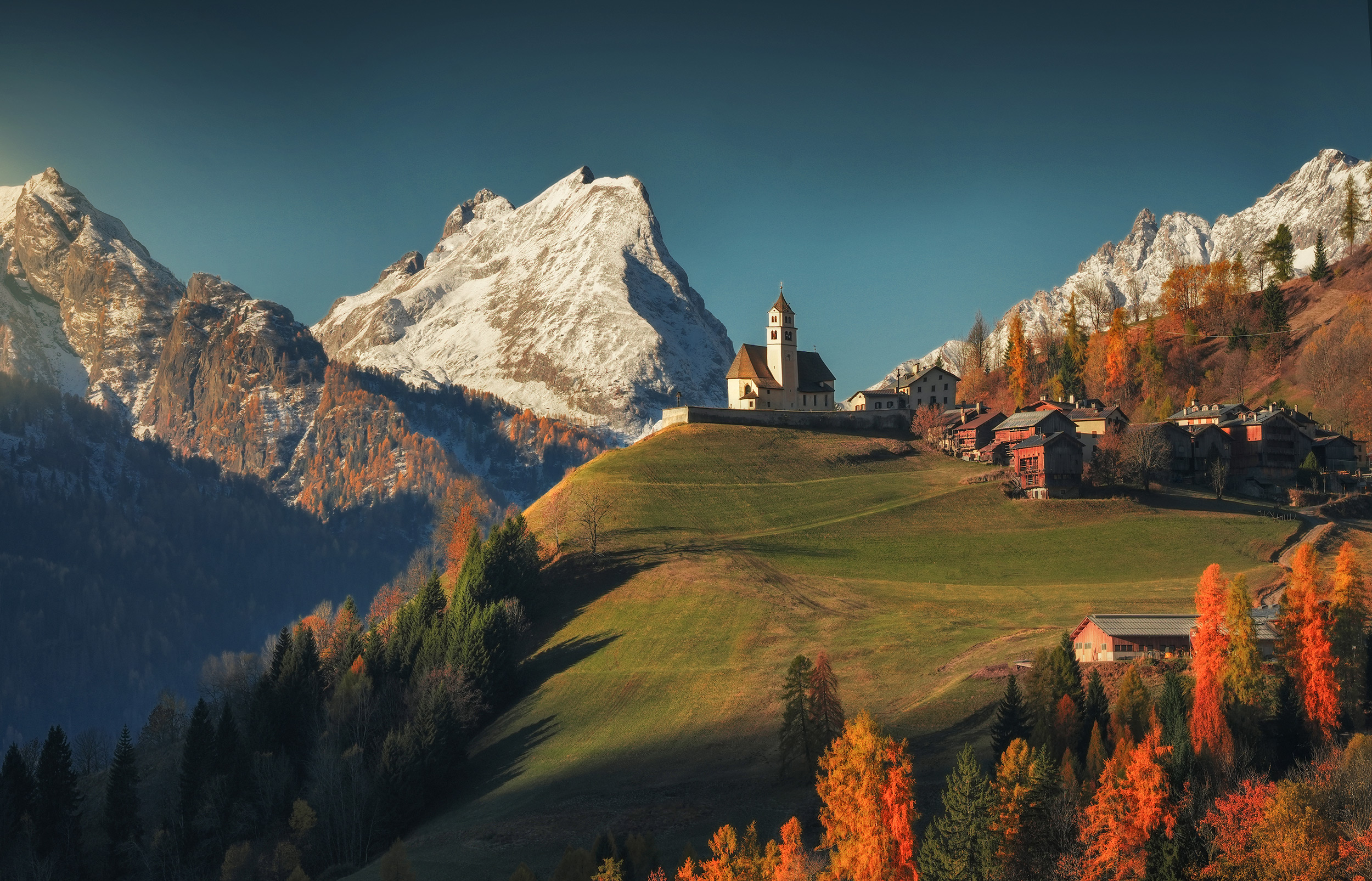 © İlhan Eroğlu | Sony α7 V + FE 70-200mm f/2.8 GM OSS II | 1/250s @ f/9.0, ISO 200
Telephoto Lenses
When you think about landscape photography, the instinct is to grab a wide-angle lens to capture as much of the scene in front of you as possible. However, how you see the amazing vista does not translate to an image. Using a telephoto lens can help capture the most interesting parts of the landscape, leaving out the more boring ones.
The Sony FE 70-20mm f/2.8 GM OSS II is a favourite lens for many landscape photographers, whilst the lighter FE 70-200mm f/4 Macro G OSS II is great for longer days out shooting - the one stop difference will rarely matter as you will most likely be shooting at f/8 - f/16 anyway.
Lens Range
Part of shooting landscapes is adventure, and you never know what you will come across or how the light and weather may instantly change a location. Having a range of lenses gives you options, and zoom lenses help to keep the weight down. The classic trio of FE 12-24mm f/2.8 GM, FE 24-70mm f/2.8 GM II and FE 70-200mm f/2.8 GM OSS II lenses are used by many landscape photographer, but some will go even further and simply pack the 12-24mm and the FE 100-400mm f/4.5-5.6 GM OSS knowing that nearly every scene will warrant either a wide-angle or telephoto, with the range in between rarely used.
If you know you will be shooting wide-angle shots, the FE 20mm f/1.8 G is a compact lens that works well for capturing wide shots with foreground interest. Whilst those with a Sony APS-C sensor camera, the Sony E 10-20mm f/4 G zoom Lens is a popular wide-angle choice.
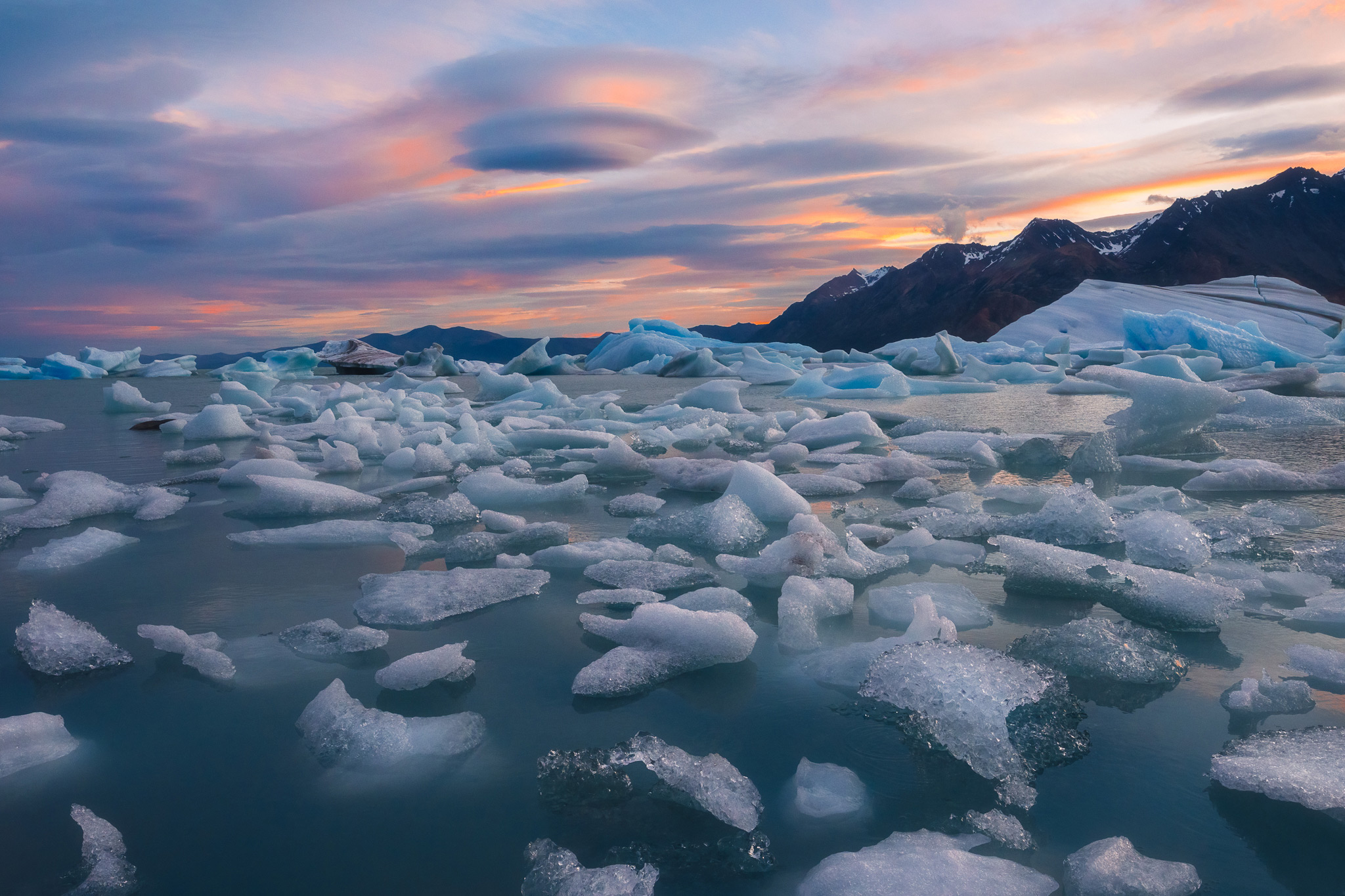 © Marco Grassi | Sony α1 + FE 12-24mm f/2.8 GM | 1/60s @ f/13, ISO 640
Foreground Interest
Including a strong foreground element is one of the most effective ways to add depth to a landscape image. Rocks, pools of water, wildflowers or textured ground give the eye something to engage with before it travels towards the horizon. Without one, even a dramatic backdrop can feel distant and flat.
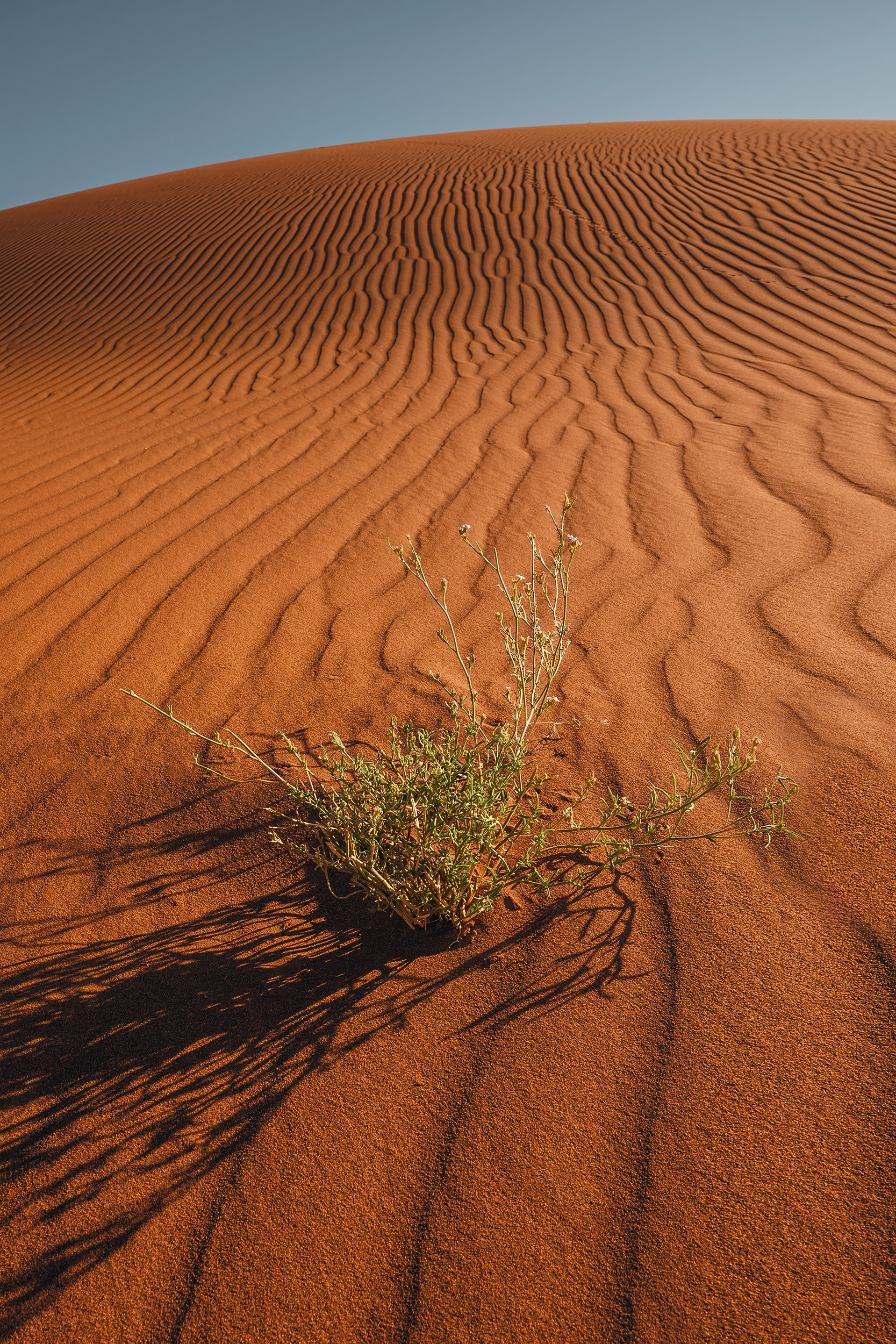 © Stijn Dijkstra | Sony α7C II + FE 16mm f/1.8 G | 1/250s @ f/10, ISO 64
Scan the Frame
Before pressing the shutter, take a moment to scan the edges of the frame rather than just the main subject. It is easy to become so focused on the landscape in front of you that unwanted details creep in unnoticed around the edges - the tip of a fence post, a piece of litter or a stray branch can all draw the eye and detract from an otherwise strong image.
The Vari-angle Screen
Getting low to the ground can transform a landscape composition, bringing a foreground element closer and making the image feel more immersive. Some Alpha models feature a fully articulated Vari-angle screen which makes low-angle shooting practical, whilst the touchscreen lets you set your focus point precisely at any angle.


