
Top Tips: Macro Photography with the FE 70-200mm f/4 Macro G OSS II
Petar Sabol
Finding Your Shot
I love taking macro photography shots of insects with the Sony FE 70-200mm f/4 Macro G OSS II lens, particularly butterflies and moths. The trick is to prepare early and photograph the insects before they wake up. I will arrive at a location before sunrise, looking for where the insects are basking, getting ready for the morning sunlight. The morning is the coldest part of the day, so it's the best time to take photos because insects will still be hibernating.
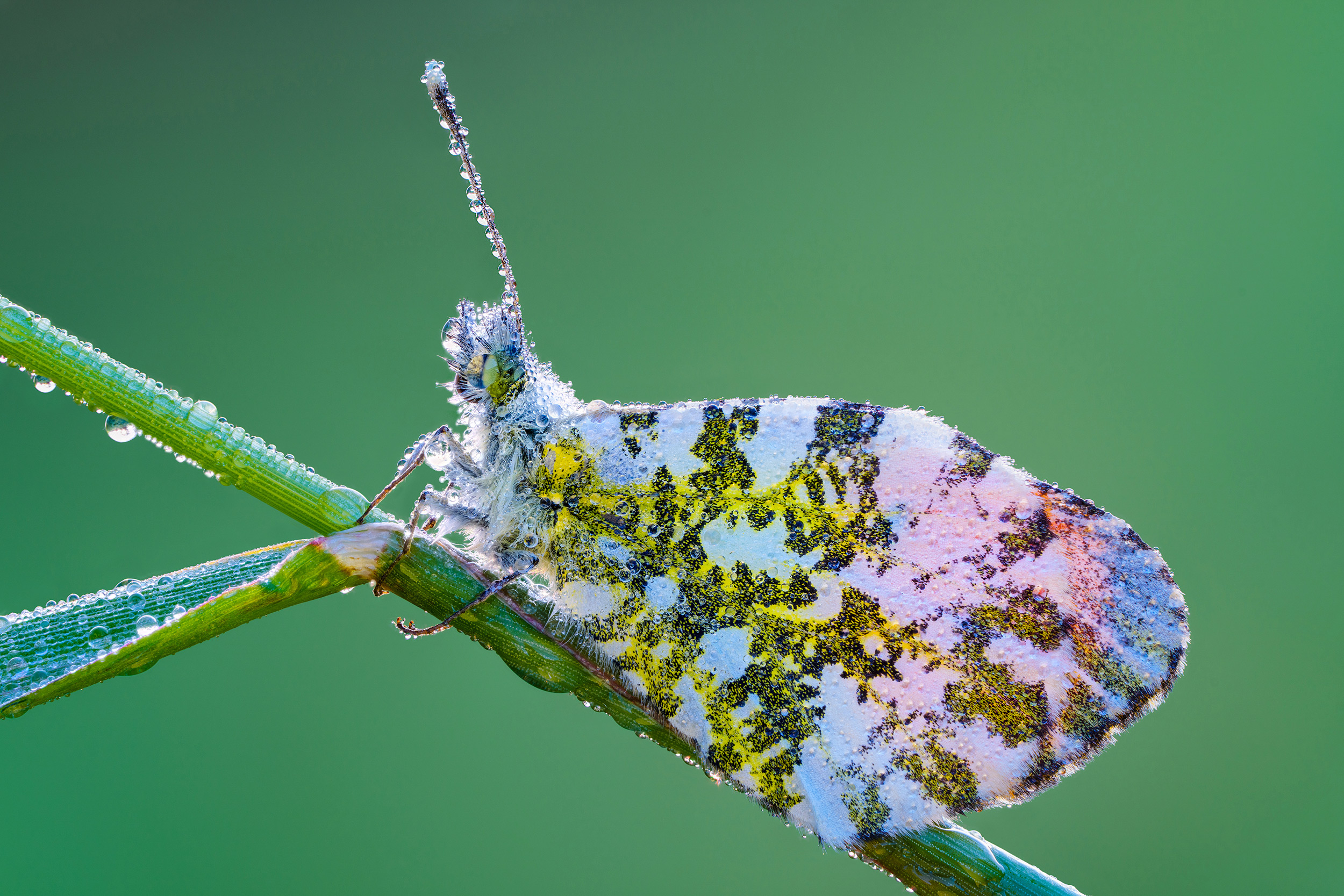 © Petar Sabol | Sony α1 II + FE 70-200mm f/4 Macro G OSS II + 2x Teleconverter | 1/13s @ f/10, ISO 160
Choose Your Background
The first thing you have to do is find the insect. When you do that, you have to approach carefully so as not to scare them, because they are sensitive to movement.
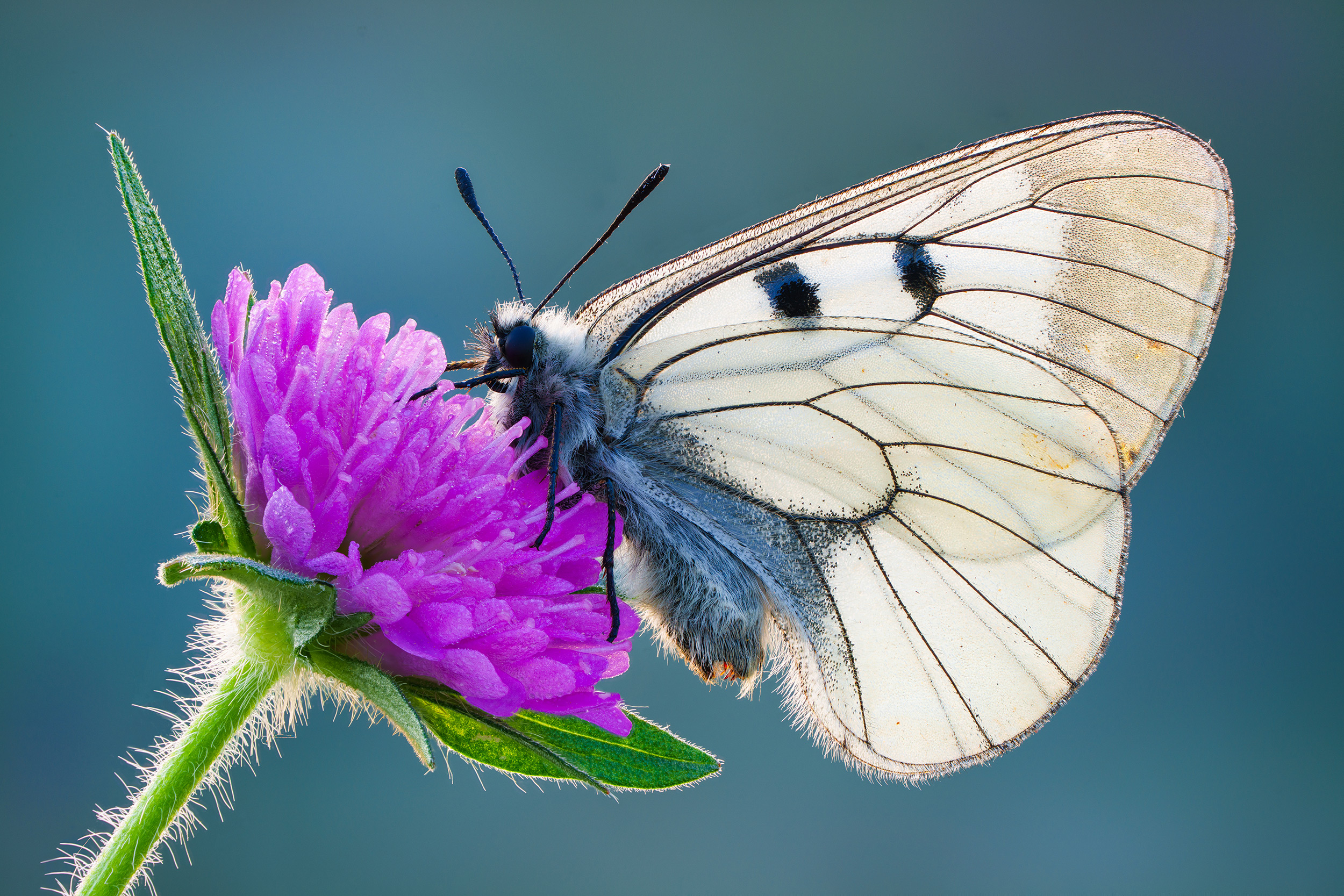
 © Petar Sabol | Sony α7R V + FE 70-200mm f/4 Macro G OSS II + 2x Teleconverter | 1/13s @ f/10, ISO 160
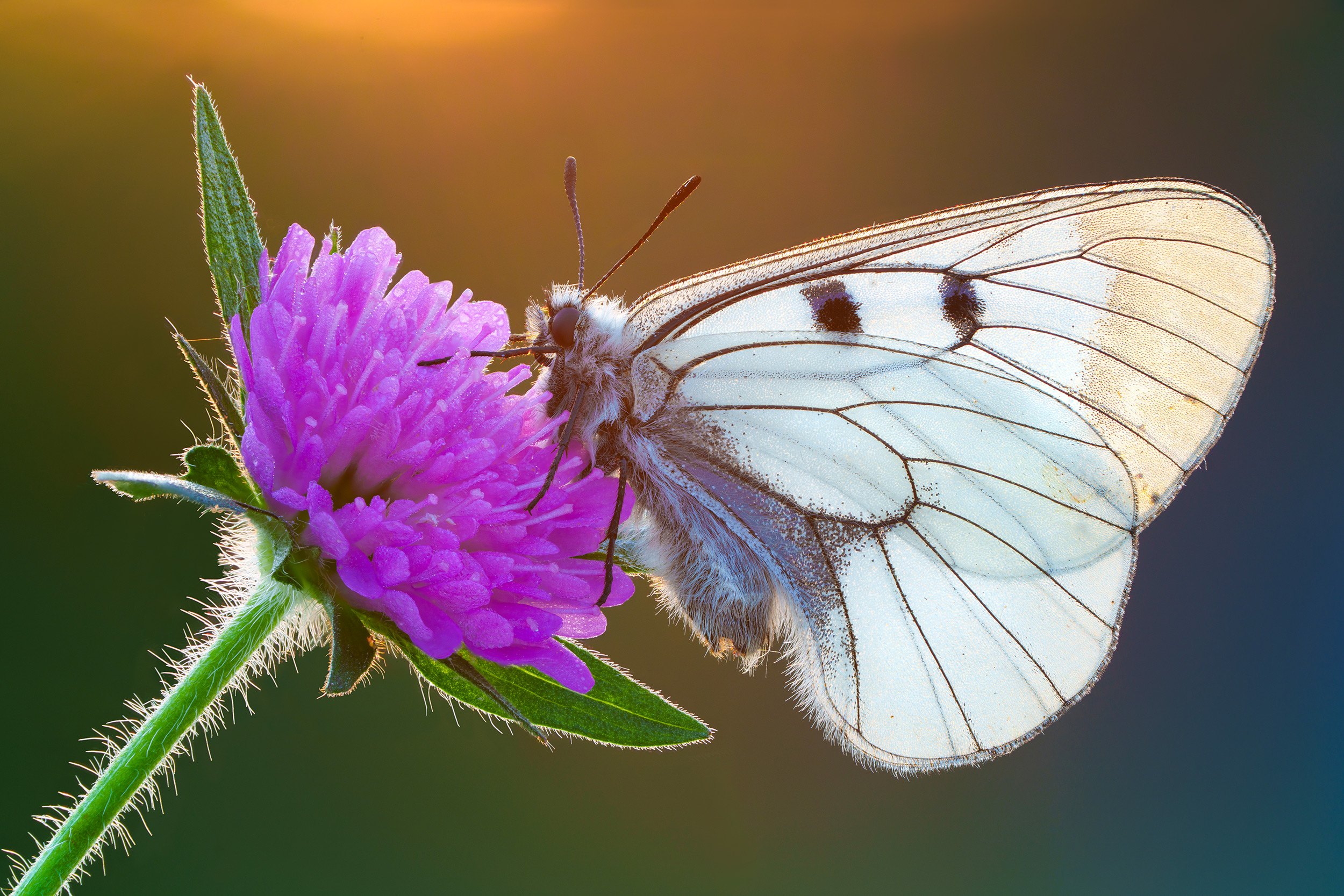
Once you've located your subject, background selection becomes crucial for dramatic results. Even the slightest change in angle can result in a very different result.
I have a shot of a white butterfly on a flower. In one shot, the photo is in the shade and has colder tones, and in another shot, I intentionally let the warm early morning sun into the picture. You can always experiment and make several versions of the same subject to get very different results.
 © Petar Sabol | Sony α7R V + FE 70-200mm f/4 Macro G OSS II + 2x Teleconverter | 1/20s @ f/9.0, ISO 200
Lens Choice
The FE 70-200mm f/4 Macro G OSS II lens is a telephoto zoom lens not typically used for macro photography. However, with the 0.5x magnification, Sony has done a fantastic job with the image quality, making it feel like a prime macro lens.
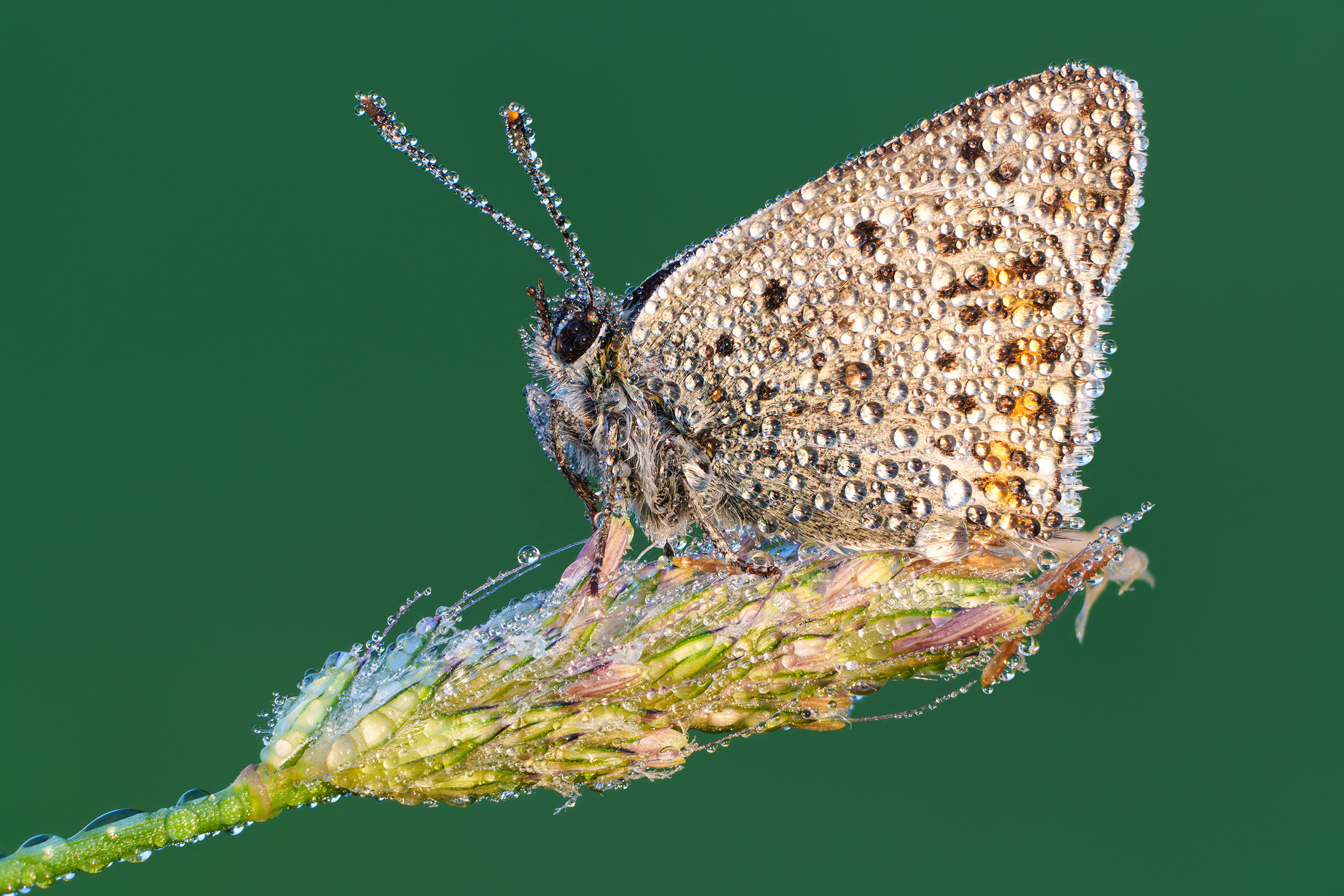 © Petar Sabol | Sony α7R V + FE 70-200mm f/4 Macro G OSS II + 2x Teleconverter | 1/25s @ f/10, ISO 200
The images with this lens are so sharp that I cannot tell the difference between them and other telephoto macro lenses—they really are comparable to an actual prime lens. It also doesn't produce any chromatic aberrations, which is amazing.
Teleconverters
One often overlooked feature of the lens is that it can be used with Sony's FE mount 1.4x and 2x Teleconverters. When using the Sony SEL20TC 2x Teleconverter, the 70-200mm f/4 lens becomes a 140-400mm f/8 equivalent lens, but most importantly, it allows me to get actual 1:1 macro magnification.
 © Petar Sabol | Sony α7R V + FE 70-200mm f/4 Macro G OSS II + 2x Teleconverter | 1/25s @ f/8.0, ISO 200
In the past, using a teleconverter usually meant losing some optical quality. But with this combination of lens and teleconverter, there is no loss of image quality, which is really amazing.
Then there is the practical benefit; greater focusing distance. Zooming to 200mm with the 2x teleconverter provides an effective 400mm, which is particularly welcome when photographing insects as it means you can avoid getting too close and scaring them.
Focus Stacking
This is a technique I use for macro shots where multiple images are taken at different focus points. I then combine these images in post-processing to create a single image where the subject has precise front-to-back sharpness. I usually use the lens wide open at f/8 with a 2x teleconverter. I don't need a smaller aperture to get a sharper image, as the lens is great wide open and I achieve the best image quality while achieving great background bokeh.
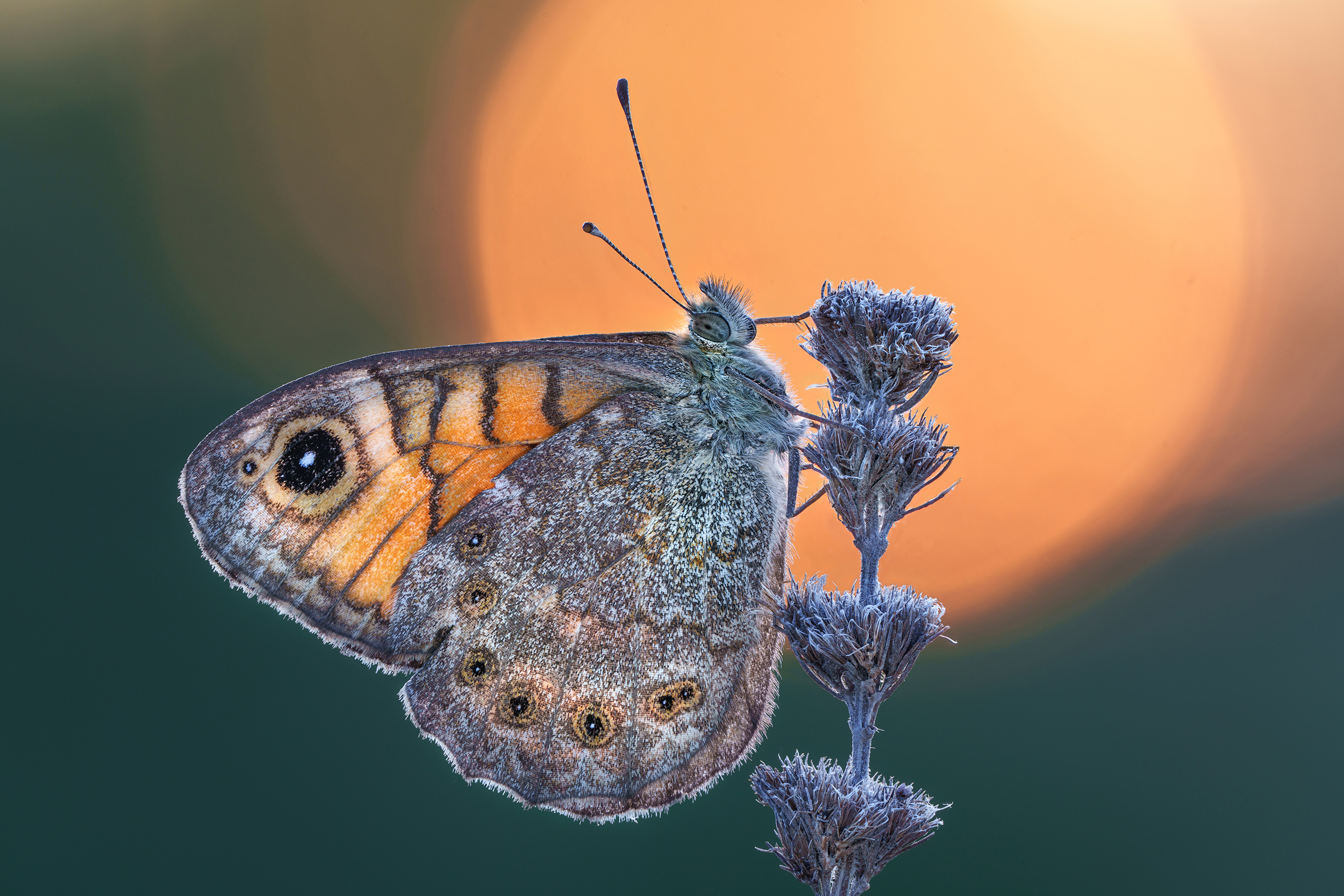 © Petar Sabol | Sony α7R V + FE 70-200mm f/4 Macro G OSS II + 2x Teleconverter | 1/10s @ f/9.0, ISO 200
In the past, I had to use devices like electronic rails, external batteries, remote controllers, cables - all those things to go in the middle of the forest or somewhere, and it was much more time-consuming. Now, via the latest firmware, many Sony cameras have built-in focus bracketing. Now, I just take a tripod and a camera and use focus bracketing for focus stacking. So it's way faster than in the past, and it is much easier to get to the final result.
How many shots I take varies with subject size: usually, I go with about 30 to 60 photos on average for focus stacking, but there are some cases where I will use up to 120 photos. Sometimes, I will also do several sets to make sure that I have one where there is no movement. You have to pick your timing and hope that there isn't going to be any wind or that the insect is not going to move during the sequence of shots.
The lens essentially behaves like a dedicated macro lens while offering the versatility of a telephoto zoom, making it exceptionally practical for field macro work.
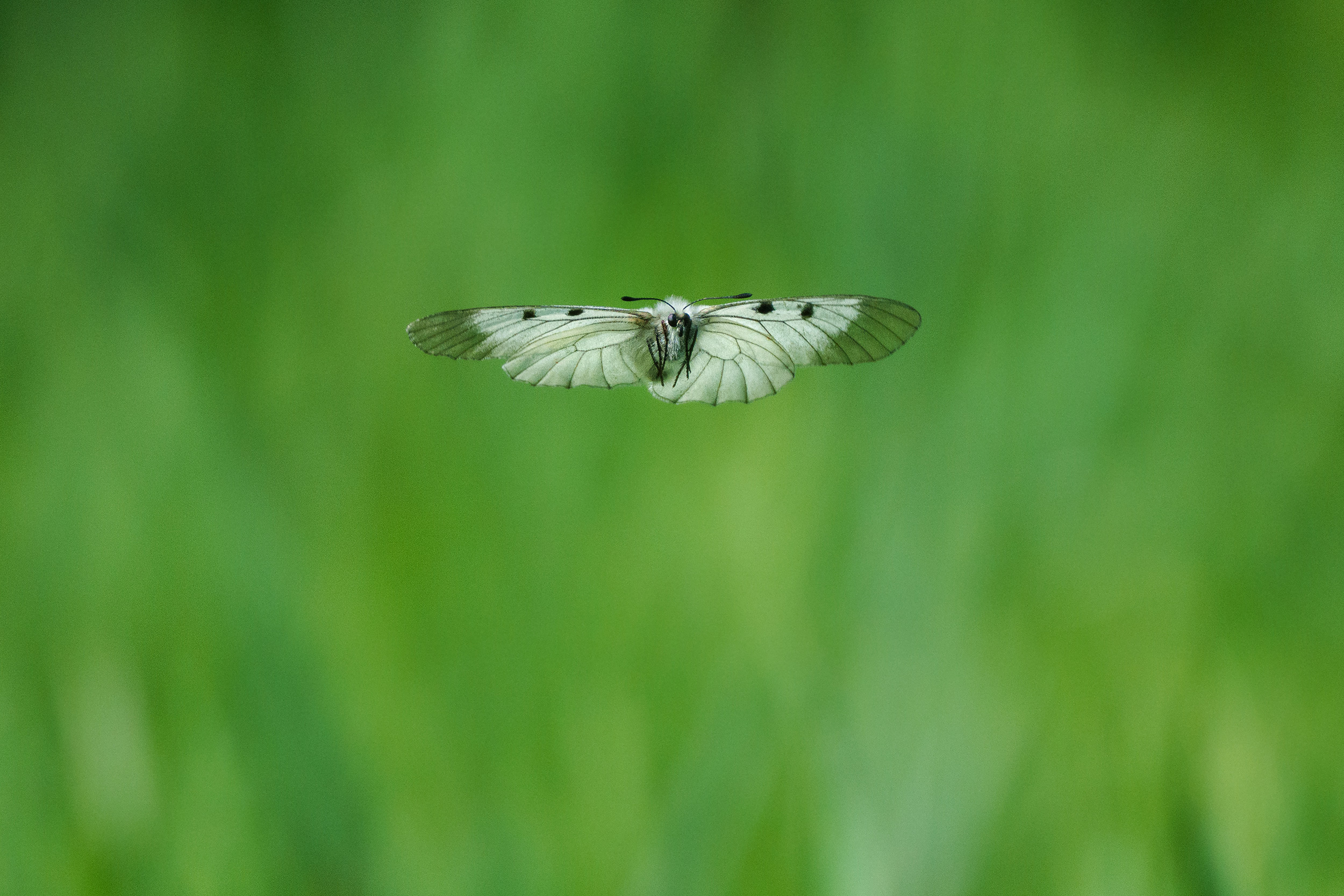 © Petar Sabol | Sony α1 + FE 70-200mm f/4 Macro G OSS II + 2x Teleconverter | 1/4000s @ f/8.0, ISO 2500
Insects In Flight
Macro shots don't always have to be about the subject being still. As a wildlife photographer, I am used to shooting birds in flight, and with this lens, I can shoot insects in flight as well. For one series of photos, I pre-focused on a hovering fly using DMF (Direct Manual Focus). The fly was moving around, and I could photograph it in flight. The Sony Alpha 1's performance helped me to get the shot. That camera lets me focus quickly, even when using the 2x teleconverter and shooting at 30fps. It does the job beautifully.
Summary
- Preparation
Arrive before sunrise to photograph dormant insects that won't fly away - FE 70-200mm f/4 Macro G OSS II
Delivers prime lens sharpness at 0.5x magnification, making it the world's first telephoto zoom that behaves like a prime macro lens. - Background
Make minor angle adjustments to dramatically change your background, experimenting with shaded areas and sun-lit compositions. - Teleconverter
Use the Sony SEL20TC 2x teleconverter to achieve actual 1:1 macro magnification while maintaining good working distance from your subjects. - Keep it Open
Shoot wide open at f/8 (with 2x teleconverter) to get maximum sharpness and creamy background bokeh without needing to stop down. - Focus Bracketing
Take 30-120 focus-stacked shots using Sony's built-in focus bracketing feature to achieve front-to-back sharpness throughout your subject.
Featured products


Petar Sabol | Croatia
"I always try to make my photos look better, no matter how long it takes and how much effort it requires"


