
Top Tips: Pet Photography
Just like people, pets each have their own character and personality that you can capture in a photograph. Many of the same techniques that we use to photograph people portraits apply to animals, and just like people, animals need to feel comfortable before you begin taking images. Shooting in a familiar location can help, and if you have set up lights or a background, allow time for them to explore before trying to get them to settle.
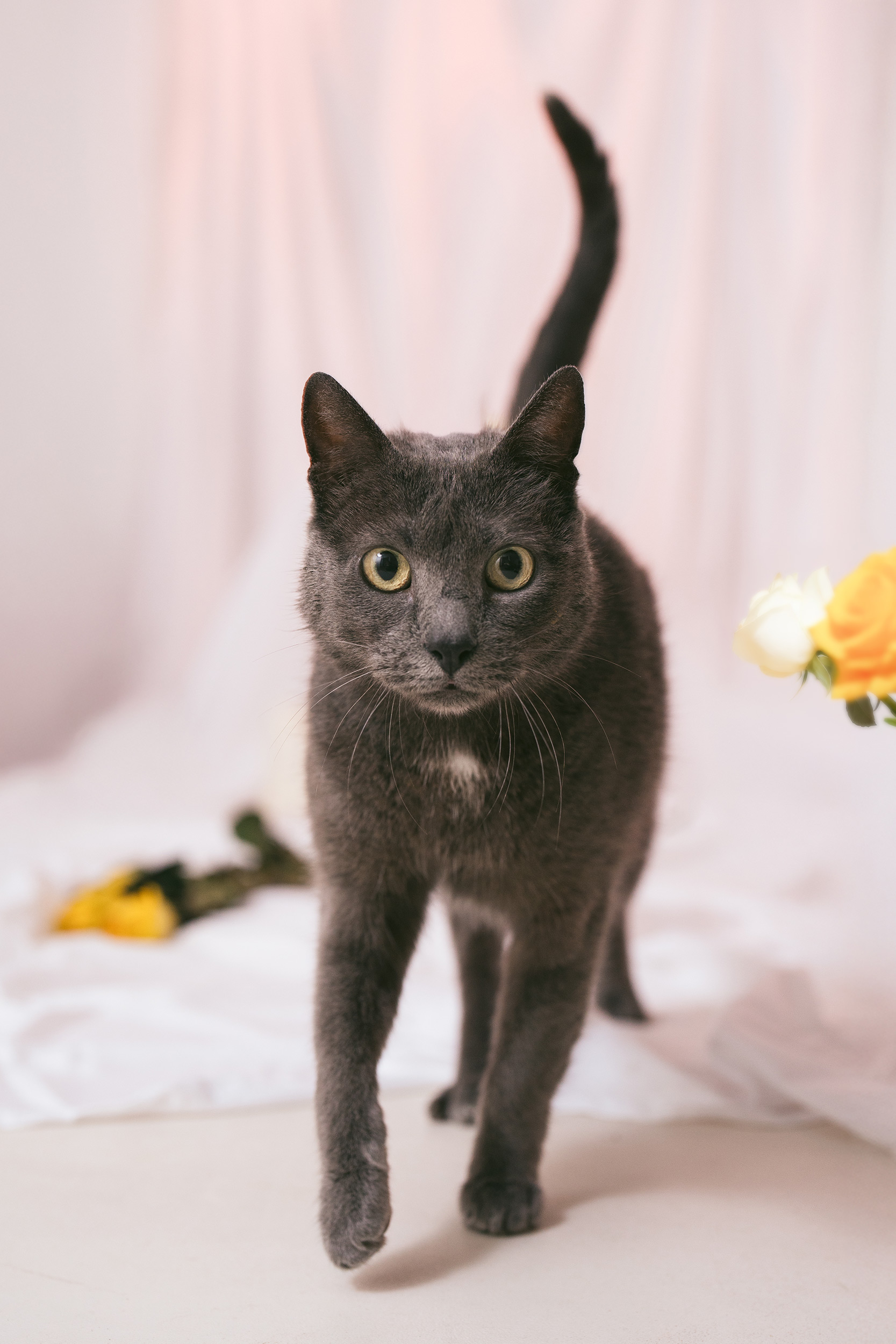 © Amanda Teixeira | Sony α7 IV + FE 50mm f/1.2 GM | 1/160s @ f/3.5, ISO 640
Silent Shooting
Some animals may be distracted by the sound of the camera's shutter or any autofocus confirmation beeps, so turn off any sounds that you don’t need. In the Shooting Menu, select Shutter/Silent - Silent Mode Settings and set Silent Mode to ON.
Focus on Your Subject
The latest generation of Sony cameras, including the Sony Alpha 7R V, Alpha 7C II, and Alpha 6700, utilise AI-powered Real Time Recognition AF that detects subjects, such as animals, and focuses on them quickly and accurately. In the Focus menu, select Subject Recognition - Recognition Target and choose Animal/Bird to have the focus accurately track and focus on your pet's eye.
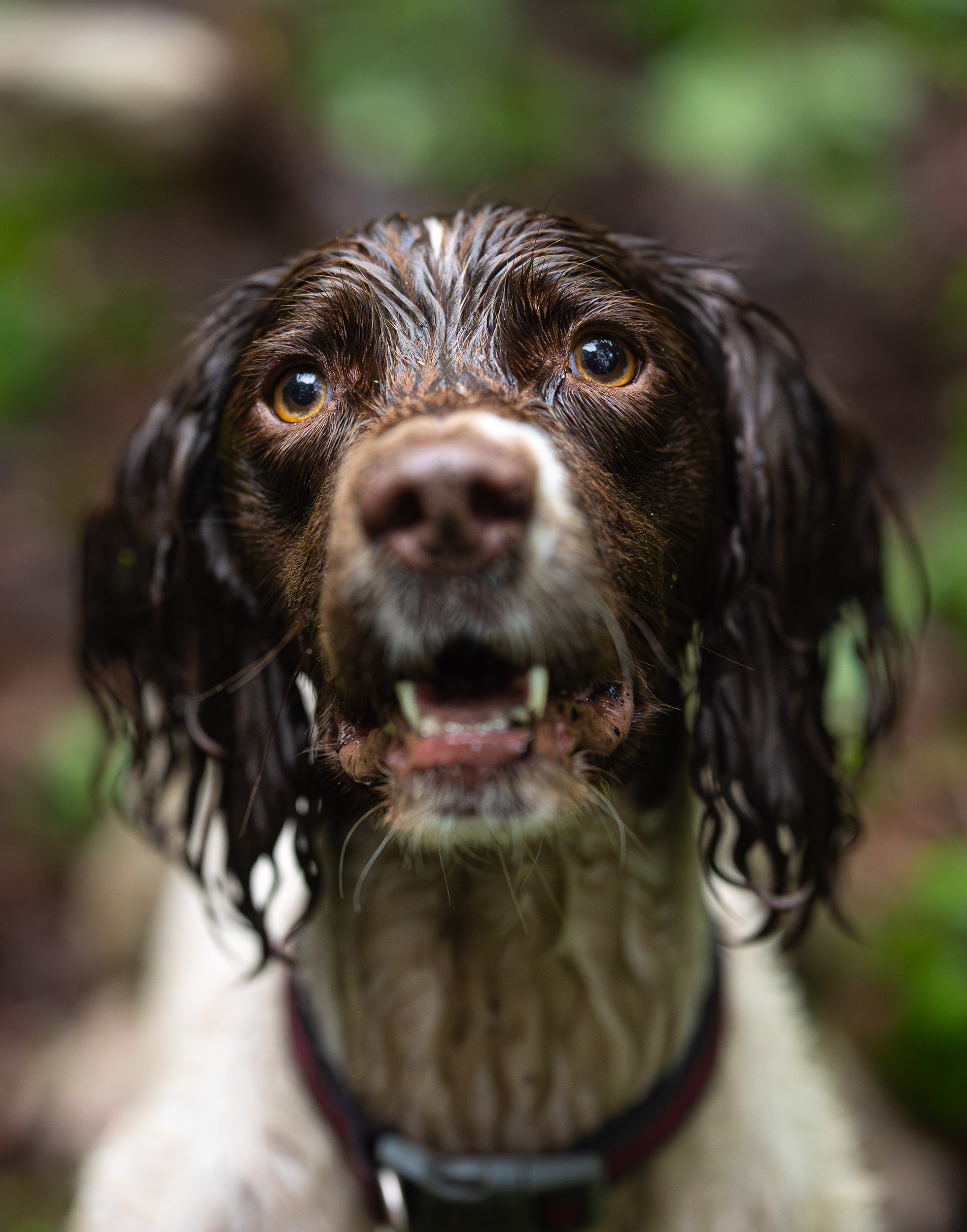 © Libby Penman | Sony α9 III + FE 85mm f/1.4 GM II | 1/2000s @ f/1.8, ISO 3200
Be Ready
Hopefully, you’ll be lucky and your subject will lie, sit or stand still, but you will likely have to be ready to take your images. Set your camera to Continuous Autofocus and Tracking. If you don’t have AI Subject Recognition, use Animal Eye AF mode and enable Continuous Shooting. With these settings, you can hold the shutter and take a burst of images to capture the perfect shot of your pet.
Have an Assistant
Even the best-trained animal can still be unpredictable, so having a second person can make a huge difference when it comes to getting the shot. They can help hold the animal, distract it with treats or toys, and simply be there to help keep everything under control. This allows you to focus on creating the perfect pet portrait.
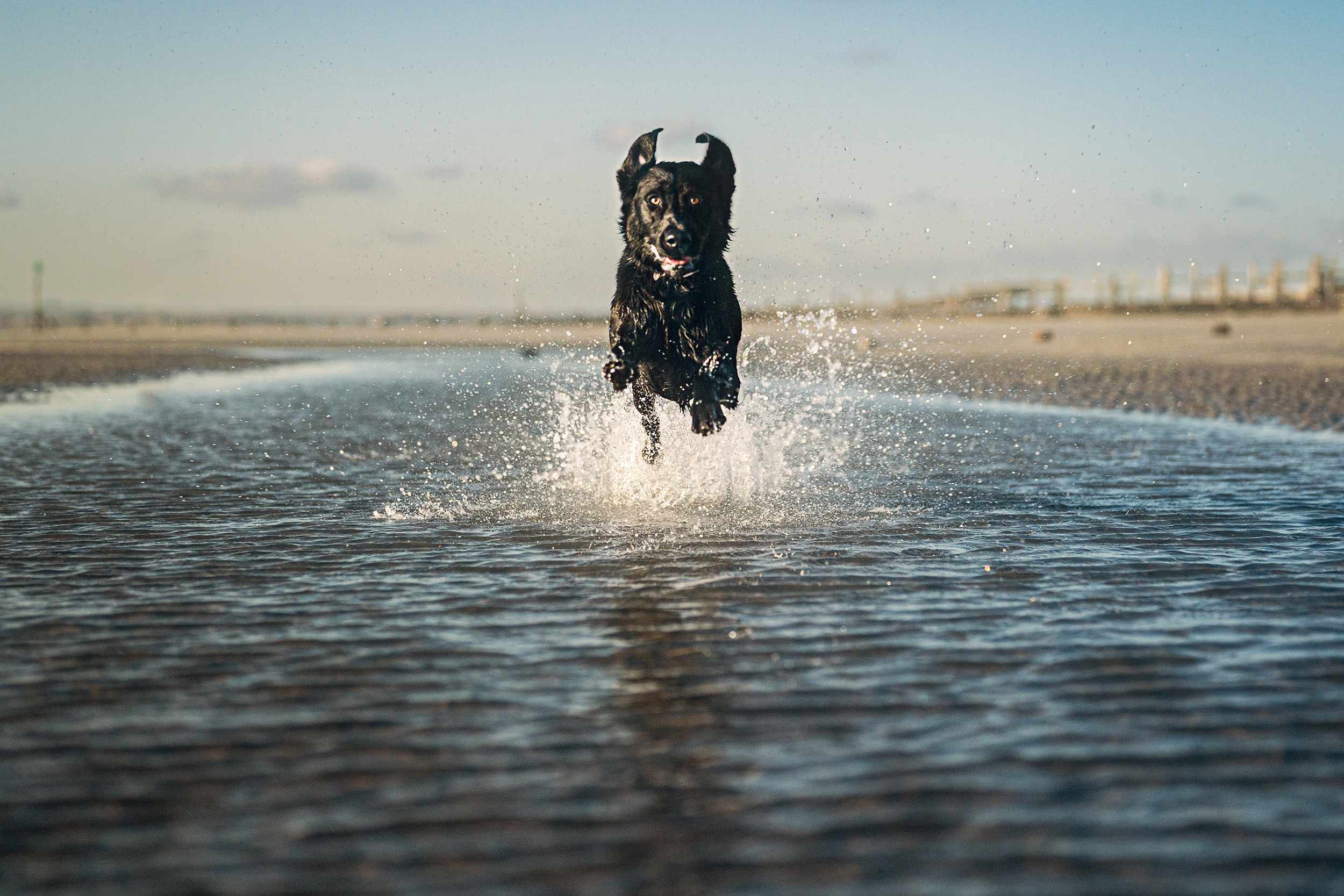 © Kate Kirkman | Sony α9 II + FE 50mm f/1.4 GM | 1/1000s @ f/1.8, ISO 160
Portrait Basics
You can use the same portrait principles whether you are photographing pets or people. The eyes are the most essential feature, so try to have them looking into the lens. Putting a toy or something on top of your lens or camera's accessory shoe can help draw attention.
You will also generally want to get down to eye level, which is made easier by using the Vari-Angle screen on the Sony camera. You can also use the same tricks filmmakers and photographers use to change how the viewer feels about your pet. Getting down lower than eye-level and shooting slightly up can make your pet look taller and more powerful or imposing, whilst looking slightly down on them will make them look more vulnerable.
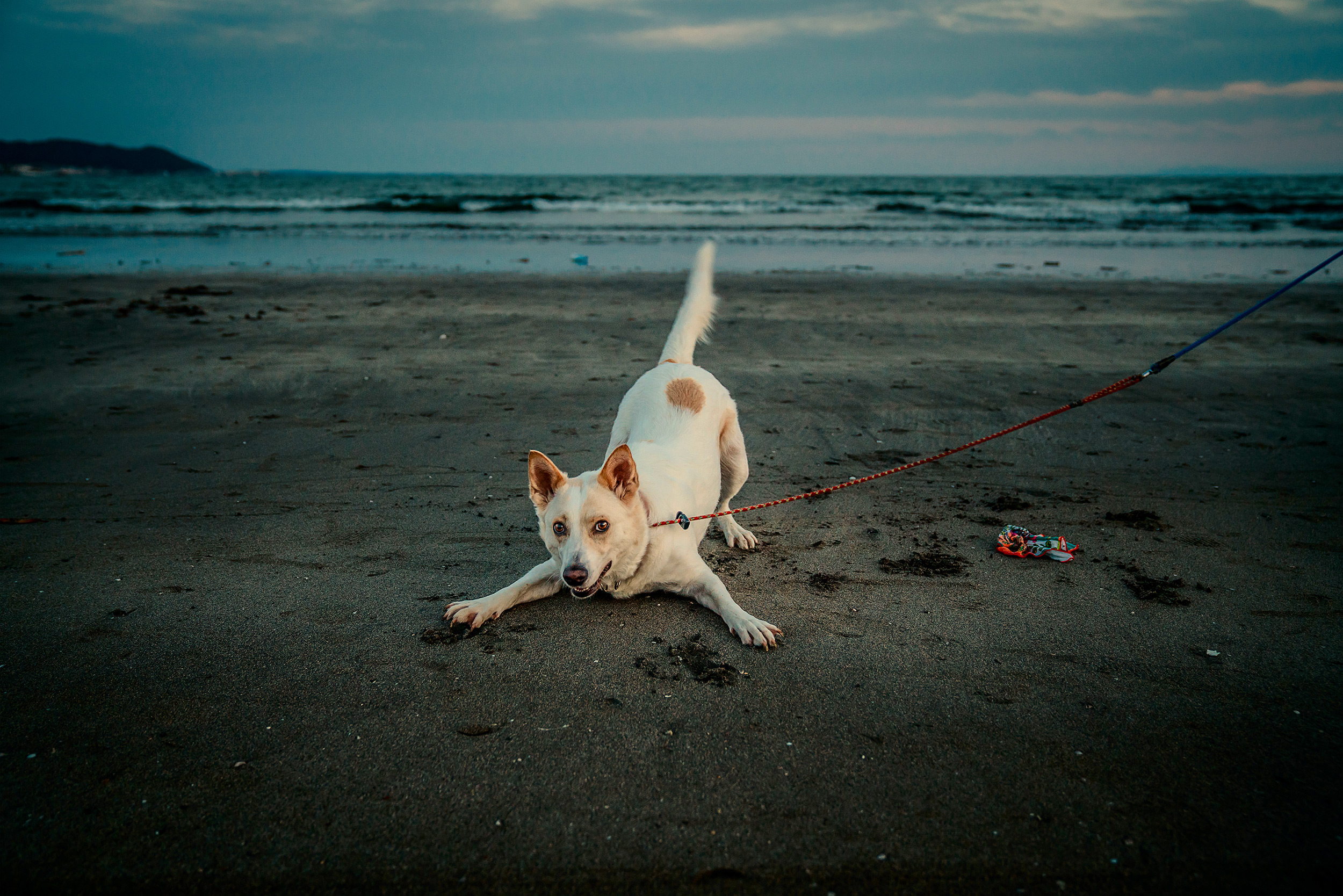 © Gabor Erdelyi | Sony α7R III + FE 24-70mm f/2.8 GM | 1/250s @ f/3.2, ISO 1000
Lenses
The lens choice will depend significantly on the size of your subject. However, the classic 85mm portrait focal length works well for dogs, so the Sony FE 85mm f/1.4 GM II lens is an excellent option for blurring the background with beautiful bokeh, whilst keeping eyes and fur pin-sharp. For those on a budget, the FE 85mm f/1.8 is an excellent choice, offering a compact design that makes it easy to take with you for location images.
A 50mm focal length is another good choice, allowing you to get slightly closer to your subject. Once again, there is a suitable option for everyone, with the FE 50mm f/1.2 GM being the pinnacle of image quality and offering stunningly smooth background bokeh. The 50mm f/1.4 GM offers the classic portrait look with an f/1.4 aperture, while the FE 50mm f/1.8 is the most affordable full-frame lens in the FE mount lineup. Finally, the FE 50mm f/2.8 Macro will allow you to get close to smaller pets.
The classic Sony 24-70mm f/2.8 GM II offers versatility. Finally, the Sony FE 70-200mm f/4 Macro G OSS II lens macro capabilities that enable it to be used for a variety of subjects, including portraits of smaller pets from a comfortable distance.
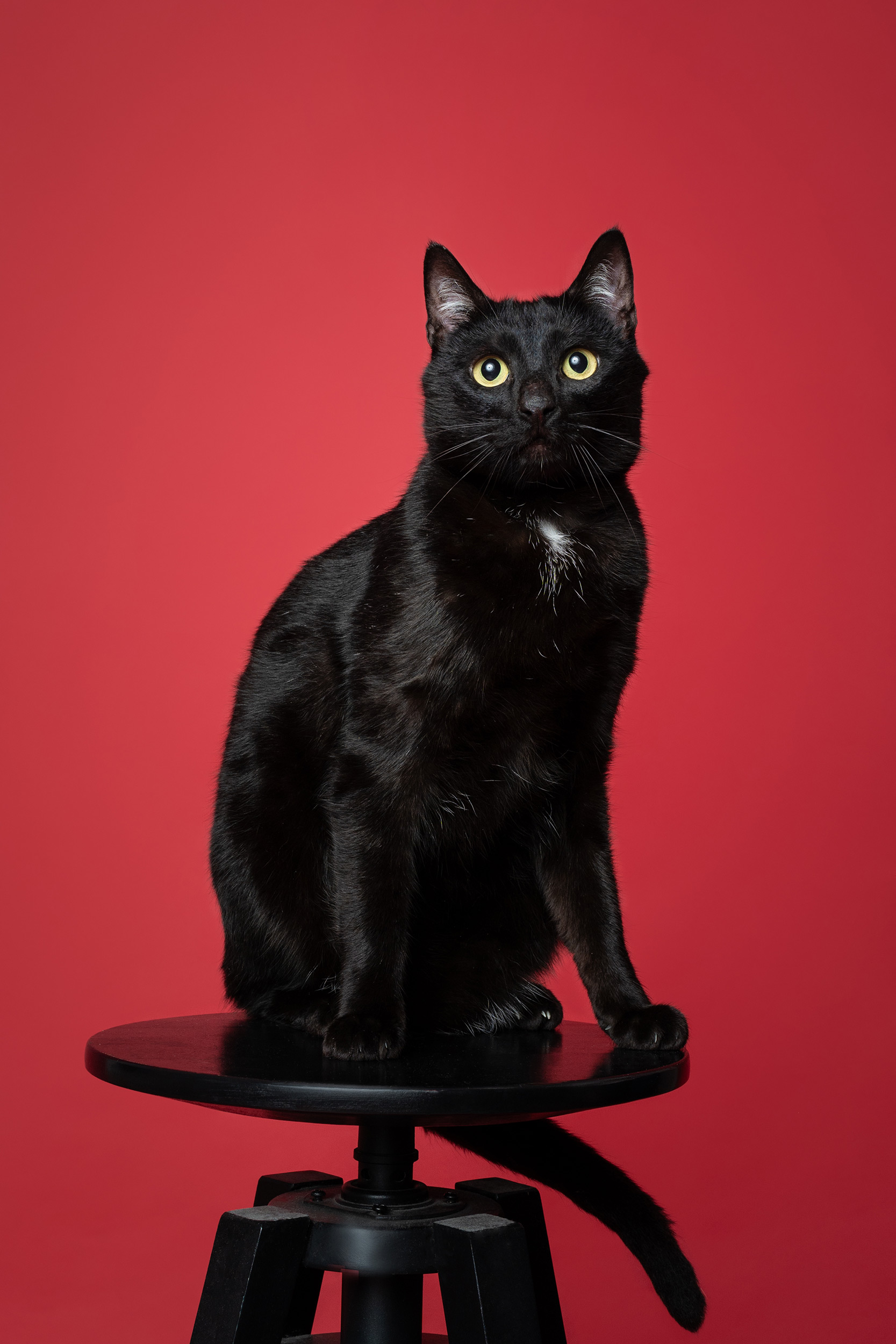 © Amanda Teixeira | Sony α7 IV + FE 50mm f/1.2 GM | 1/160s @ f/10, ISO 400
Exposure Settings
Whether you are shooting in a studio setup, at home or outside, you will want to focus the attention of your image on your subject and not the background. Use a large aperture to blur the background and a fast shutter speed of at least 1/250th second to account for any small movements that your pet might make. If you plan to take action shots of your pet, such as a dog jumping to catch a treat in its mouth, you will want to use a shutter speed of 1/1000th sec to freeze the action. Use an appropriate ISO sensitivity to allow you to use these exposure settings or set your Alpha camera to Auto ISO.
Be Patient
Finally, be patient. Photographing pets can be challenging, and it could take some time to get the shots you want. It is important not to rush and keep a calm environment for your pet. And remember to take a break or try another day if it isn’t working - the well-being of your pet is always the most important thing.
Summary
- Silent Mode: Turn on silent mode to avoid distracting your pet with camera sounds
- Subject Recognition or Animal Eye AF: Use these modes to keep your pet's face in sharp focus.
- Eye-Level: Get down to their eye level using your camera's vari-angle screen for better perspective
- Shutter Speed: Shoot at 1/250s or faster to freeze any sudden movements
- Aperture: Use a wide aperture to blur backgrounds
- Have some help: Have someone to help manage your pet so you can concentrate on shooting.
- Lenses: The 85mm and 50mm focal lengths are good all-around options with the Sony FE 85mm f/1.4 GM II and 50mm f/1.8 lenses offering great choices at opposite ends of the spectrum.
- Focus on the eyes: Use toys near your camera to direct their gaze toward the lens.
- Be patient: Take breaks if your pet gets stressed or overwhelmed.


