
Alpha 7 IV | Nature Reserve at Helgoland
Gustav Kiburg
My name is Gustav Kiburg, a nature photographer from Rotterdam and I have been a Sony ambassador for 10 years. I started out as an amateur photographer 25-30 years ago but I am now what you could call a professional nature photographer. Nature photography has always attracted me because with each project you get to explore and immerse yourself in a new location and witness its beauty. In addition to photography, I do a lot of lectures and I work in camera shops or at trade fairs to give advice on photography. I enjoy helping people with photography and guide them in their own journey.
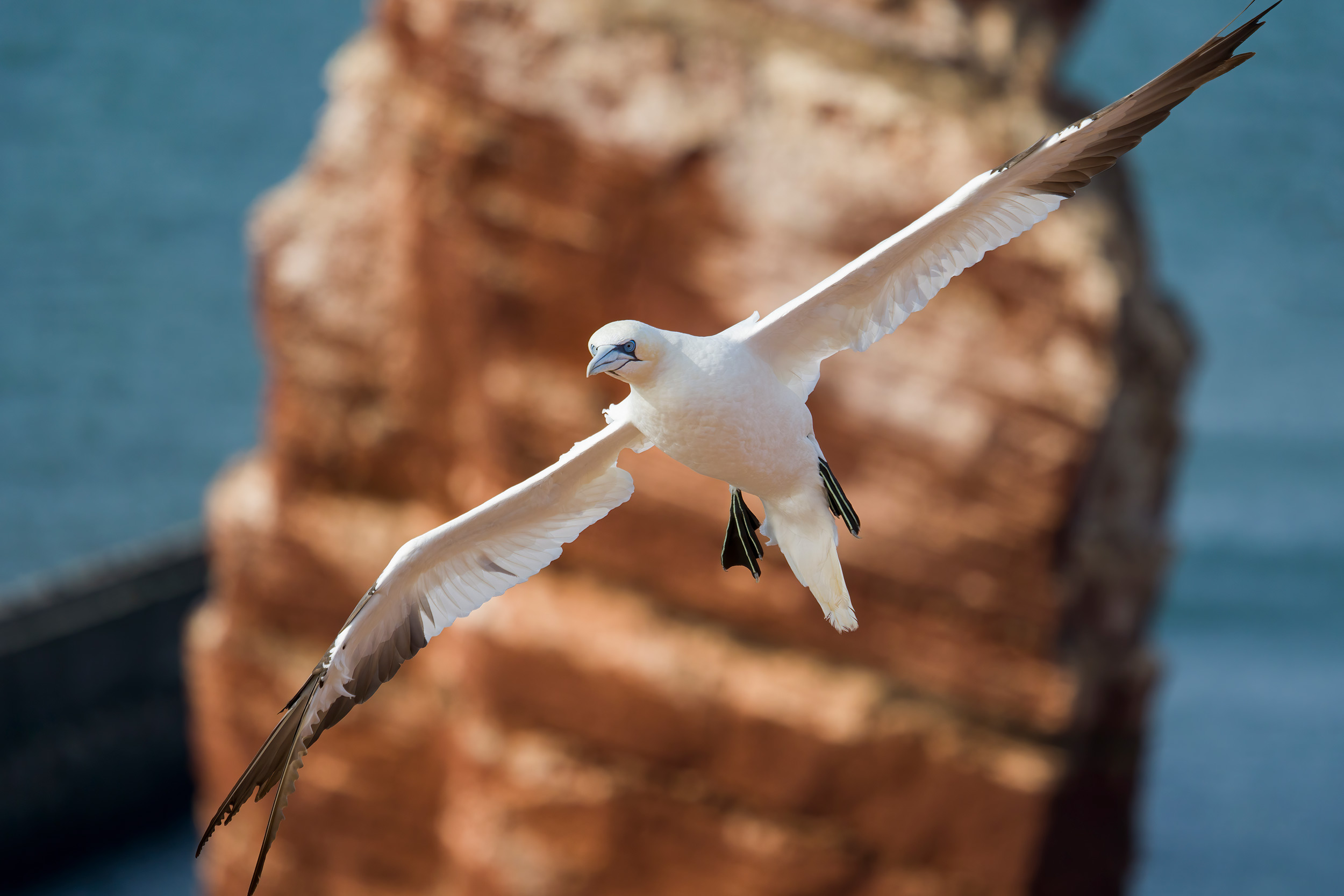 © Gustav Kiburg | Sony α7 IV + FE 100-400mm f/4.5-5.6 GM OSS | 1/3200s @ f/5.6, ISO 640
What were your first impressions of the Alpha 7 IV?
When I heard about the improvements and new features included in the Alpha 7 IV, I was already excited! The most important thing for me is the new 33 megapixel sensor. In Nature photography, you need the extra pixels to be able to crop in and my main camera is the Alpha 1 so I am used to having the extra resolution. Another important improvement is the animal and bird eye detection. It is key in my field of photography to have a reliable autofocus that can keep up with fast action and it pairs well with the 10fps continuous shooting. And talking about fast shooting, the new buffer size and fast clearance is part of my third point – how it operates. This feels like a new shooting experience for nature photographers. The new joystick, the new menu, the new screen and the improved buffer make it so much better to handle and improve the shooting process.

How will these new features impact the type of photography that you do?
As I mentioned, the increase in resolution and overall, a faster autofocus and enjoyable shooting experience make it easier to capture fast moving subjects in the wild, especially birds. You cannot always predict where birds fly and being able to rely on technology a bit more means I have more chances to capture the perfect shot. All these small improvements make the process of capturing and sharing your pictures much easier, which is essential. You want to have a good time taking pictures in nature and be motivated to plan onto your next photographic adventure.
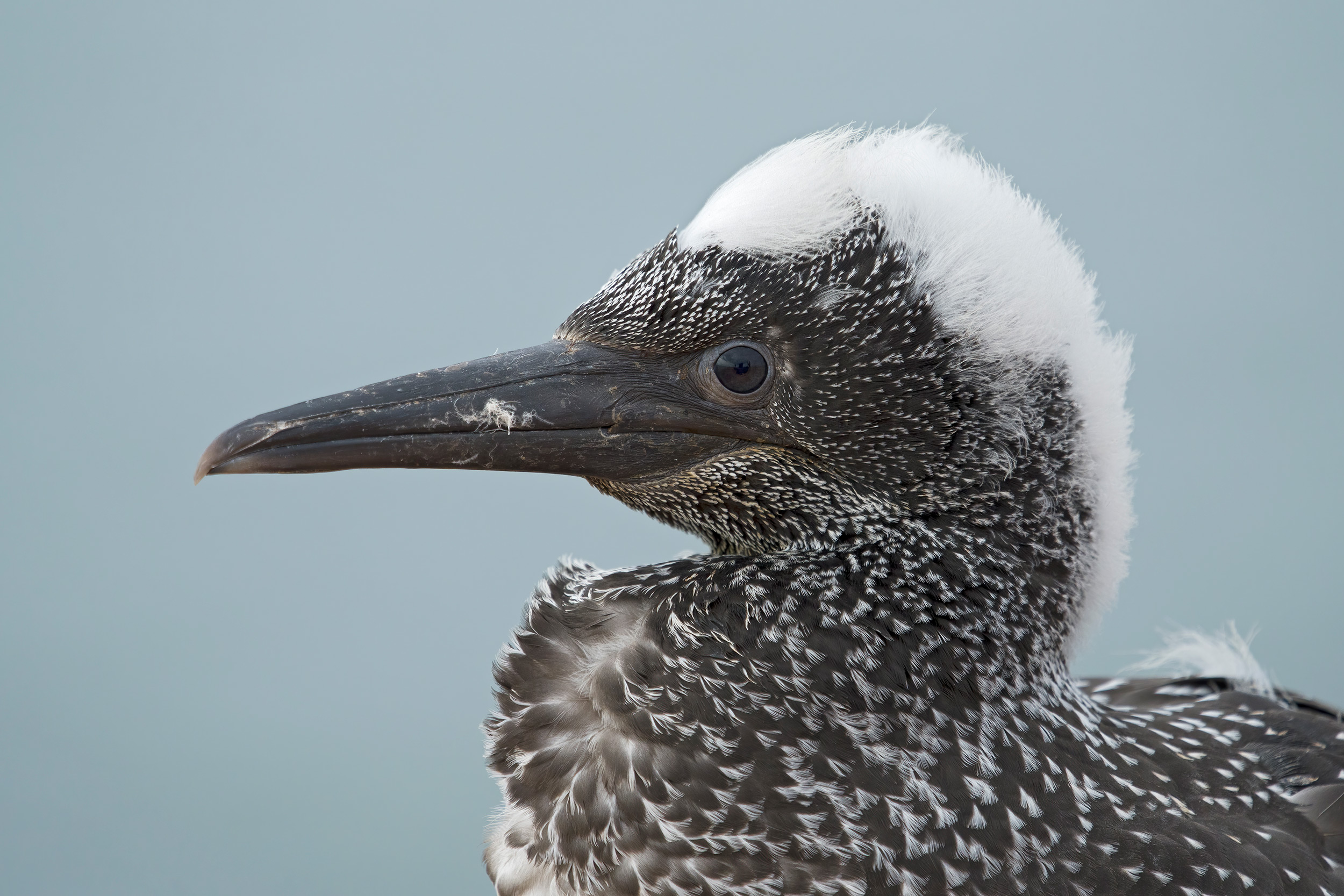 © Gustav Kiburg | Sony α7 IV + FE 100-400mm f/4.5-5.6 GM OSS | 1/2500s @ f/5.6, ISO 1000
The Alpha 7 IV aims to redefine what photography enthusiasts and video content creators should expect – Do you think it achieves this goal?
This camera for me is the equivalent of what the Alpha 1 is for professionals; it is like a mini Alpha 1, so in that sense, Sony have achieved the goal of providing the best technology and making it accessible. In bird shooting scenarios, it is very difficult to get sharp results when you are less experienced. With the type of autofocus included in the Alpha 7 IV, it makes it easier for more people to get sharper bird images and help them focus on other aspects of photography, like composition and exposure. It becomes your best companion if you have a passion for nature photography and helps you get even more excited with what you do.
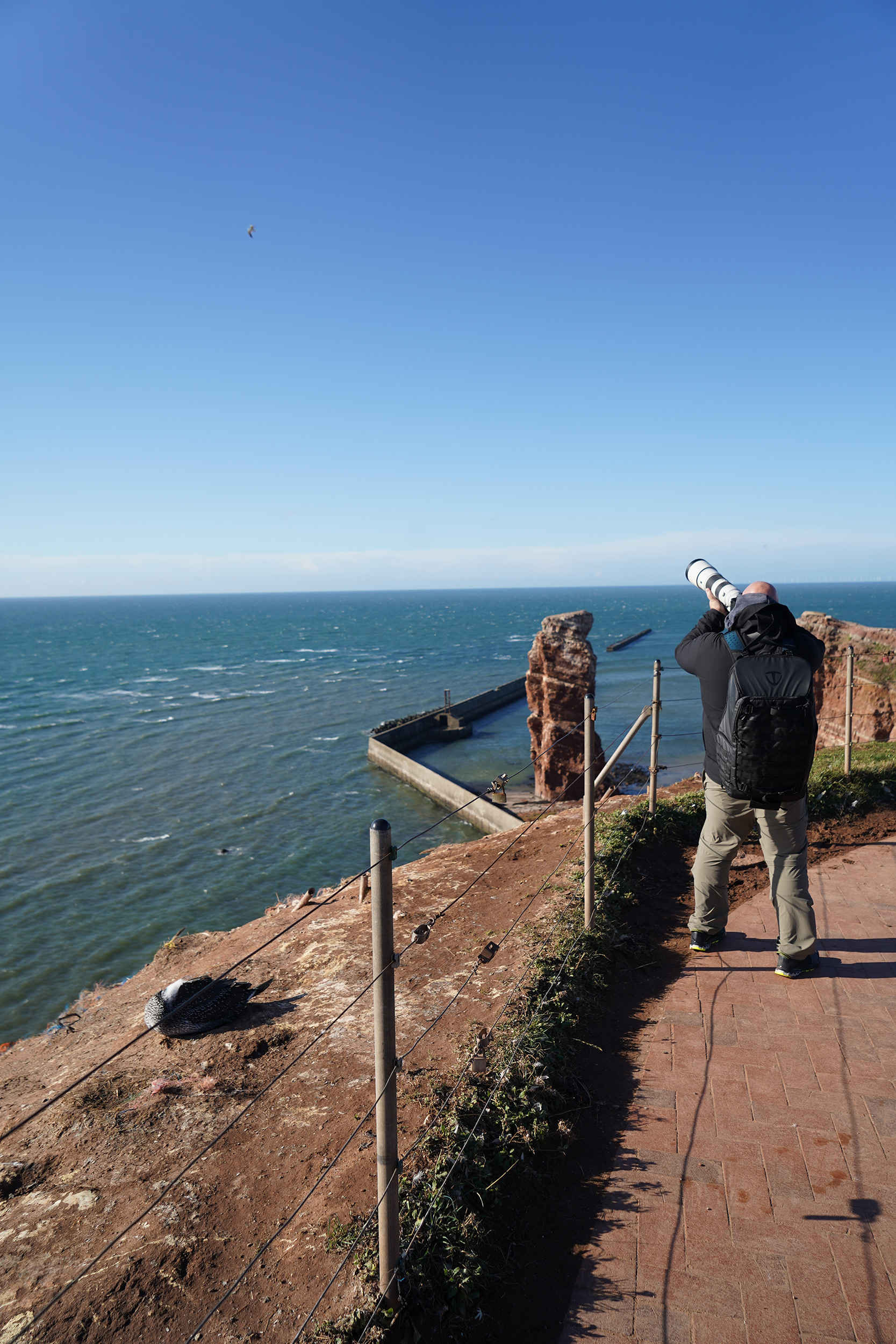
Lenses & accessories are another core component of creating images – Which Sony lenses and accessories did you use for your initial test and why?
For bird photography, I use the Sony telephoto zoom lenses as I need both reach and flexibility. The ones I have used the most are the FE 100-400 f/4.5-5.6 GM OSS and the FE 200-600mm f/5.6-6.3 G OSS as they are both stabilised and help you get sharper results. The FE 200-600mm is really useful if you want to be discreet and take pictures from further away or take pictures of shy animals like seals. It has the perfect weight and handling balance on Sony cameras and the autofocus motors are designed to take full advantage of the camera technology. The FE 100-400mm f/4.5-5.6 GM OSS on the other hand is useful for birds in flight, as it has the G Master quality and speed that is incomparable to other similar lenses out there. I can trust it to perform and gives me the shots I want.
An additional benefit using both lenses is the ability to use the 1.4x and 2x teleconverters. As the Alpha 7 IV has full autofocus capabilities down to f/22, it is perfect for bird photography because you can fully utilise the teleconverters and the full power of the autofocus system together.
 © Gustav Kiburg | Sony α7 IV + FE 100-400mm f/4.5-5.6 GM OSS | 1/8000s @ f/5.6, ISO 1000
What advice would you give aspiring photographers or content creators who look up to you and your work?
My main advice for nature enthusiasts or photographers in general is to go outside as much as possible. The more you take your equipment with you and try to get images, the more you will learn how it behaves and it will teach you how to get the best out of it. Shoot outside when it is bad weather – or mainly because it is bad weather! It will teach you that there are no days where you can’t be creative with your photography and make memories. The more you go out and create, the more chances you will get to capture unique moments in nature.
 © Gustav Kiburg | Sony α7 IV + FE 100-400mm f/4.5-5.6 GM OSS | 1/1600s @ f/5.6, ISO 800
Any last words or advice for our readers?
Every photo has a story – Go outside and make memories. Even if you think on the spot that the photo is not extraordinary, seeing it years after will take you back to the story of that picture. To me, this is as important as the picture itself, so do not let any opportunities to capture your experiences go.
Featured products


Gustav Kiburg | Netherlands
"Bad weather is colour weather"