
Autumn in Motion
Paul Browning
When Sony handed me the new Alpha 7 V and asked me to put it through real wildlife conditions, I knew exactly how I wanted to test it: small woodland birds, fast raptors, unpredictable weather and fleeting behaviour across the English countryside in autumn.
As a wildlife photographer, I rely on speed and precision more than anything else. If the autofocus misses, if the shutter lags, or if the dynamic range can’t handle a bright sky and dark forest in the same frame, those once-in-a-lifetime moments are gone.
Over the course of this project, the Alpha 7 V followed me through Windsor Great Park, along the riverbanks of Hampshire, and out to the South Coast. I worked in golden light, deep shade, heavy rain and wind, with species that rarely sit still for more than a second. The camera not only kept up, it changed the way I approached those moments.
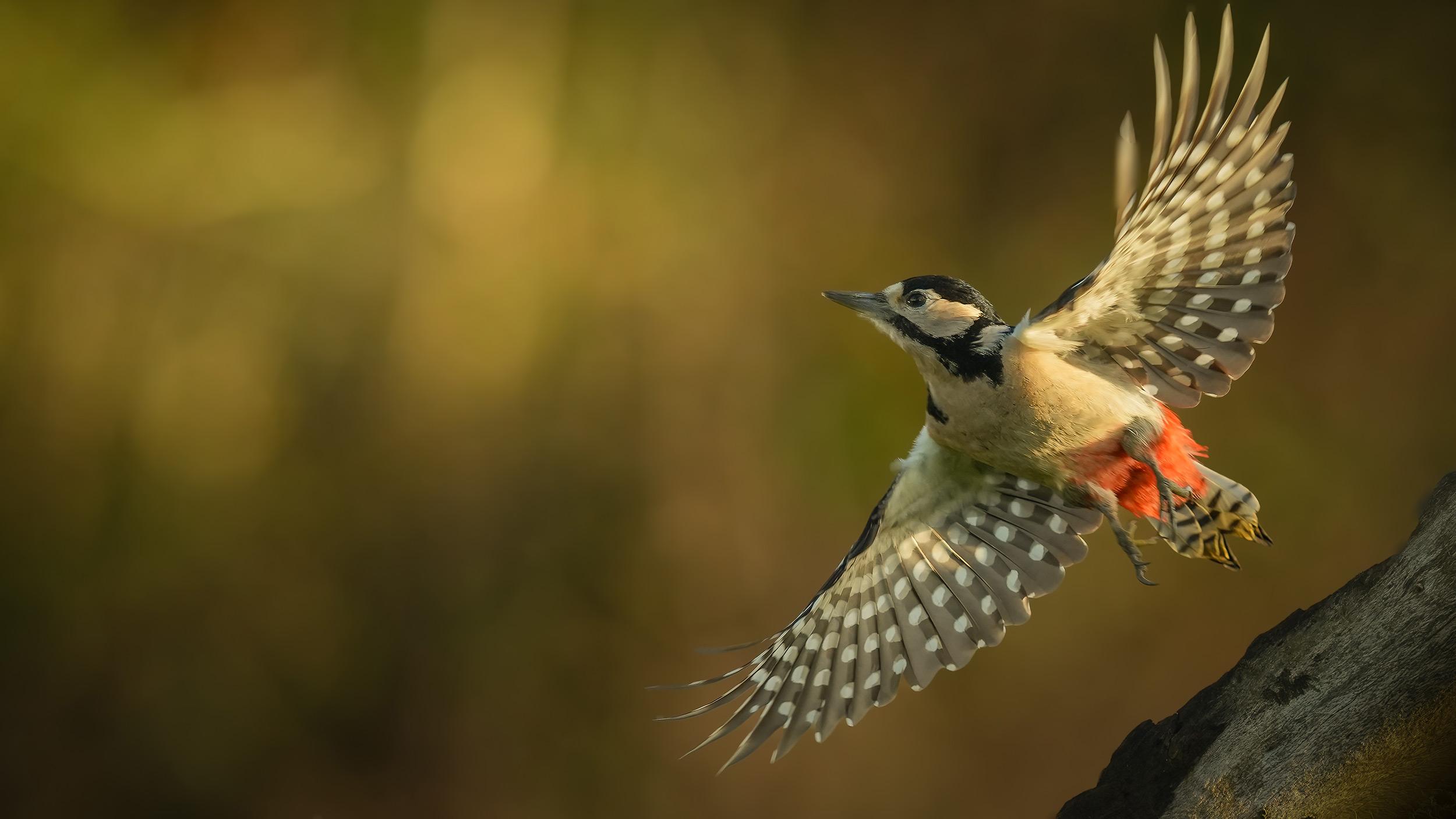 © Paul Browning | Sony α7 V + FE 400mm f/2.8 GM OSS | 1/2000s @ f/3.5, ISO 1000
Woodland Birds in Windsor Great Park
I started deep inside the woodlands of Windsor Great Park. Autumn colour was just starting to burn through the canopy, with greenfinches, goldfinches, woodpeckers, blue tits and great tits darting between branches. The weather couldn’t make up its mind: soft shafts of sunlight one minute, heavy cloud and drizzle the next.
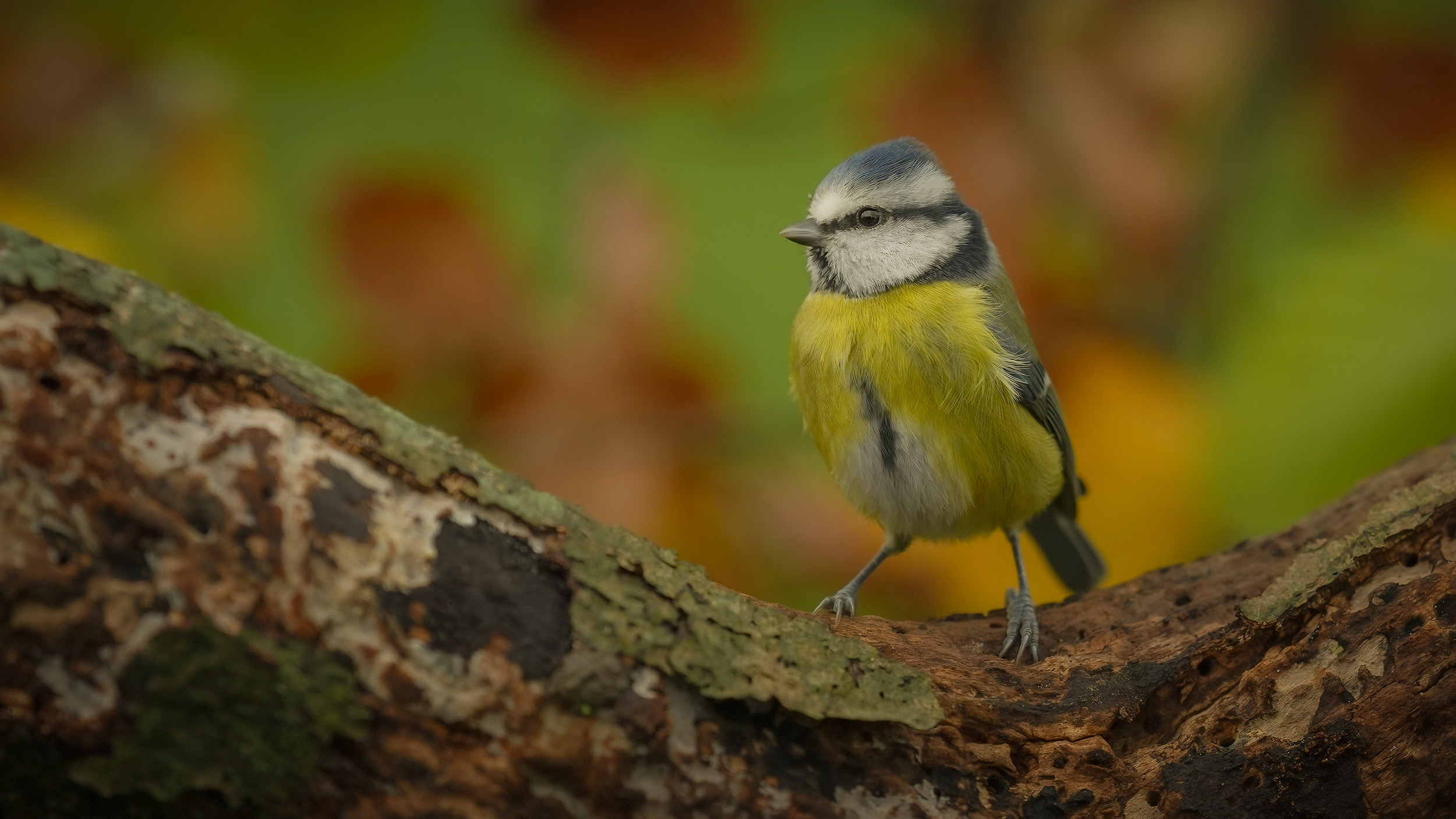 © Paul Browning | Sony α7 V + FE 400mm f/2.8 GM OSS | 1/1250s @ f/3.5, ISO 500
It was the perfect place to test the AI-powered autofocus. The Alpha 7 V recognised and tracked small birds even when they moved through dense branches or pockets of contrasty light and shadow. What impressed me most was how confidently it kept tracking when a bird slipped behind a tree or vanished into foliage for a moment, only to reappear on the other side. The tracking box stayed locked, and the camera felt like it always knew where my subject was.
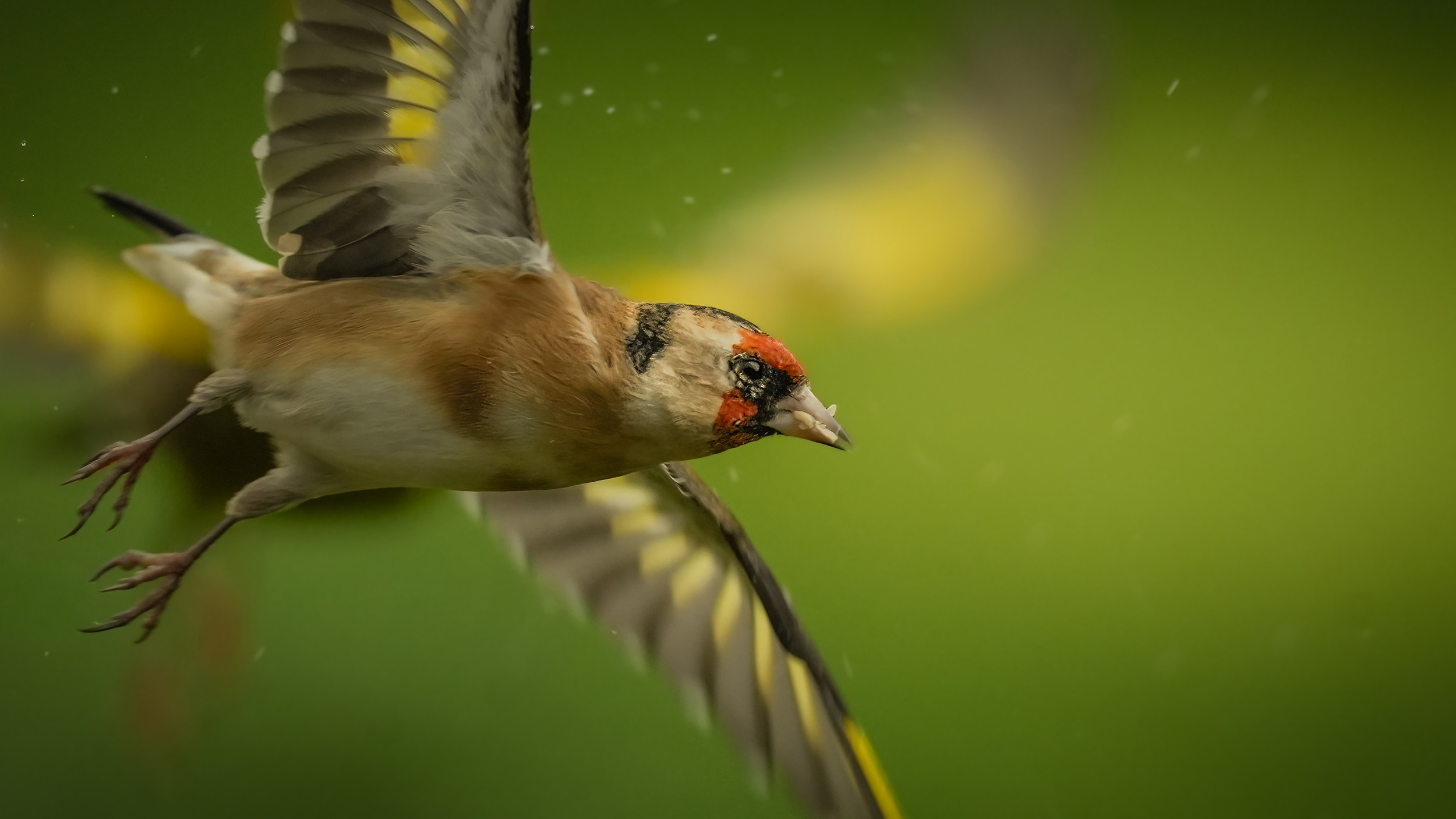 © Paul Browning | Sony α7 V + FE 300mm f/2.8 GM OSS | 1/2000s @ f/4.5, ISO 2000
Pair that intelligence with 30fps blackout-free bursts, and suddenly chaotic woodland scenes became manageable. Following a fast bird weaving through the trees felt fluid and uninterrupted, with no viewfinder blackout breaking my concentration. The 33 MP partially stacked sensor gave a fast readout and clean, detailed files that handled both motion and fine feather texture beautifully.
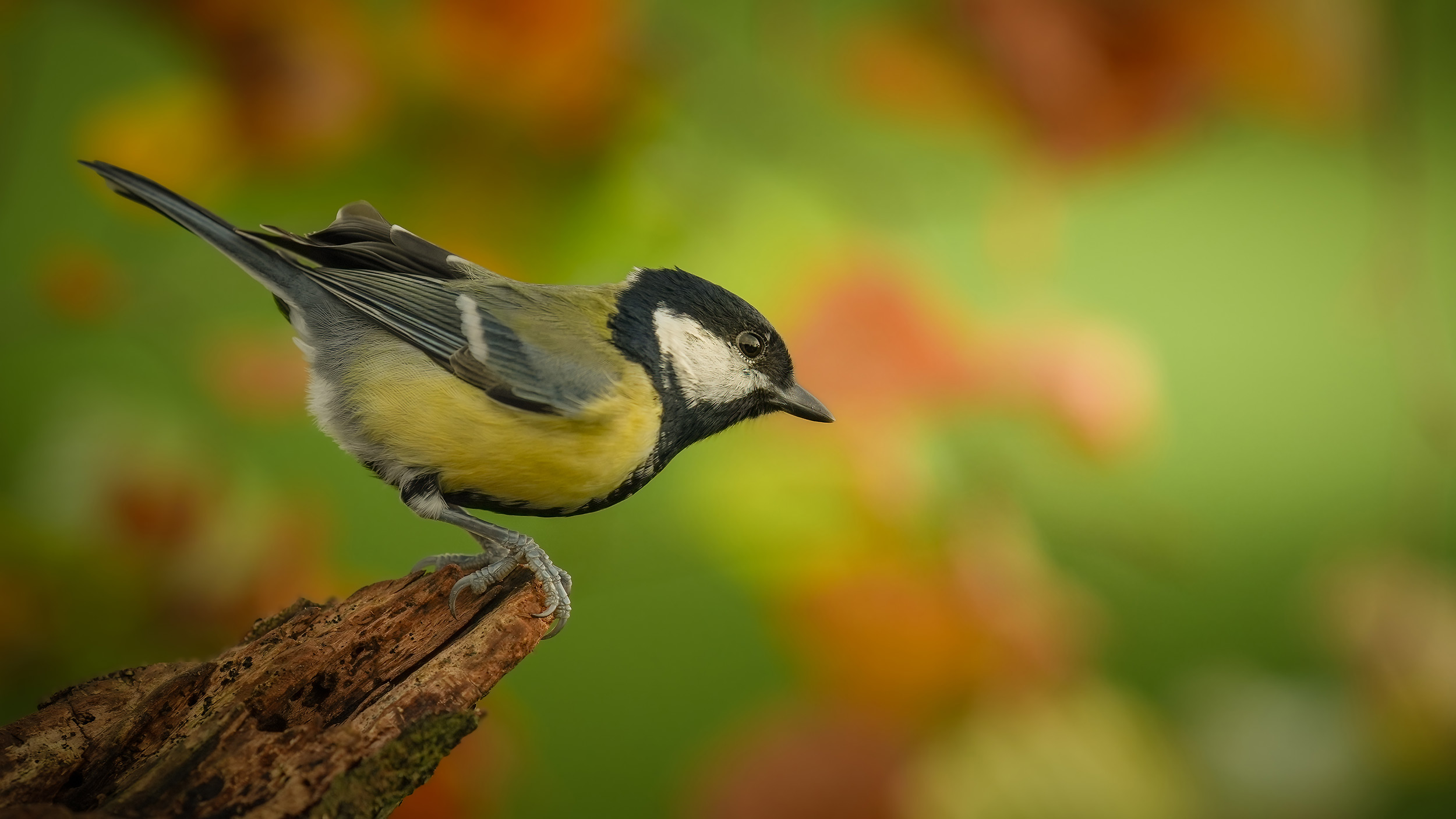 © Paul Browning | Sony α7 V + FE 400mm f/2.8 GM OSS | 1/1600s @ f/3.5, ISO 400
Rain, Deer and a Real-World Stress Test
My second day in Windsor was a complete contrast: torrential rain from morning to afternoon. The kind of sideways autumn rain that soaks through layers and turns every leaf into a reflective surface.
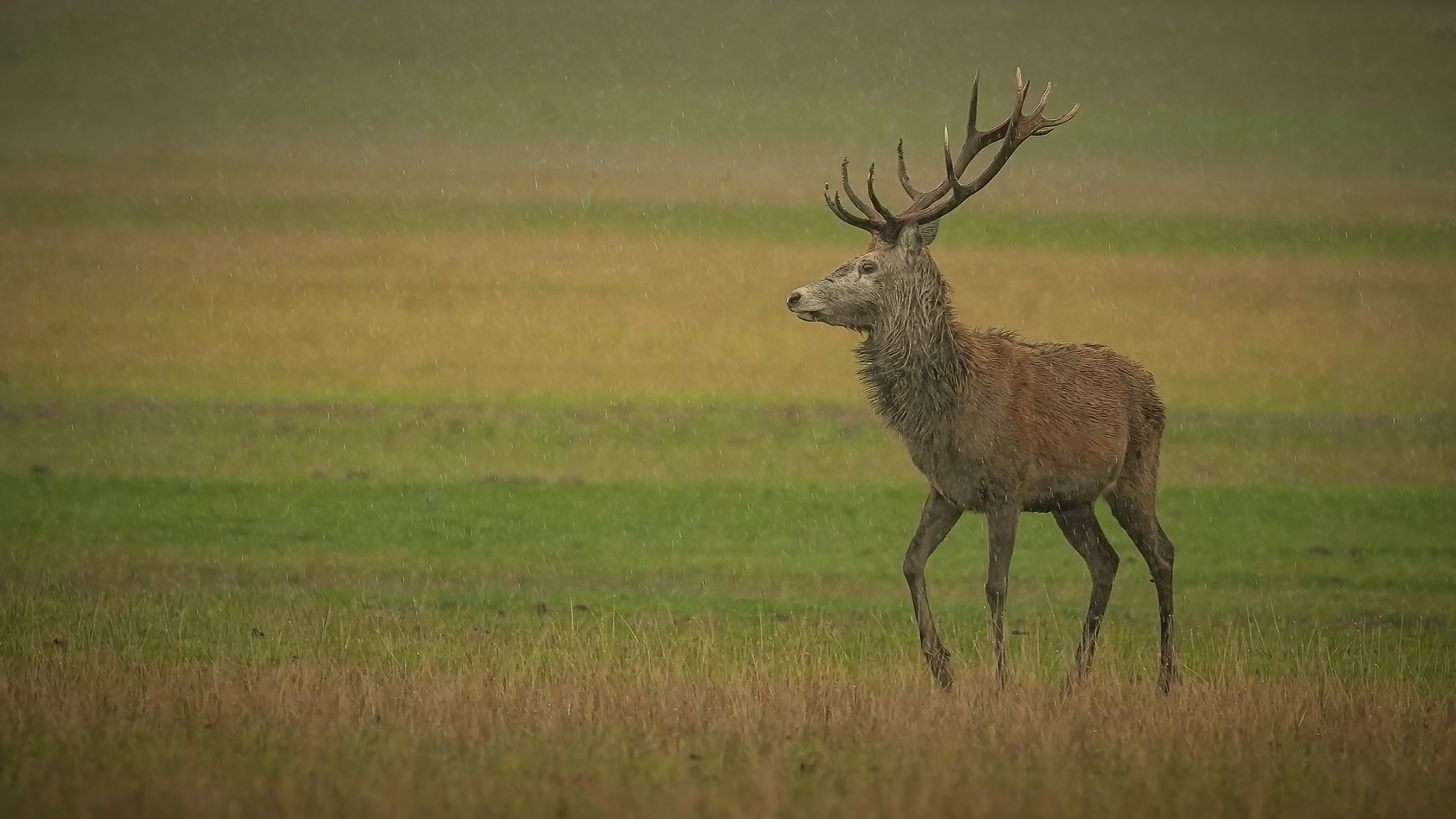 © Paul Browning | Sony α7 V + FE 400mm f/2.8 GM OSS | 1/500s @ f/4.0, ISO 800
Between filming interview segments, I focused on the red deer moving through the mist and rain-soaked bracken. This was a great test of dynamic range and reliability. The Alpha 7 V’s 16-stop dynamic range preserved detail in dark wet coats, bright sky openings and the deep shadows under the trees. Even at higher ISOs in the gloomier moments, the files stayed clean and natural.
This day also highlighted how important the new 4-axis multi-angle screen is for wildlife. Low-angle shooting is a huge part of my work, whether I’m photographing deer in the rain or small birds hopping along the forest floor. Being able to flip, tilt and rotate the screen in almost any direction meant I could keep the camera low while staying hidden behind it, adjusting the angle without drawing attention to myself. It sounds like a small thing, but in the field it’s a big quality-of-life upgrade.
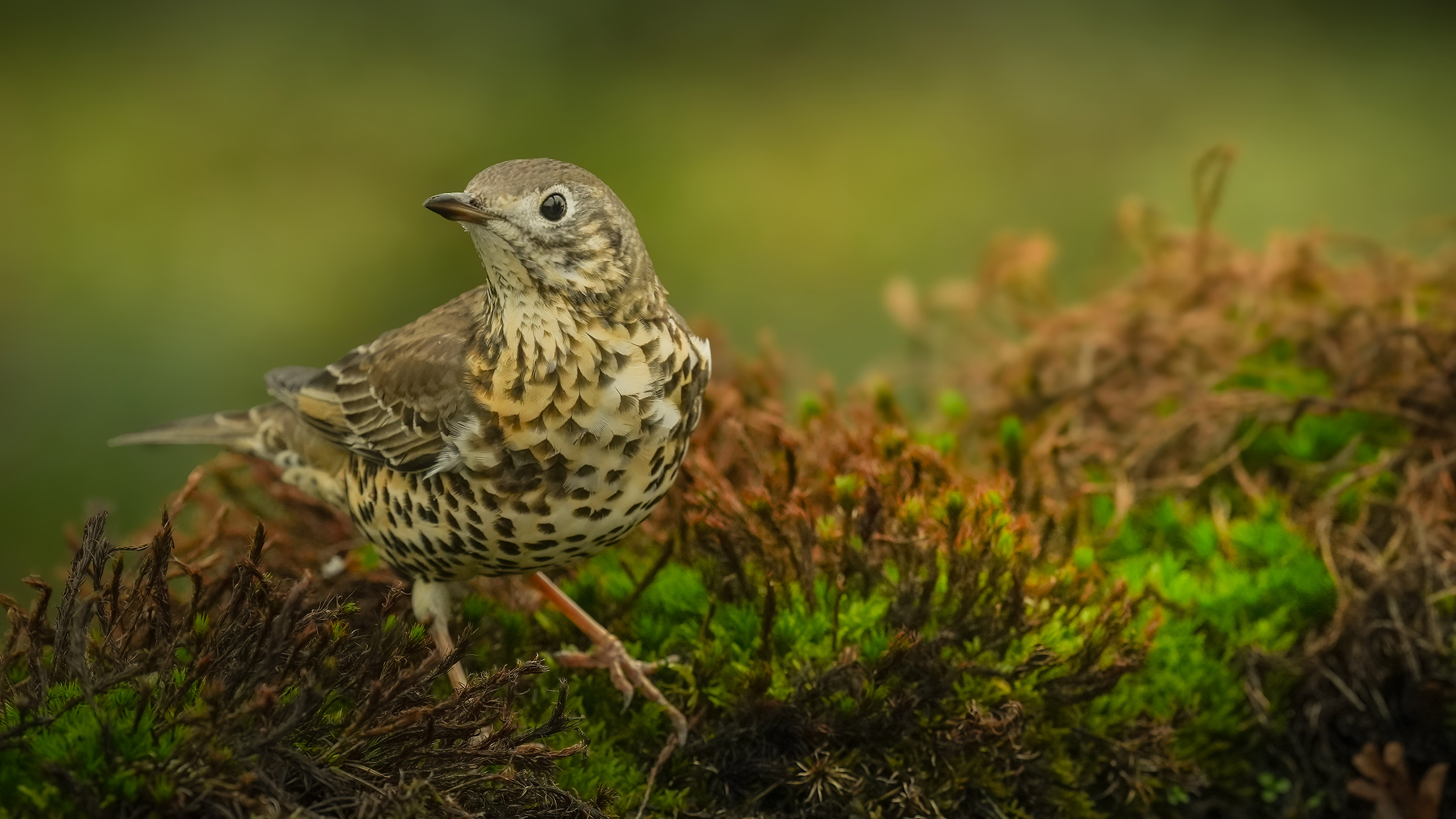 © Paul Browning | Sony α7 V + FE 400mm f/2.8 GM OSS | 1/1600s @ f/3.5, ISO 400
Kingfishers on the Hampshire Riverbanks
After Windsor, I moved to the riverbanks of Hampshire, where I spent three days focusing on kingfishers – a species that always tests autofocus, colour handling and timing.
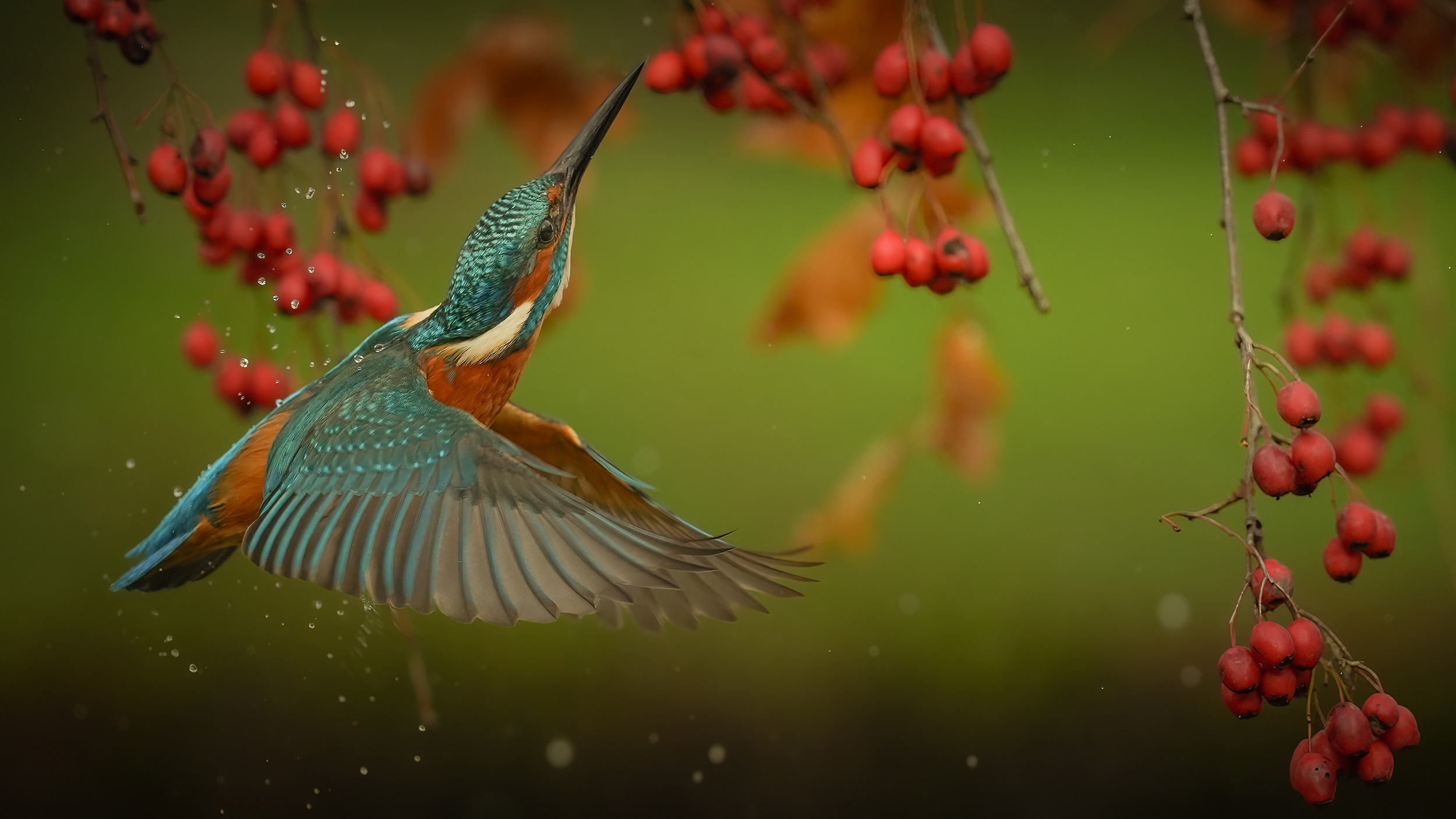 © Paul Browning | Sony α7 V + FE 300mm f/2.8 GM OSS | 1/3200s @ f/4.5, ISO 800
The rivers were lined with red berries and autumn leaves, creating a beautiful contrast to the blues and greens of the birds. Early mornings meant low, soft light, and as the day developed, reflections on the water became more challenging but the Alpha 7 V handled it all comfortably. The AI AF locked onto kingfishers perched in tangle of branches and tracked them as they launched, while Extended RAW processing and the sensor’s dynamic range let me recover highlights on sunlit water and lift detail from shaded banks without the image falling apart. This is where the fast shutter really shone. Being able to push speeds up towards 1/16000 sec let me freeze mid-air dives and wingbeats sharply, even when the light bounced strongly off the water.
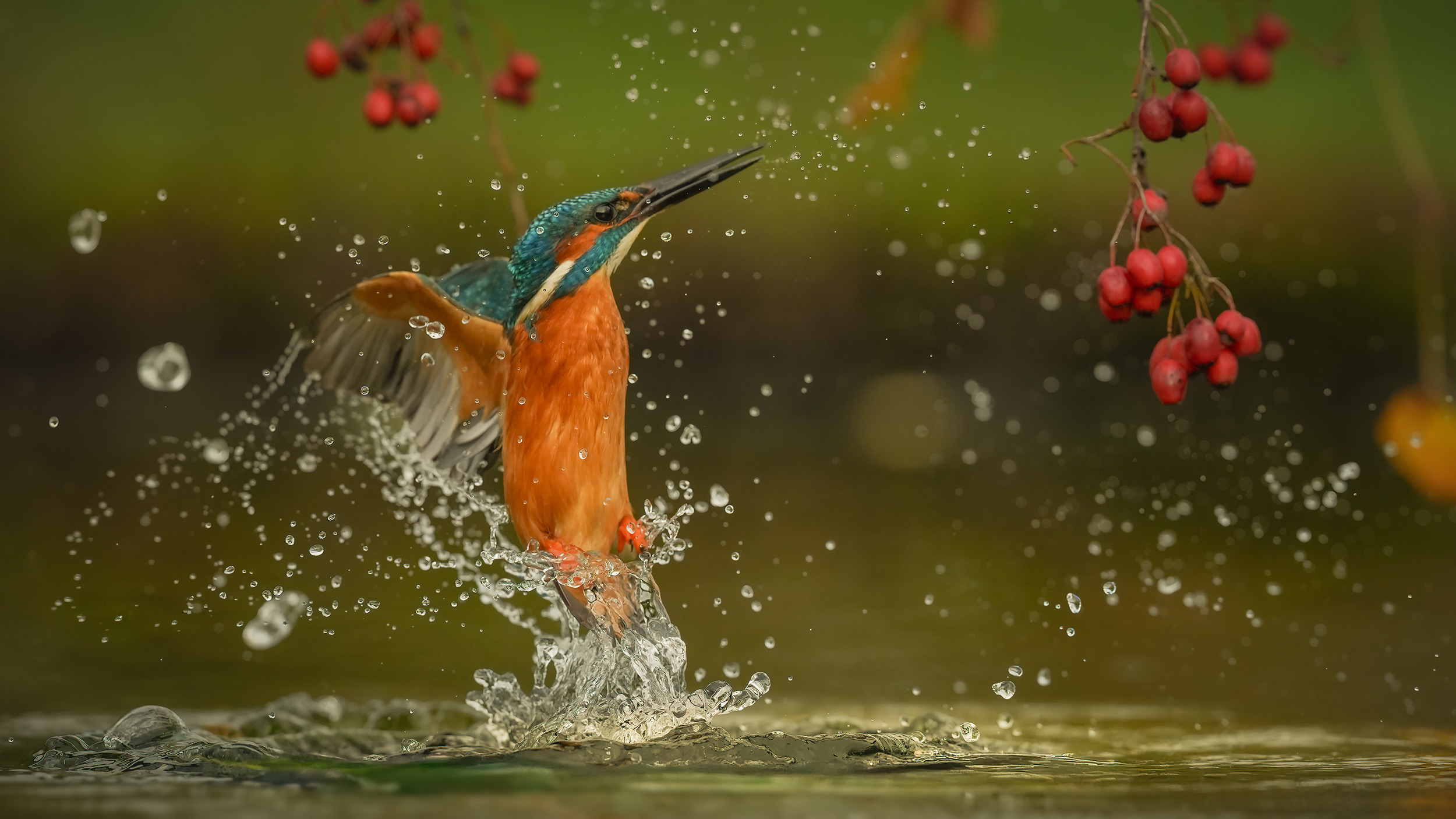 © Paul Browning | Sony α7 V + FE 300mm f/2.8 GM OSS | 1/3200s @ f/4.5, ISO 800
South Coast: Kestrels, Wind and a Green Woodpecker First
I finished my adventures on the South Coast, where strong winds and open landscapes offered a very different challenge. Kestrels were hovering and hunting, adjusting to the gusts, and this was a great test of the camera’s ability to track a subject against busy, moving backgrounds.
The Alpha 7 V stayed locked on as kestrels hovered, shifted, and then suddenly dropped – and the 30fps bursts meant I could pick the exact frame where the posture or wing position felt perfect.
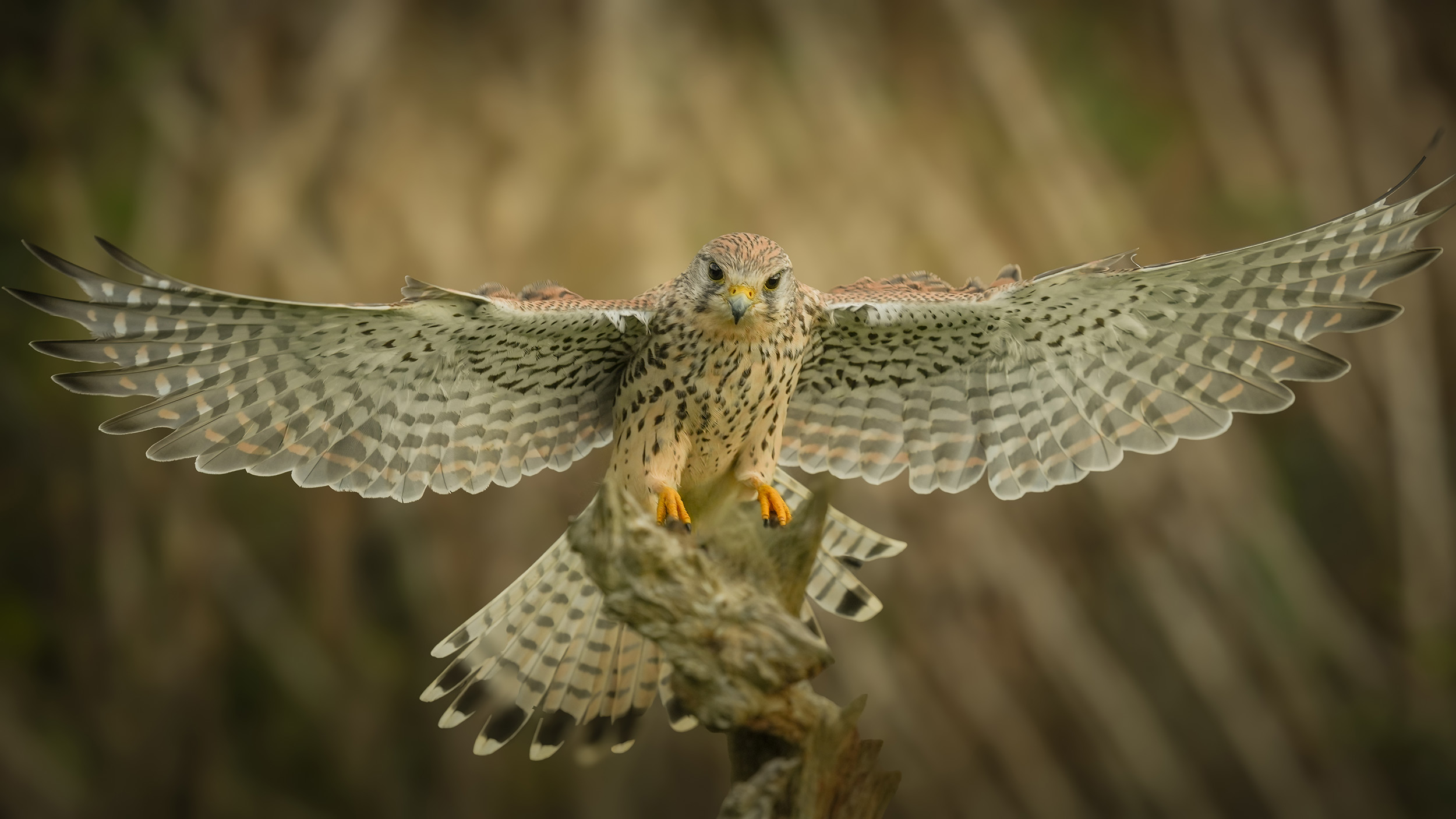 © Paul Browning | Sony α7 V + FE 400mm f/2.8 GM OSS | 1/2000s @ f/5.0, ISO 400
The moment that will stay with me, though, was finally capturing a proper set of images of the green woodpecker. It’s a species that has evaded me for years, and seeing it appear in good light, moving between grass and low perches, felt special. The camera tracked it confidently as it moved through cover, and I walked away with the best images I’ve ever taken of this bird. That combination of fieldcraft, patience and a camera I could trust was exactly what this project was about.
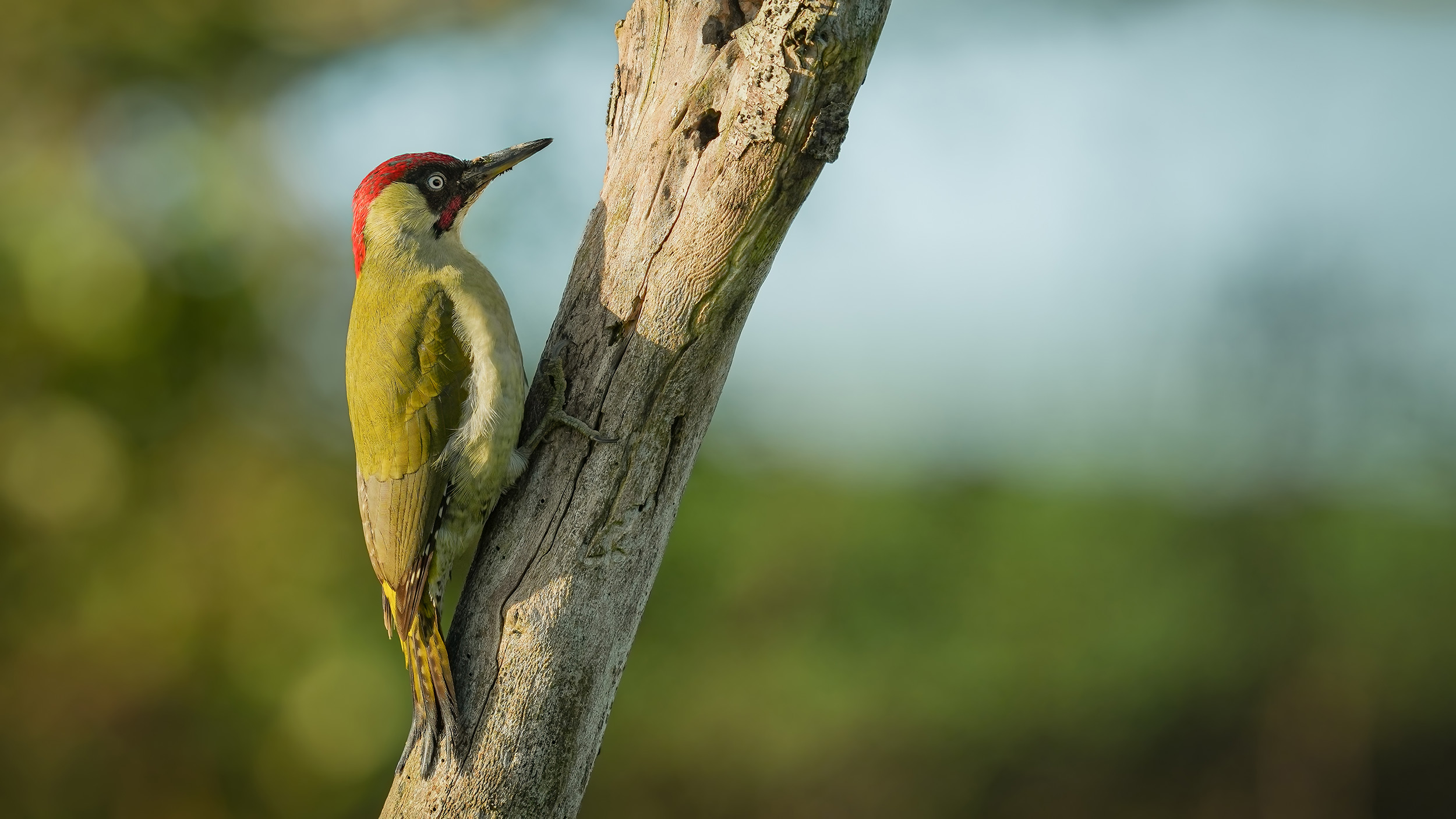 © Paul Browning | Sony α7 V + FE 400mm f/2.8 GM OSS | 1/2000s @ f/4.5, ISO 250
Across forests, rivers and coastlines, one thing became very clear: the Alpha 7 V is built for photographers who don’t get second chances.
For me, it delivered:
- AI intelligence that tracks wildlife through cluttered environments
- 30fps blackout-free bursts that keep up with fast motion
- Pre-Capture that protects those tiny, decisive moments
- A fast 1/16000 sec shutter for freezing action in bright light
- Strong dynamic range and Extended RAW processing for complex scenes
- A genuinely useful 4-axis multi-angle screen for low and awkward angles
- Silent shooting and solid ergonomics that suit long days in the field
Most importantly, it allowed me to focus on what matters most: reading behaviour, being patient and letting nature surprise me. In an autumn full of motion across the English countryside, the Alpha 7 V never missed a beat, and was so much fun to use!
Featured products


Paul Browning | UK
"Photography is more than just a job for me, it’s the way I make sense of the world. I’m never happier than when I’m lying in the dirt, completely still, waiting for that perfect moment of connection between animal and lens."


