
Flying Into the Wild
Uroš Podlogar
Being the photographer for an international helicopter manufacturer has taken Uroš Podlogar to many exciting locations worldwide. This time, a recent project took Uroš and his Sony kit to Maasai Mara, Kenya, to document how Bell Helicopters were being used to help wildlife conservation projects.
 © Uroš Podlogar | Sony α1 + FE 14mm f/1.8 GM | 1/1000s @ f/4.0, ISO 250
“The conservationists do an amazing job. They treat the animals like they are their best friends. You can see and feel how much respect there is between the animals and the people. Being involved in a wildlife project like this is a special feeling, and I want to help and make people more aware of the situation.”
 © Uroš Podlogar | Sony α1 + FE 50mm f/1.2 GM | 1/500s @ f/1.2, ISO 250
The helicopters were used in several ways, including looking for injured animals and monitoring for poachers. However, their primary use was to monitor the population numbers of key wildlife species, including white rhinos.
Although the helicopters formed the project's core, Uroš also spent a few days with his feet firmly planted on the ground, photographing the people and wildlife, including getting up close to apex predators such as lions and rhinos. Uroš was so close that his kit of choice was a combination of the Sony Alpha 1, Alpha 7R V and FE 70-200mm f/2.8 GM OSS II lens.
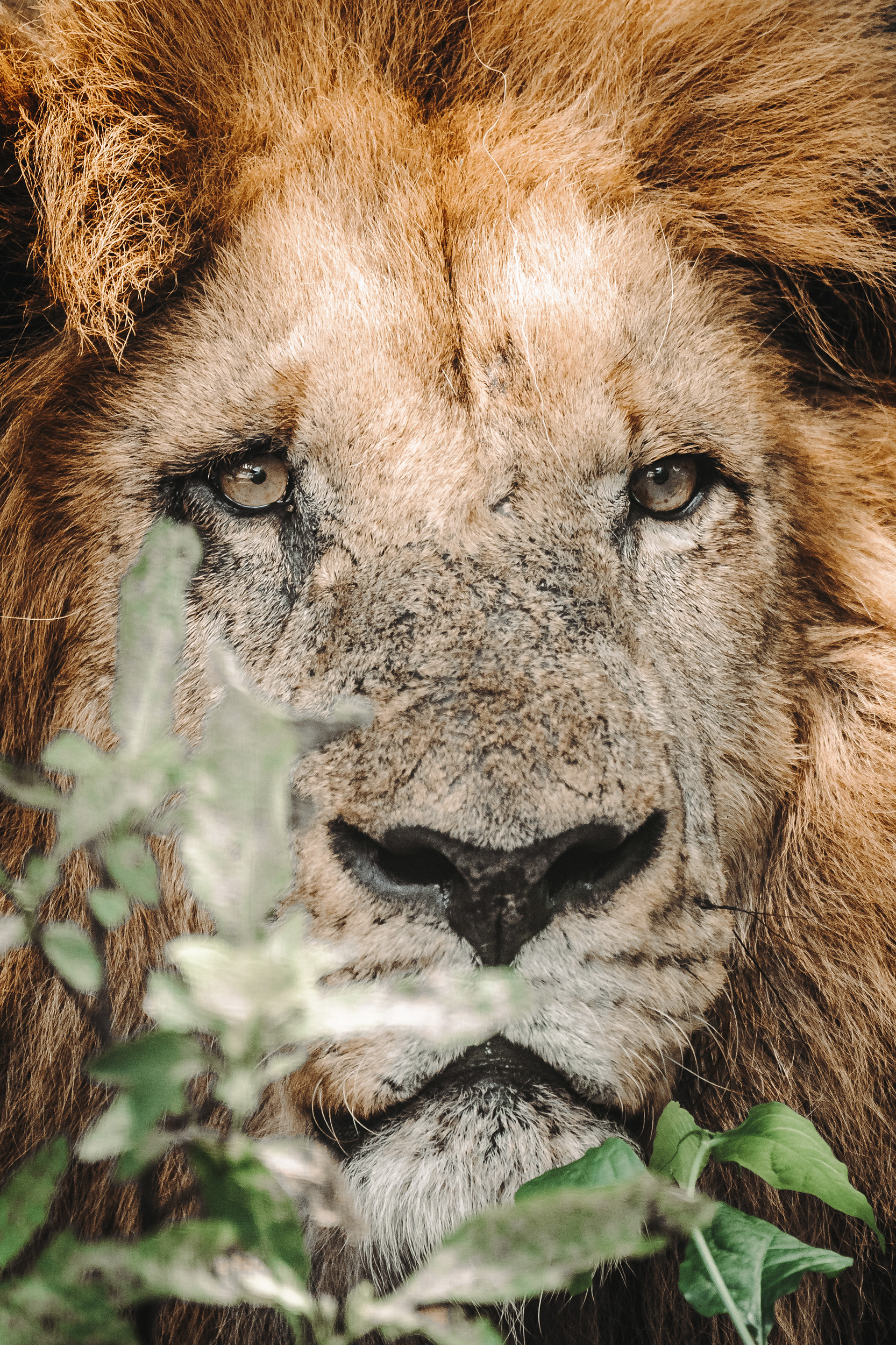 © Uroš Podlogar | Sony α1 + FE 70-200mm f/2.8 GM OSS II | 1/640s @ f/2.8, ISO 640
I was a little nervous at first. But when you look at the animal, it is nervous by your presence too, so you simply observe and ensure it is calm before getting near. The Alpha 1 is amazing as I can shoot with a silent shutter, so there are no sudden noises to make the animal uneasy. I can quickly take a shot and return to the truck and on to the next scene.”
The reason for the 70-200mm f/2.8 G Master II lens was down to the practicalities of travelling.
 © Uroš Podlogar | Sony α1 + FE 70-200mm f/2.8 GM OSS II | 1/1250s @ f/2.8, ISO 50
“For projects like this, I am limited with how much gear I can take,” says Uroš. “I can't take 10 lenses, so the smaller and lighter I can make my kit, the better. The 70-200mm gives me the best range for wildlife and helicopter shots, and I can shoot amazing portraits with it – it's an excellent versatile lens!”
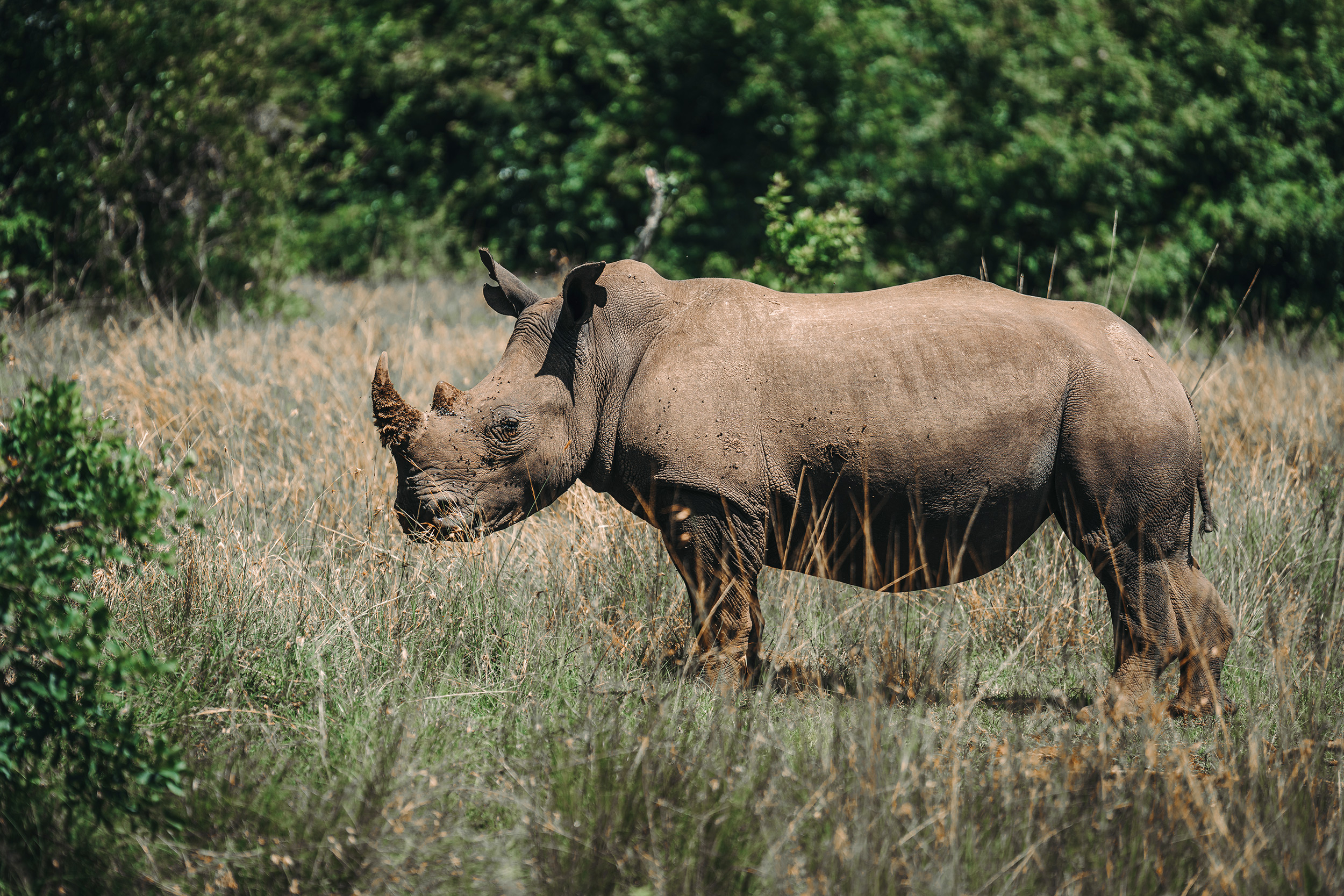 © Uroš Podlogar | Sony α7R V + FE 70-200mm f/2.8 GM OSS II | 1/1600s @ f/2.8, ISO 100
As for the Alpha 1 and Sony’s latest release – the Alpha 7R V – both are a crucial part of Uroš' camera bag for many reasons, but one is their reliability. “For most of my projects, I need to be able to rely on the gear 100%. I simply cannot afford to have equipment I don't trust, so I knew I was in safe hands with these cameras, particular given both have a host of impressive features that are geared towards wildlife photography,” say Uroš.
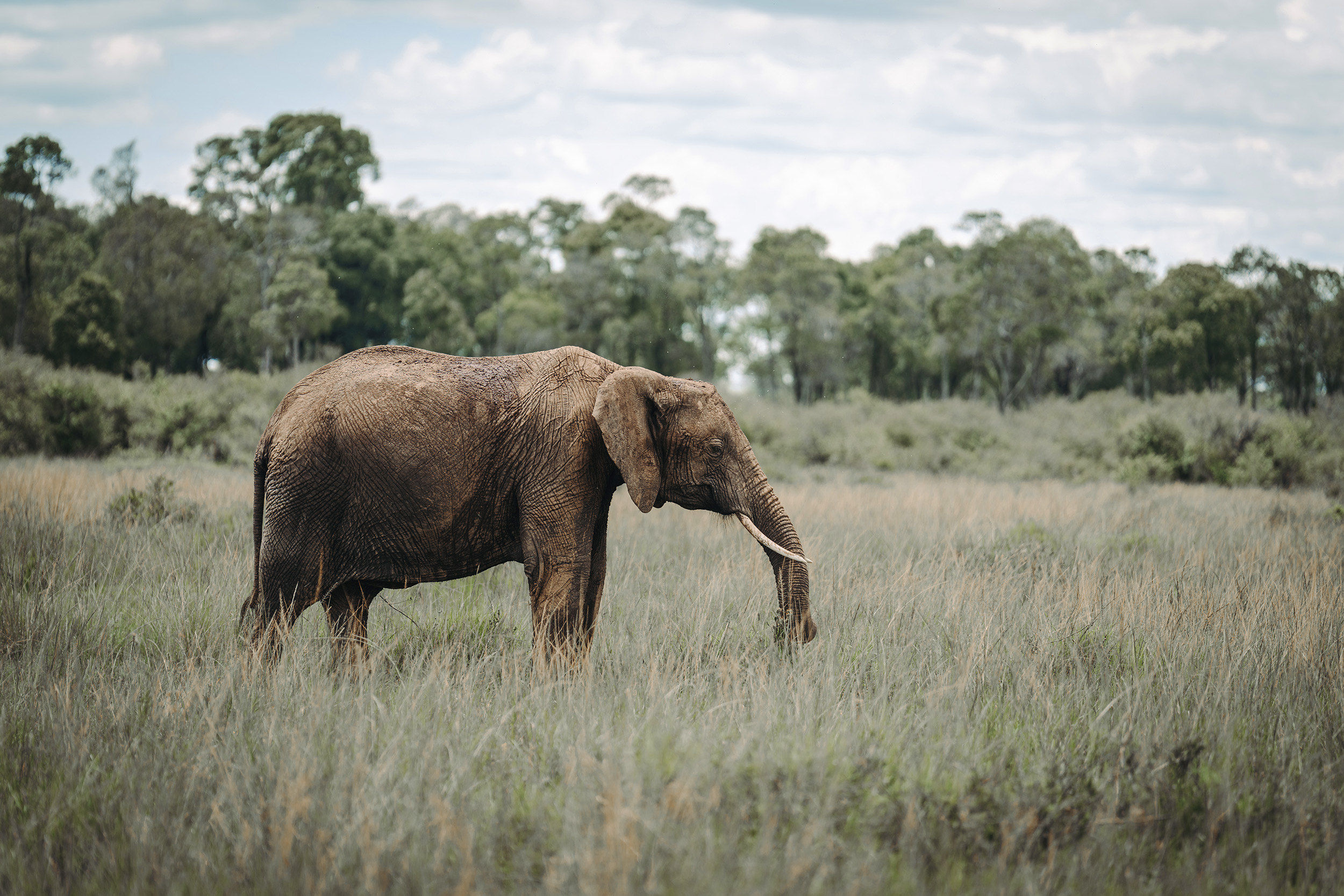 © Uroš Podlogar | Sony α7R V + FE 70-200mm f/2.8 GM OSS II | 1/800s @ f/2.8, ISO 50
As the flagship camera in the Sony Alpha line-up, the Alpha 1 can shoot anything that Uroš can throw at it. “The autofocus is amazing, especially the Animal Eye AF tracking, which is great for a project like this. It is amazing how many types of animals’ eyes the camera can recognise. Then the speed allows me to shoot at up to 30fps. And the colour…The colour science is amazing and improves with each generation of Sony cameras. I know that the colour I can capture is what I will be able to see in the final images.”
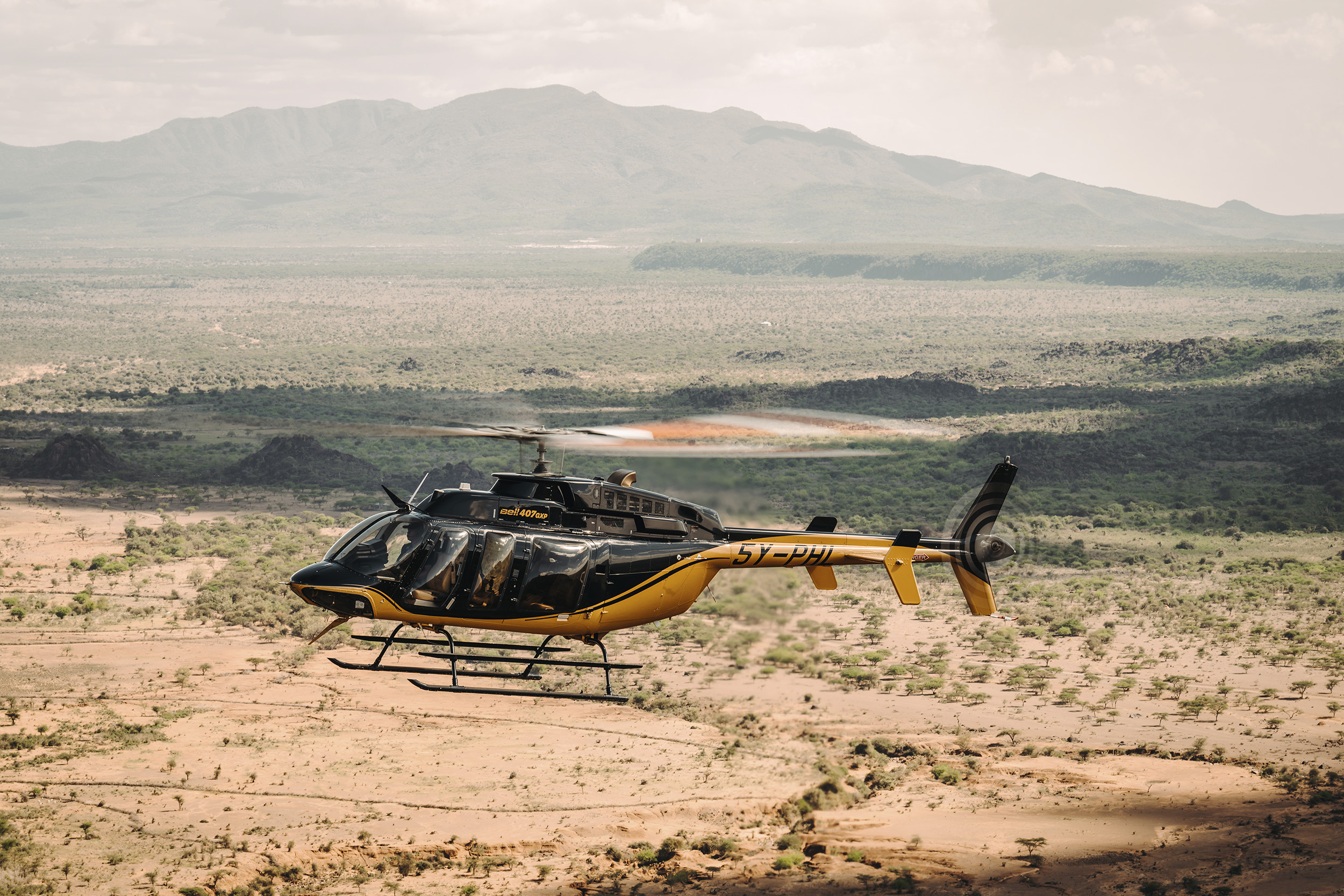 © Uroš Podlogar | Sony α7R V + FE 70-200mm f/2.8 GM OSS II | 1/50s @ f/11, ISO 50
Of course, Uroš was there to photograph the helicopters from both inside and out. One trick that Uroš recommends is making sure that you are showing a slow enough shutter speed to create a blur of the helicopter's rotor blade. “The blur creates a feeling of movement and speed. If the blades are perfectly sharp, it looks like the helicopter is floating.”
When shooting inside a helicopter, Uroš uses the FE 14mm f/1.8 G Master lens. “I really like the 14mm lens, as it gives a super-wide-angle field of view without looking like a fisheye lens. And, the image it produces is sharp from edge to edge.”
 © Uroš Podlogar | Sony α7R V + FE 70-200mm f/2.8 GM OSS II | 1/2500s @ f/2.8, ISO 100
The focal length is one of many considerations of shooting inside a small moving aircraft. “There are a lot of vibrations and movements,” says Uroš, who ensures he uses a faster shutter speed of around 1/1000th sec. to keep the helicopter interior sharp.
The Alpha 1 also helps keep these movements at bay, along with the image stabilisation features which have been improved in the 7R V model. “The Alpha 1 camera has great Steadyshot stabilisation to handle vibrations. I never have any issues when I need to shoot inside the cockpit. I loved this project immensely and thanks to the perfect combination of the Alpha 1, Alpha 7R V and 14mm lens, the final shots really do tell the story behind the intensities of African conservation.”
Featured products


Uroš Podlogar | Slovenia
"It's not work. It's passion, love actually. Find the thing that keeps you alive and your heart pumping. Then follow it full heartedly"


