
Light, Unscripted / Light, Constructed
Nicholas Mastoras
My name is Nicholas Mastoras, an Athens-based photographer with a deep passion for visual storytelling. My first immersion in photography came in the late ’90s while studying Design History in London. Back then, I spent countless hours exploring the city with a camera, experimenting with film and light, and learning to see the world through a creative lens. What began as a personal passion gradually evolved into a profession in 2013, when I made the decision to fully dedicate myself to photography as a career.
Today, I specialise in portrait, beauty, and advertising photography, running my own studio in Athens since 2019. Alongside my studio work, I recently launched a boutique creative agency, allowing me to collaborate with a wider range of clients and bring a holistic approach to visual projects.
When Sony invited me to test the new camera, I immediately saw an opportunity to push its limits in real-world scenarios. I organised two back-to-back productions, each designed to explore the camera’s capabilities in distinctly different environments and lighting conditions.
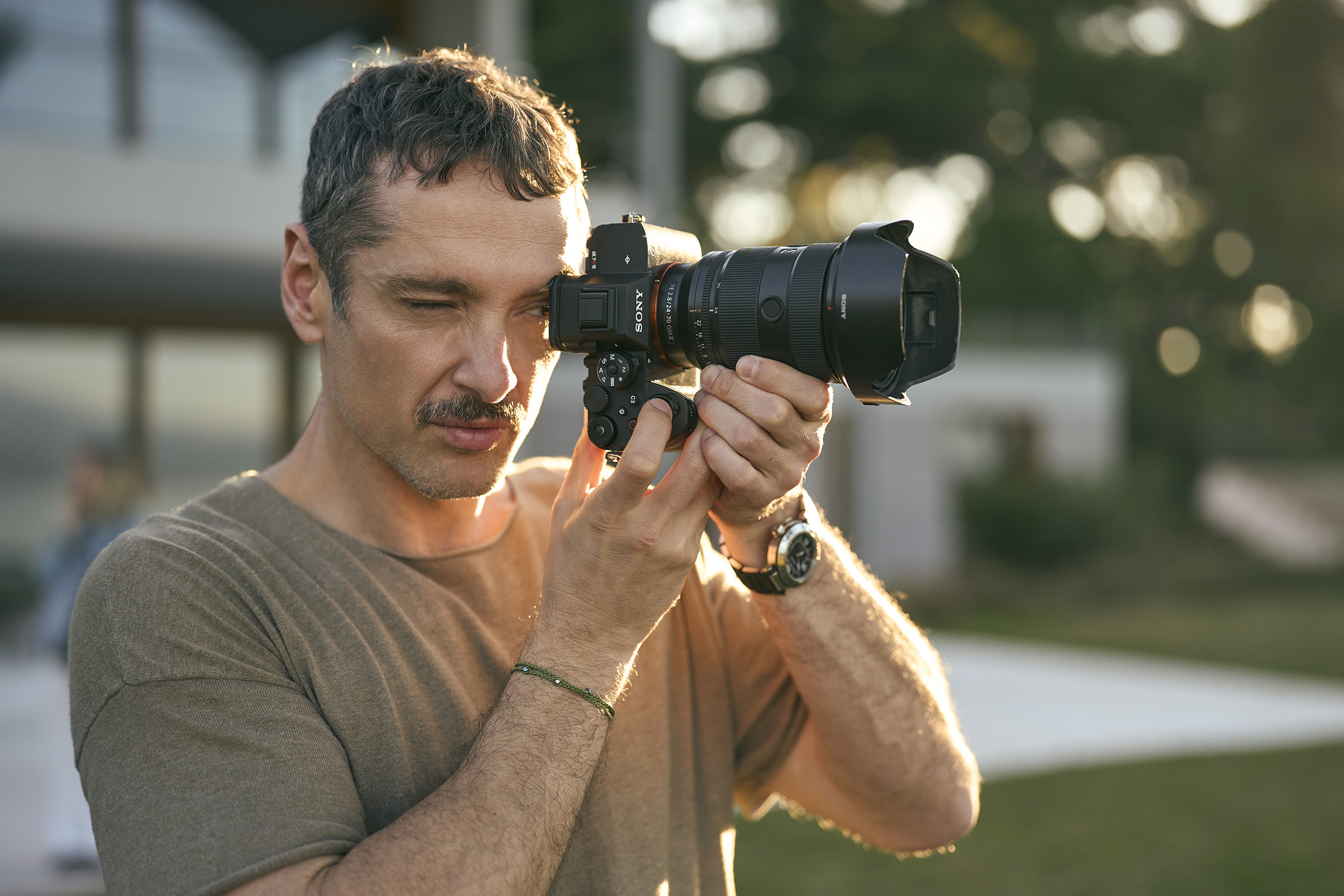 © Nicholas Mastoras
The first shoot took place at a beautiful seafront property just outside Athens. Here, I created a fashion story using only natural light, embracing the challenge of working without artificial lighting. Despite having a full set of lighting equipment on hand, I chose to rely entirely on the available sunlight, using reflectors and diffusers to shape the light. This approach allowed me to test the camera’s dynamic range and highlight recovery in authentic, uncontrolled conditions.
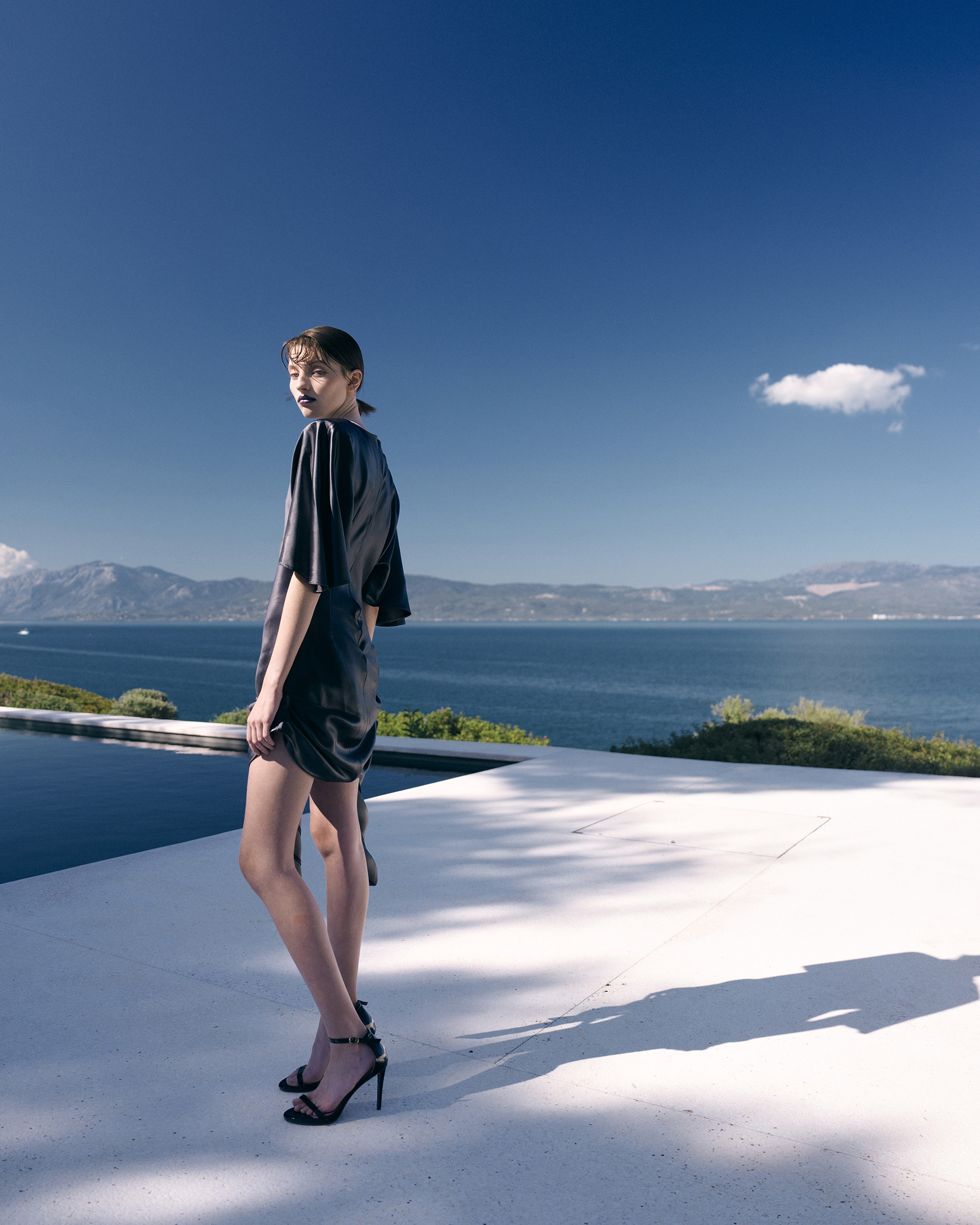 © Nicholas Mastoras | Sony α7R VI + FE 24-70mm f/2.8 GM II | 1/640s @ f/3.2, ISO 200
The second shoot was held in my Athens studio, where I had full control over the environment. For this session, I crafted a darker, more atmospheric male fashion story, building a barn-inspired set with textured backgrounds and props. I used controlled, low-light conditions to explore a completely different visual direction, focusing on mood, shadow, and subtle detail. This setup was ideal for testing the camera’s performance in challenging lighting and its ability to render fine gradations in shadow.
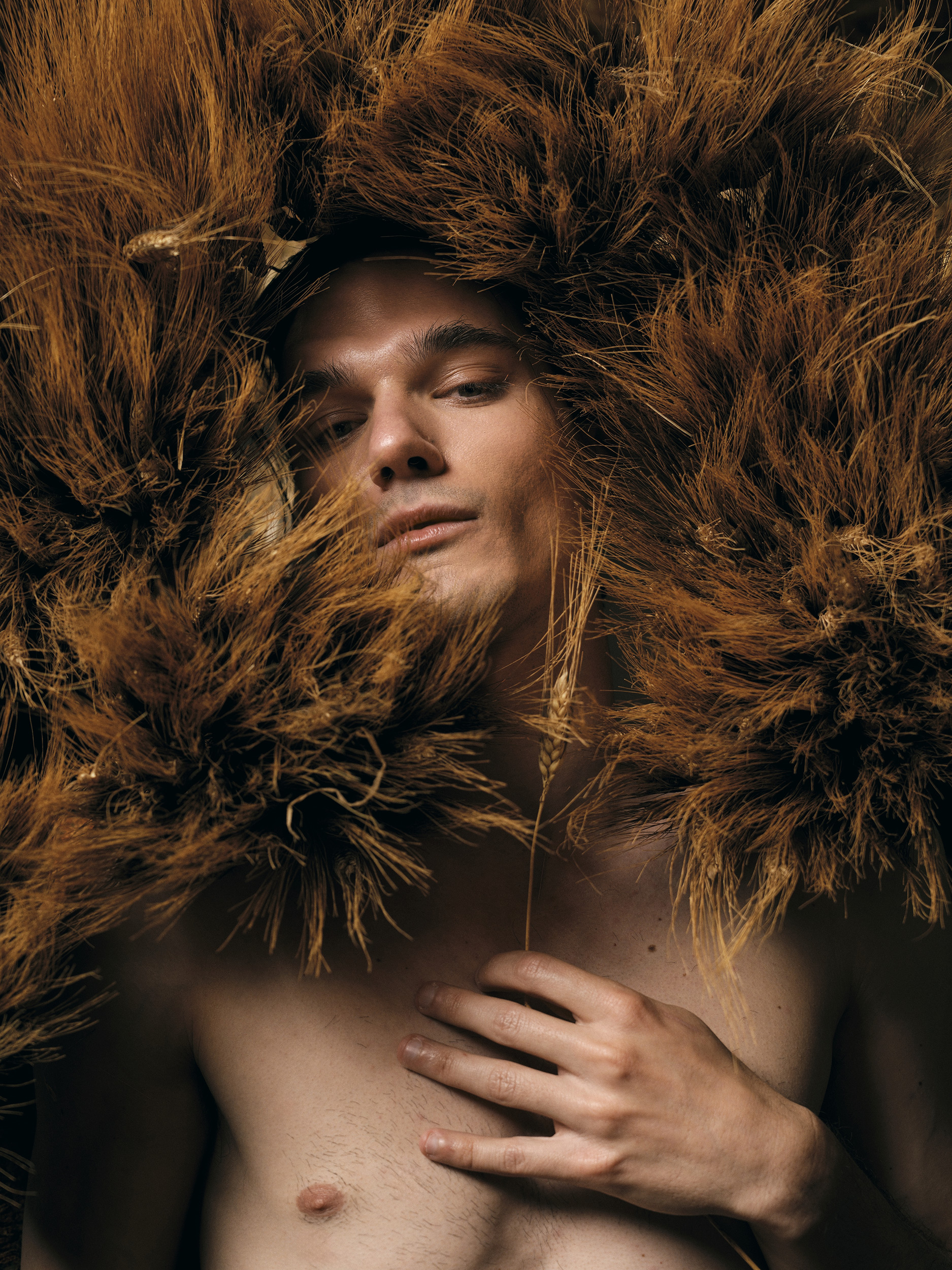 © Nicholas Mastoras | Sony α7R VI + FE 24-70mm f/2.8 GM II | 1/250s @ f/4.5, ISO 250
First Impressions
The camera felt intuitive from the very first moment I picked it up. The ergonomics are refined, and the new high-resolution EVF offers a more immersive and precise shooting experience, especially for those coming from the Alpha 7R V. The menu system is familiar yet streamlined, making it easy to access essential settings quickly. The autofocus system is noticeably improved - faster, more intelligent, and extremely reliable, even with fast-moving subjects or in low light. It feels almost predictive, allowing me to concentrate more on directing the model and composing the shot rather than constantly making technical adjustments.
 © Nicholas Mastoras
The 14-bit RAW files produced by the camera are exceptional. The dynamic range, colour depth, and skin tone accuracy provide great flexibility in post-production, making the images feel richer and more refined straight out of the camera. I noticed subtle improvements in highlight retention and smoother transitions in skin tones, which are crucial for portrait and beauty work.
Battery performance is also impressive. I completed a full day of shooting with around 45% battery remaining after capturing approximately 650 frames, including reviewing images and using the EVF extensively. This reliability means less downtime and more focus on the creative process.
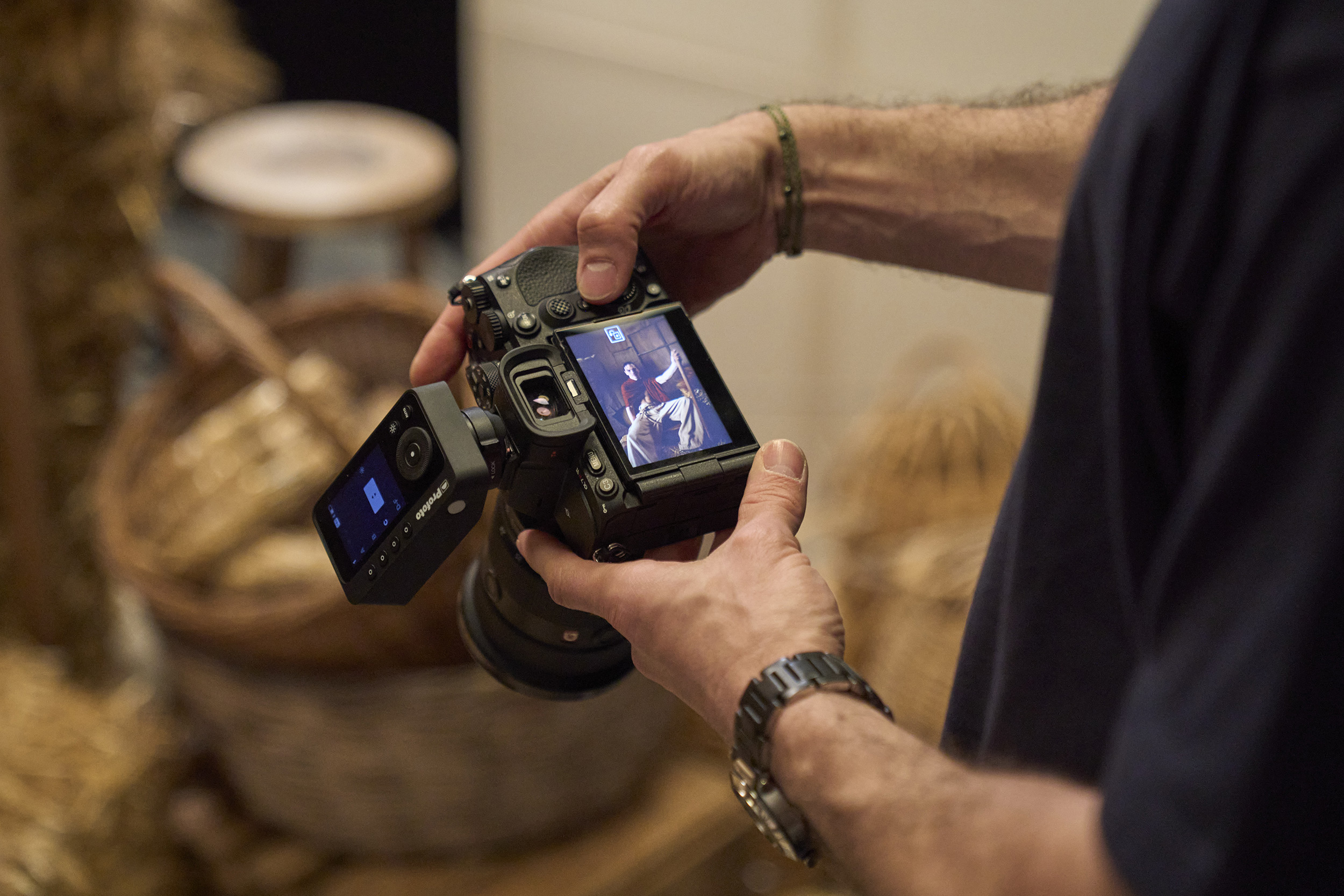
Lastly, when working in the studio I always shoot tethered to a computer. I tried working with the wireless tethering to test the speed of the new 6ghz WiFi connection and although the files are quite large the speed at which they are transferred is fast enough to allow me to work without tethering cables, allowing me to work more freely.
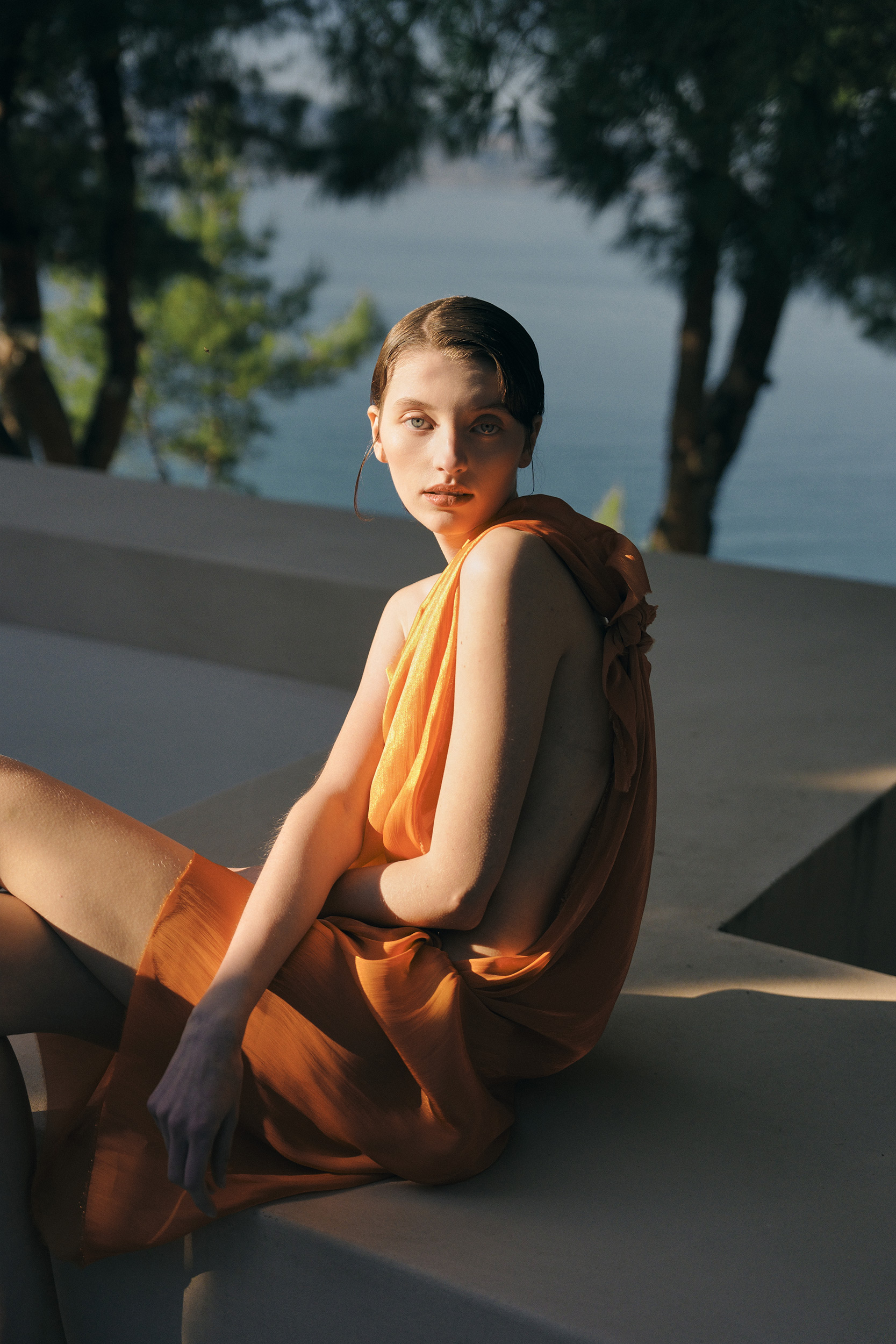 © Nicholas Mastoras | Sony α7R VI + FE 24-70mm f/2.8 GM II | 1/2000s @ f/2.8, ISO 640
Workflow
For my work, staying focused on creative direction while shooting is essential. This camera allows exactly that, supporting an even more fluid and efficient workflow. The high resolution provides flexibility in cropping and reframing images without sacrificing detail, which is invaluable for both commercial and editorial projects. The accurate colour reproduction and skin tones reduce the need for extensive retouching, saving time in post-production. Overall, the camera gives me confidence throughout the entire process, from capture to final delivery.
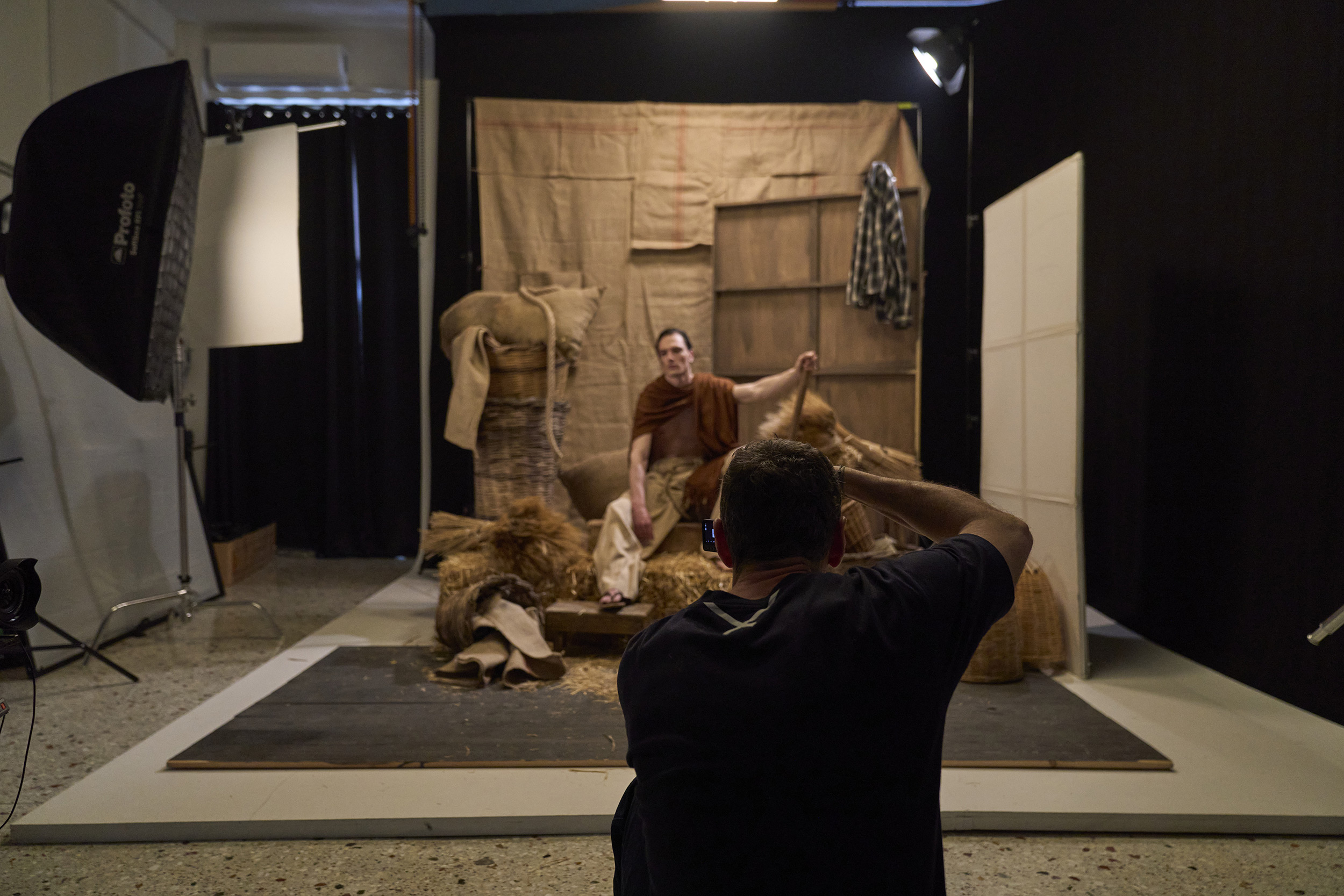 © Nicholas Mastoras
The R series is what initially brought me to Sony in 2018. I currently use the Alpha 7R V, which has been an incredible tool for my work, offering a great balance of resolution, speed, and reliability. The new Alpha 7R VI builds on that foundation and improves it across the board. The enhancements in autofocus, EVF quality, and battery life make it the most complete full-frame mirrorless camera I have used so far. It feels like a natural evolution, addressing the small limitations of previous models and offering tangible benefits for professional use.
This camera easily meets the demands of professional work, and I would even say it exceeds them. Its combination of high resolution, speed, reliability, and impressive battery performance allows you to handle any scenario with confidence. Whether shooting fast-paced fashion, intricate beauty portraits, or complex advertising campaigns, it gives creators the freedom to focus on pushing their ideas further without being held back by technical limitations.
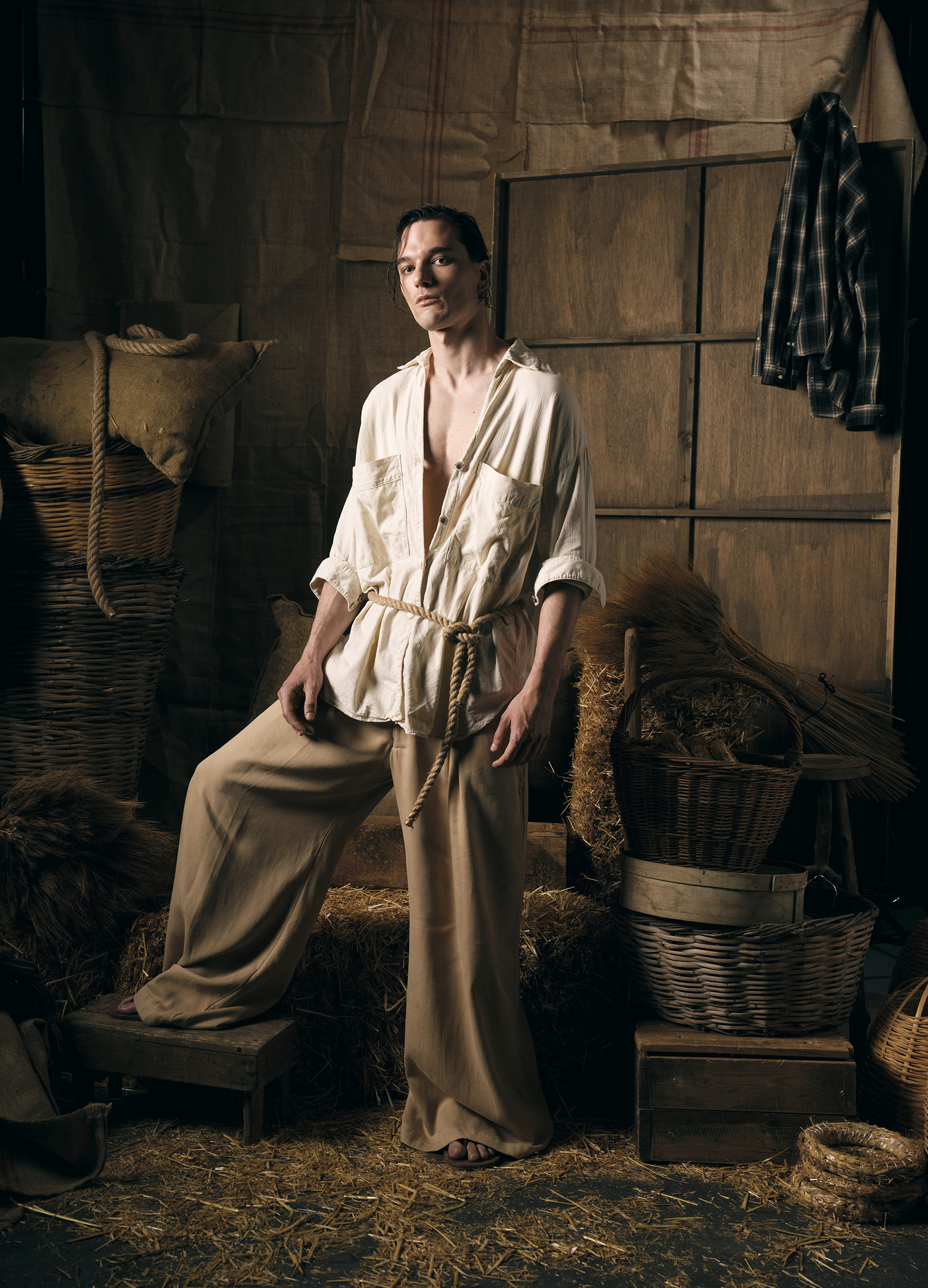 © Nicholas Mastoras | Sony α7R VI + FE 24-70mm f/2.8 GM II | 1/250s @ f/5.0, ISO 250
Lenses & Accessories
For these shoots, I primarily used the FE 24–70mm f/2.8 GM II and the FE 70–200mm f/2.8 GM OSS II. These lenses allow me to work quickly and stay connected to the moment without the need to constantly change gear. Their sharpness, fast autofocus, and versatility made them ideal for both productions, from wide environmental portraits to tight, detailed shots. While I also enjoy working with prime lenses for certain projects, the flexibility and performance of these zooms were a perfect match for testing the camera’s capabilities in a variety of situations.
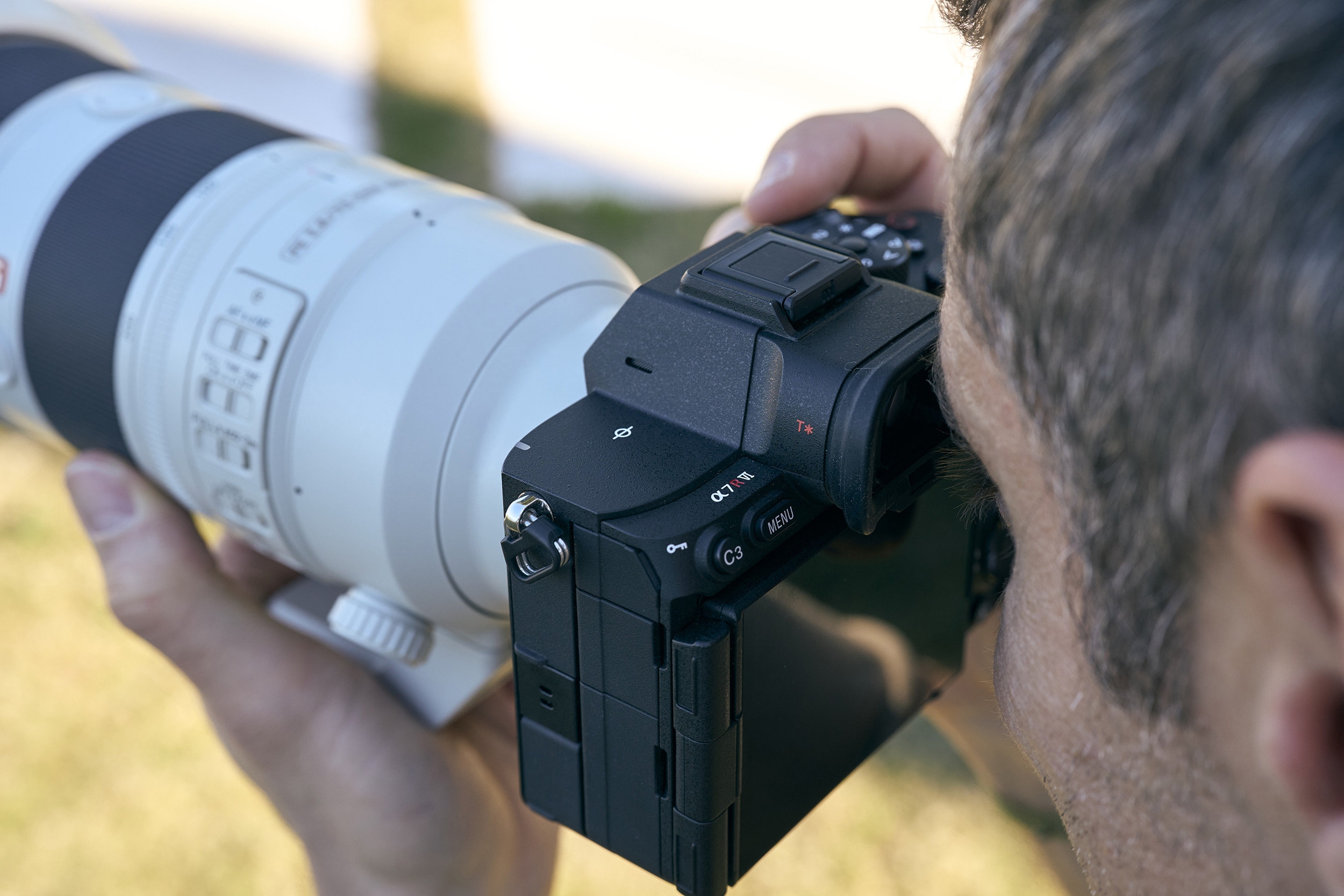 © Nicholas Mastoras
Final Thoughts
My advice is to keep shooting, trust your instincts, and stay true to your creative voice. Photography is a passion first—and I feel grateful to be able to do this professionally. Technology is constantly evolving, giving us more options and new ways to express ourselves visually. Embrace these advancements, experiment, and let them inspire you to create. The tools are here—now it’s up to us to use them to tell our stories and bring our visions to life.
Featured products


Nicholas Mastoras | Greece
"In the end, it’s not about how you see things, but where you let them take you."


