
Light Work with the Alpha 9 III
Philip Platzer
In a puddle-filled quarry, sports photographer Philip Platzer waits for a motocross rider to plough his dirt bike through a huge puddle of water. With his Sony Alpha 9 III, Philip begins shooting at 15 fps just before the rider speeds into the puddle, and he lifts his finger off the shutter button only once the bike is clear. Water sprays through the air and looking at the images on his Alpha 9 III, Philip can see that each drop is caught perfectly still.
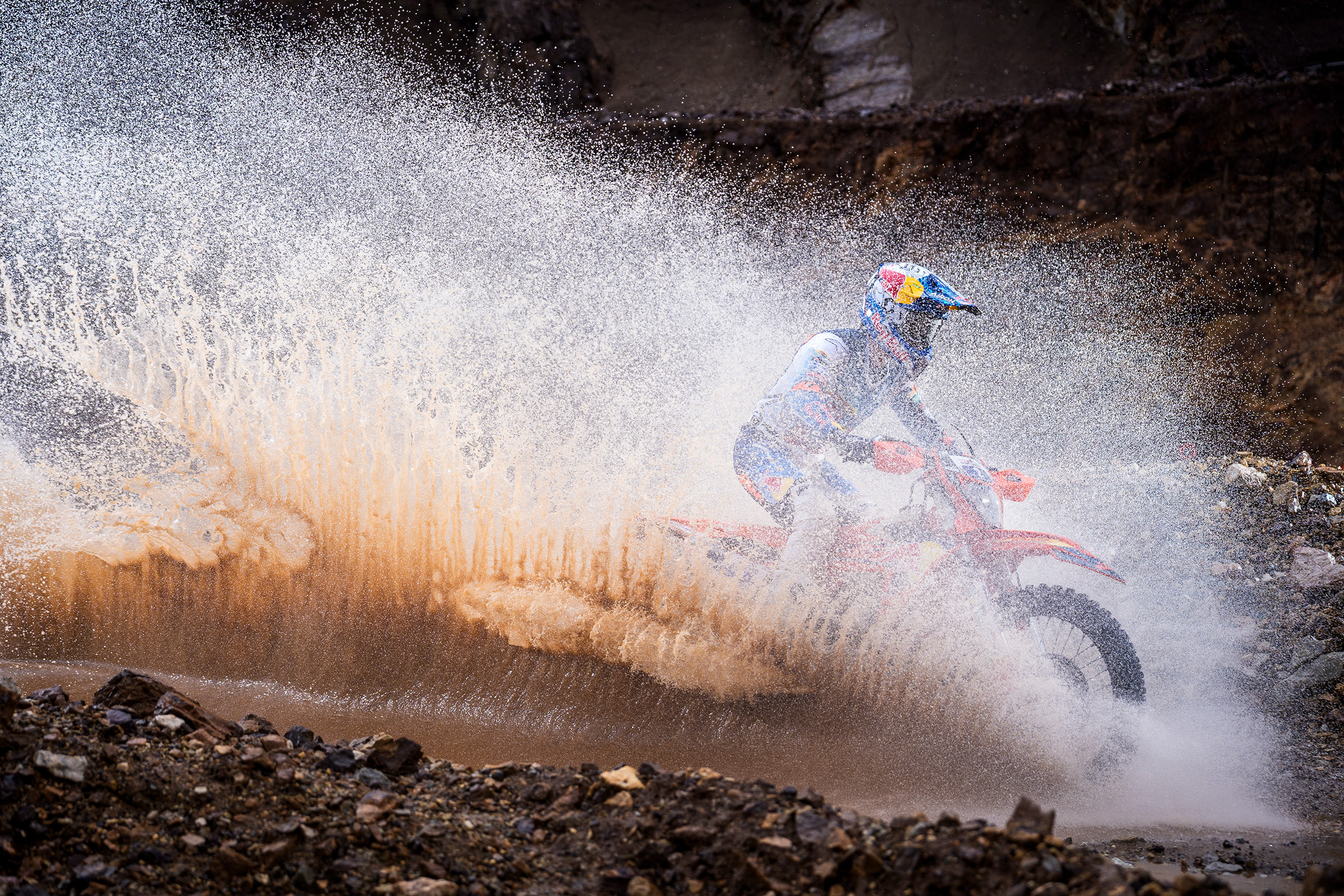 © Philip Platzer | Sony α9 III + FE 24-70mm f/2.8 GM II | 1/5000s @ f/2.8, ISO 400
Such an incredible shot is made possible thanks to the global shutter of the Sony Alpha 9 III. The instant readout means it is possible to use flash even when shooting at extremely fast shutter speeds, such as 1/10,000 sec. Better still, gone are the days of carrying heavy studio lights and power supplies onto location, firing a single shot, waiting for the flash to recharge, then asking the rider to go again, and again, until you are certain the shot is in the bag. Philip knows the benefits: “For photographers like me, when you have to go up a mountain, when you're not in a controlled location, the Sony Alpha 9 III and a set of flashguns make the work so much easier.”
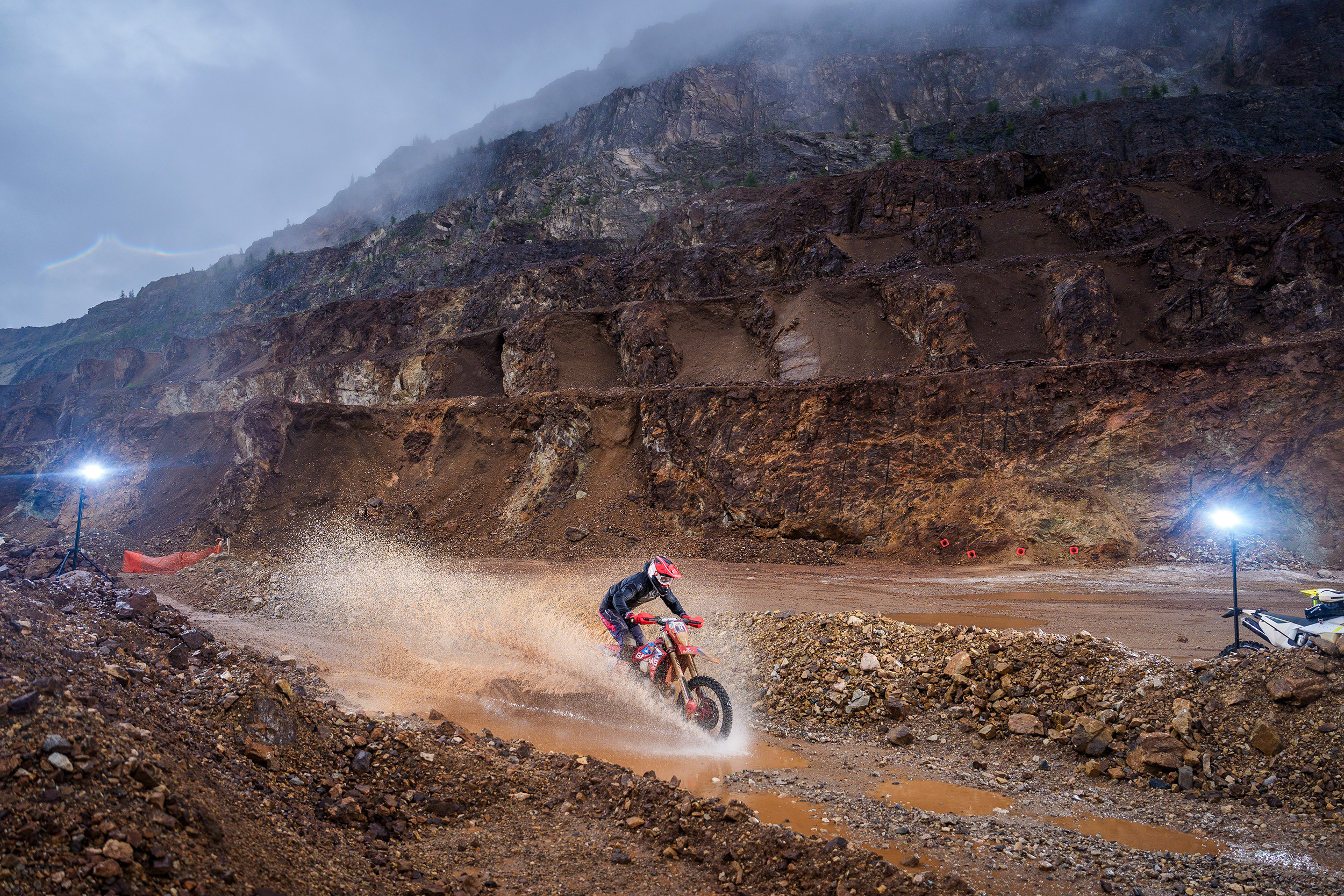 © Philip Platzer | Sony α9 III + FE 24-70mm f/2.8 GM II | 1/6400s @ f/2.8, ISO 400
“You can make a great image with or without a flash,” says Philip, “but the flash gives you the option to highlight the athlete or the trick. In some situations, I may have a wide scenic landscape, but the athlete is quite small in the scene. The flash allows me to play around with light and make them stand out.”
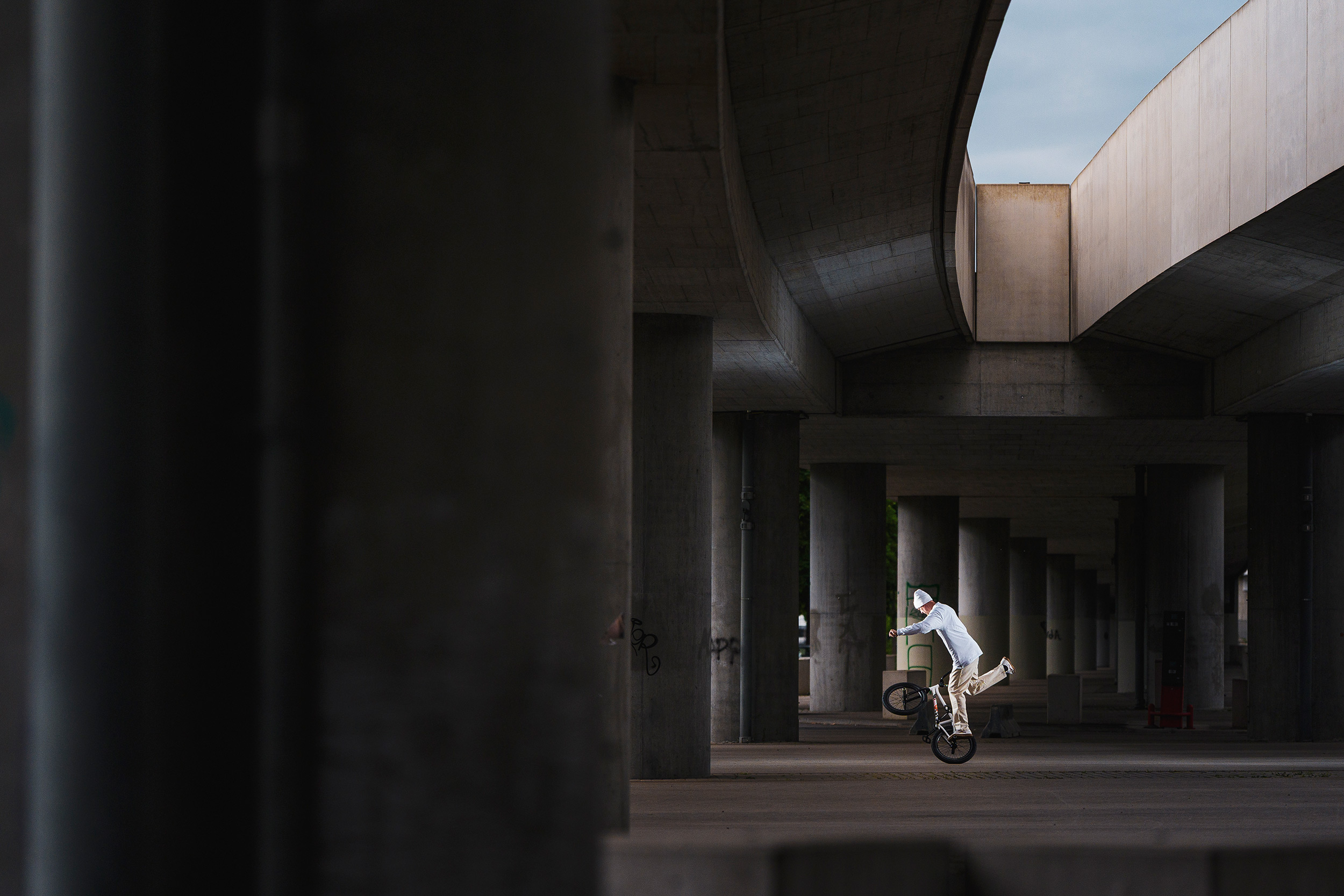 © Philip Platzer | Sony α9 III + FE 70-200mm f/2.8 GM OSS II | 1/12800s @ f/2.8, ISO 400
A great example of using flash to highlight the athlete appears in a series of images of a BMX rider performing tricks under a bridge. “When I took some shots without flash, everything in the image was flat. With the flash, the viewer’s eye goes straight to the action.” Using flash also brings an element of creativity that isn’t usually seen in sport. “Motorcycle racing, for example, you hardly ever see flash used in a studio style. I can use flash to make a shot seem like it is a fashion or commercial shoot, right in the middle of an event.”
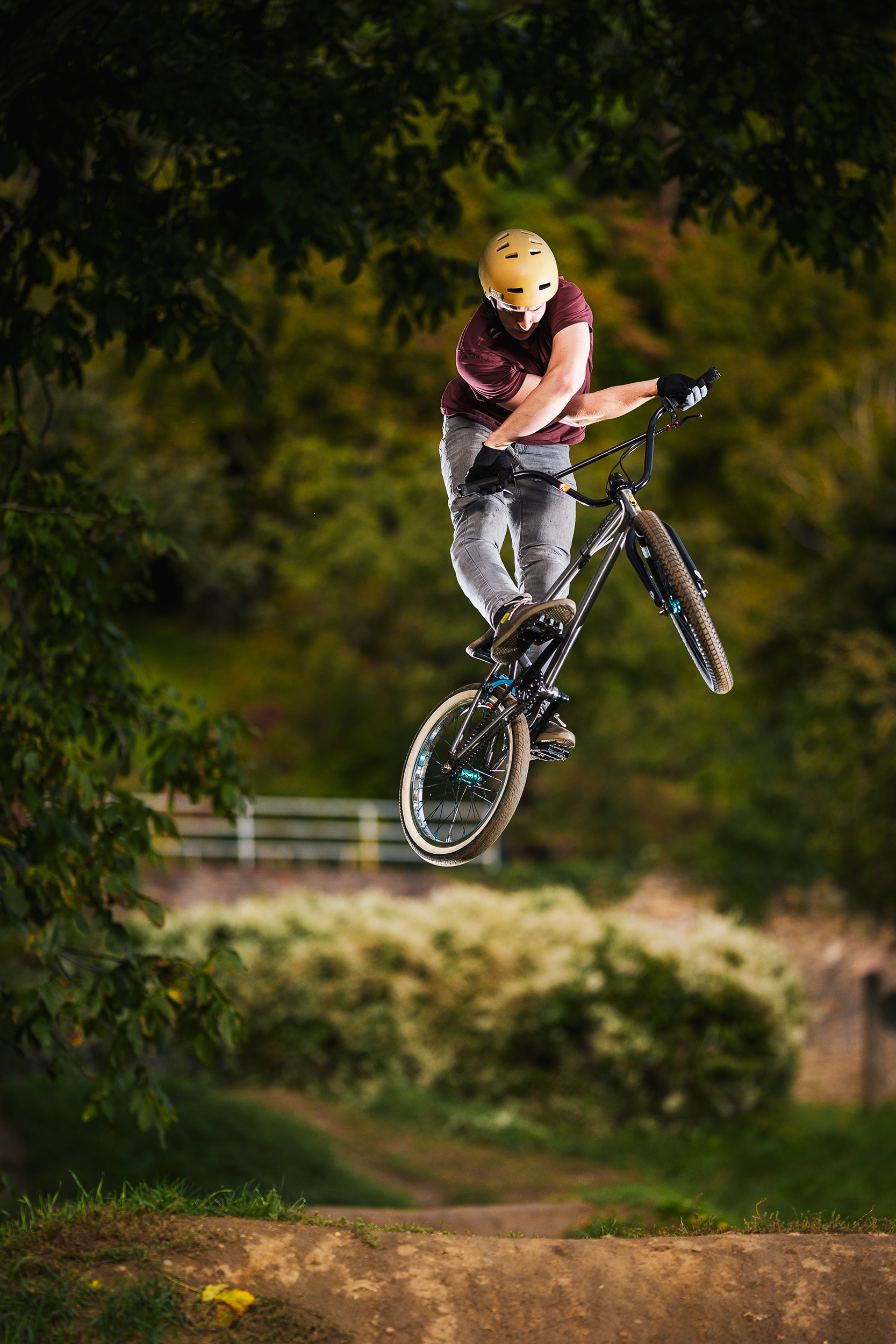 © Philip Platzer | Sony α9 III + FE 135mm f/1.8 GM | 1/5000s @ f/1.8, ISO 200
Although the camera is a natural choice for a sports photographer, it isn’t, surprisingly, the 120fps shooting rate that appeals to Philip. “It’s fun to play around with,” he says, “but for me in general, the Alpha 9 III is the flash camera. As soon as I have to do portraits or action, I use the Alpha 9 III. I can use all my small flashguns, I don’t even need a lot of power - for most of my shots the flash is only on half power because it is enough.”
The Alpha 9 III’s sensor global shutter enables fast shutter speeds for capturing action. “I can set the ISO to 200 or 400 and then bring the ambient exposure down by using a really fast shutter speed, like 1/8000th sec. That makes the daylight scene appear darker than it actually is. Then I can use the flash to light the subject. It’s crazy.”
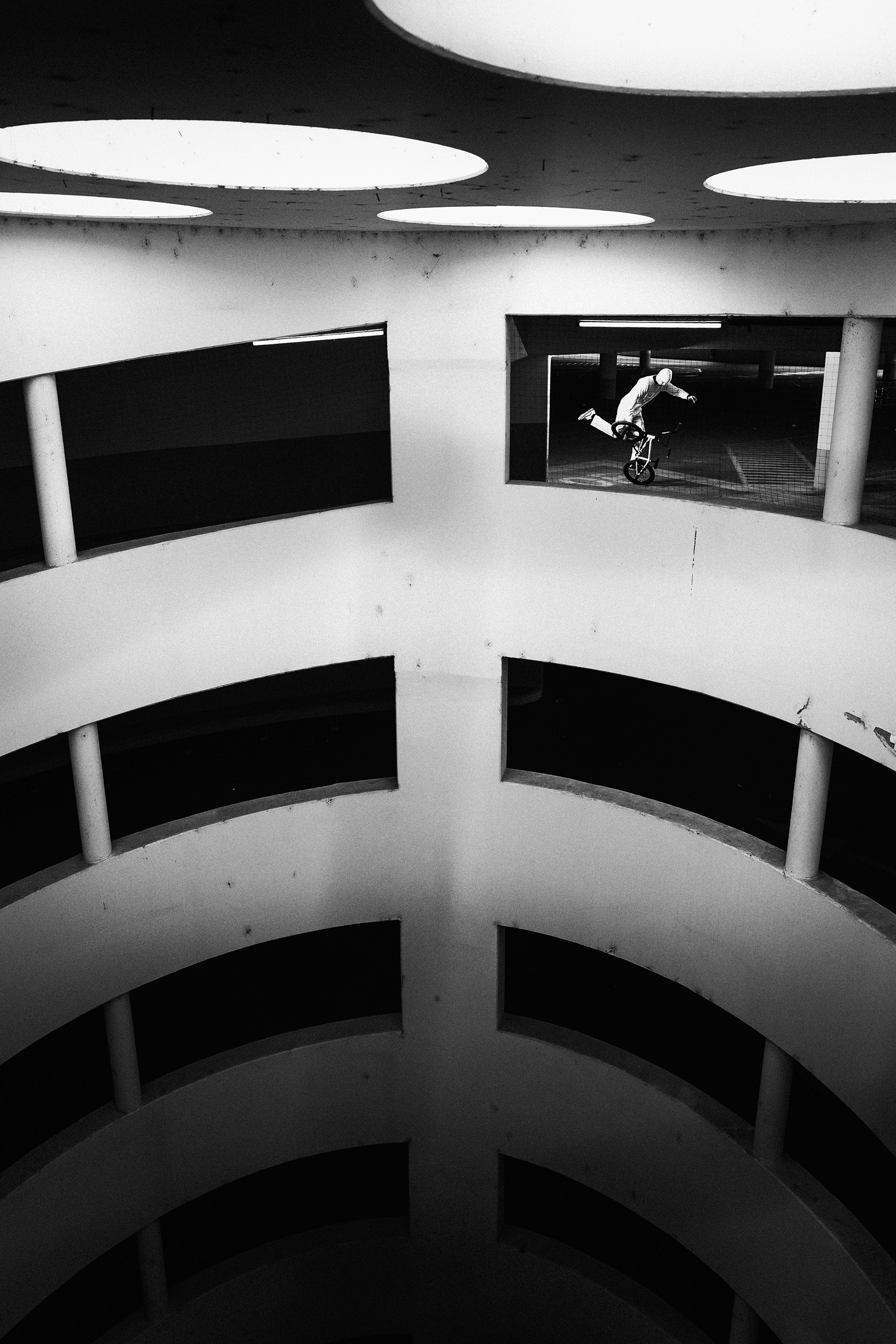 © Philip Platzer | Sony α9 III + FE 24-70mm f/2.8 GM II | 1/2000s @ f/2.8, ISO 200
“You have to rethink flash photography”, he explains “The reason you can use a small flash instead of a big one comes down to this: the power of a big studio strobe comes from the fact that it holds its output for a longer time. Let's say the flash fires for 1/250th of a second - in that window, the 1,000-watt flash is constantly quite bright. A speedlight is different: it has a shorter burst with a higher peak, and then it drops. So normally, at 1/250th of a second, the big flash has the advantage.”
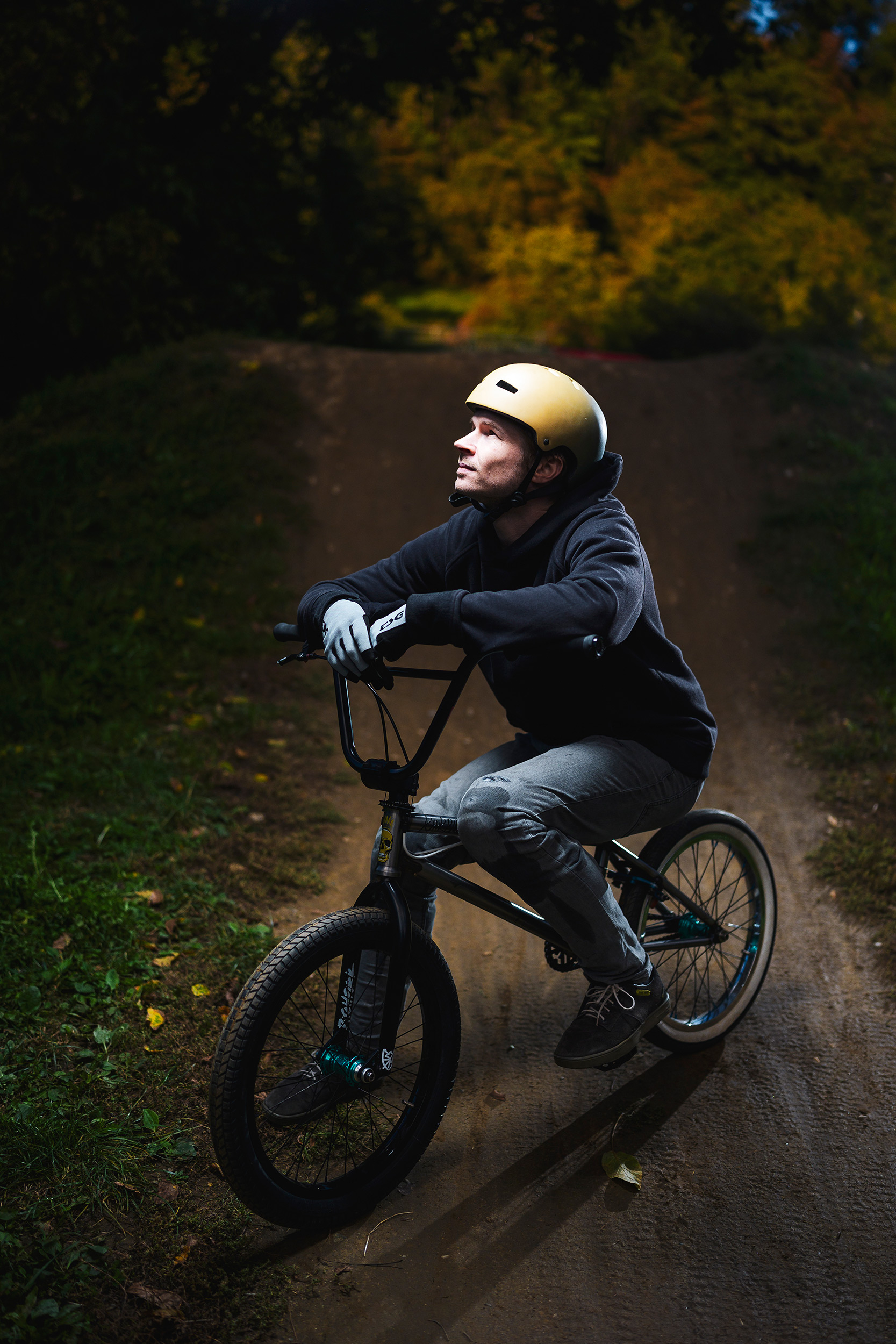 © Philip Platzer | Sony α9 III + FE 35mm f/1.4 GM | 1/10000s @ f/1.4, ISO 250
“But the speedlight has a higher peak output. There's a point at which the speedlight produces more light than the 1,000-watt flash. When you're working only with that peak - and you're shooting at a super-fast shutter speed, so you're capturing only the brightest part of the flash duration - you get more light with the small flash than with the big one. That's the crazy part that people don't understand.”
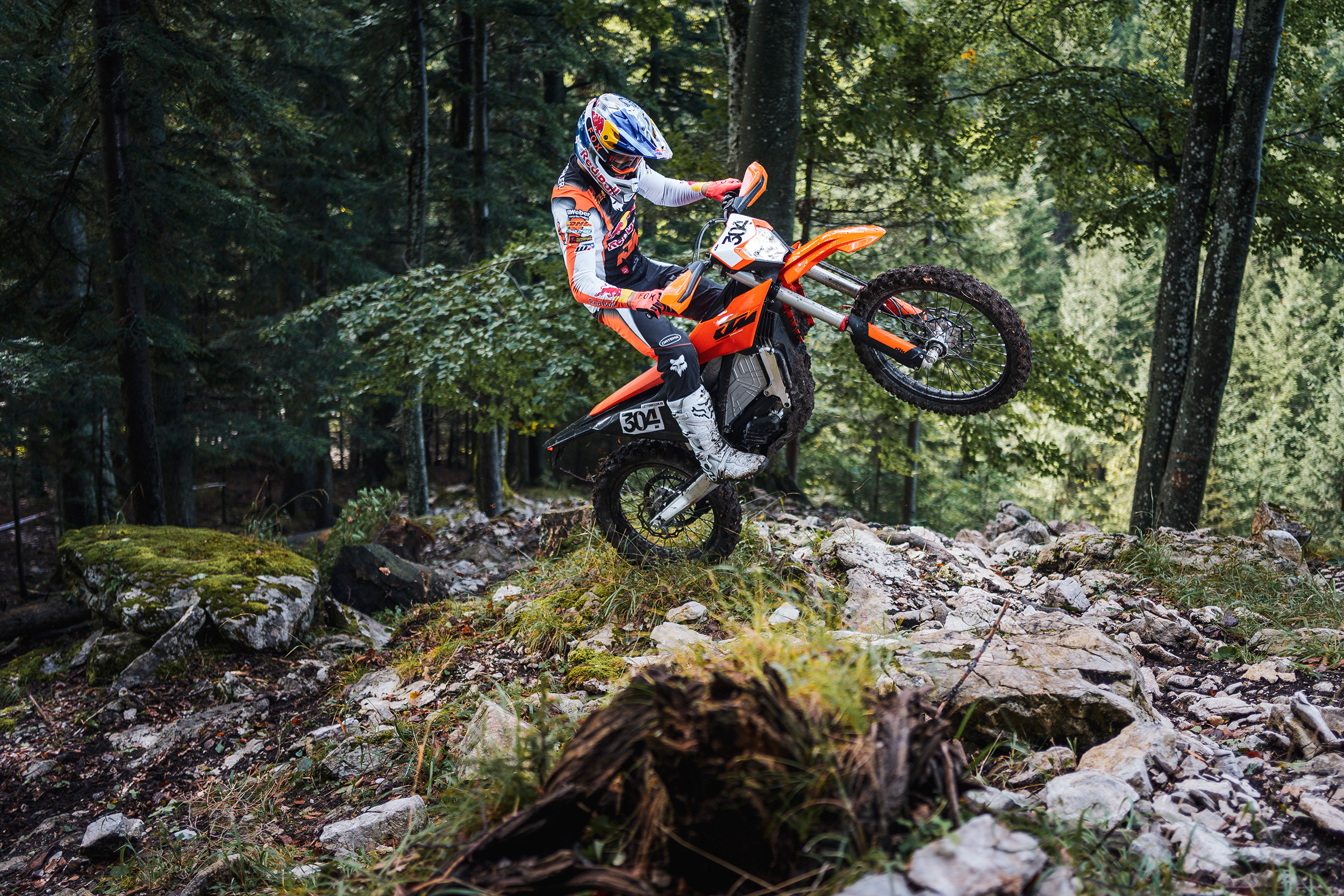 © Philip Platzer | Sony α9 III + FE 35mm f/1.8 | 1/1000s @ f/2.0, ISO 500
And even with all the action being captured faster than the blink of an eye, the autofocus of the Sony Alpha 9 III is able to keep up with the pace. “The AI chip makes Eye AF so good that it recognises the rider even when an eye isn’t visible. It sees a human, a helmet, a head, so it locks on to the head, and sometimes you can even see that the eye is perfectly sharp, even if the rider is wearing googles - it is insane!”.
The Sony Alpha 9 III helps me take crazy photos and show people things that they have never seen before”.
Featured products


Philip Platzer | Austria
"The best things happen outside of your comfort zone!"


