
Lucie Bertaud: Her Revenge
Pauline Simon
The Meeting:
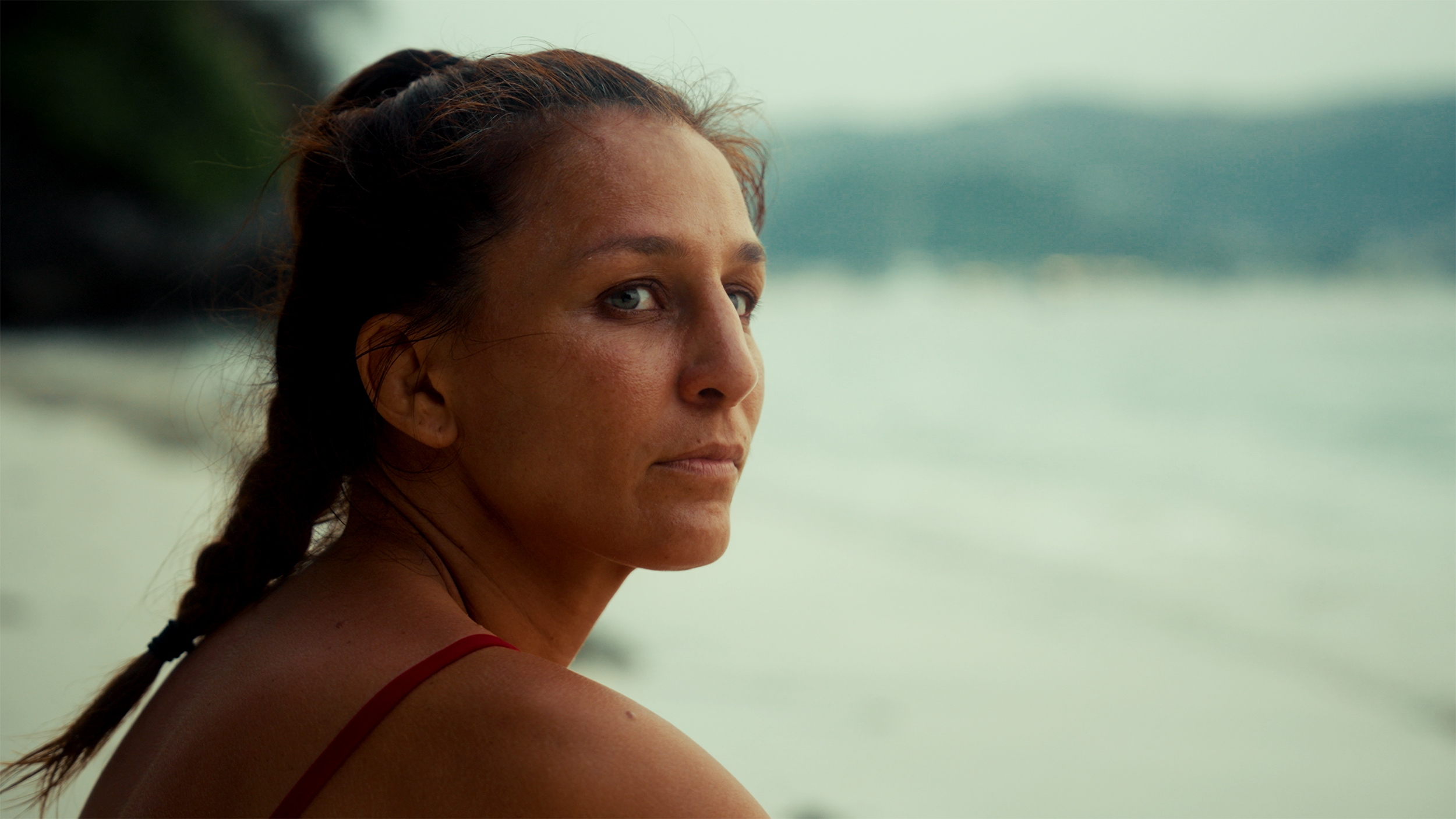
I first met Lucie Bertaud on the set of The Island: l’île du bagne, a survival show in the Malaysian jungle. Over ten intense days, we formed a genuine connection. When Lucie shared her story with me, I was immediately struck by her strength and resilience. It was clear her journey deserved more than words - it needed to be captured on film. That’s when I proposed making a documentary about her.
The Mission:
Translating Lucie’s idea of “revenge on life” into a visual story meant focusing on rhythm and contrast. I balanced sequences of high intensity with moments of quiet reflection, using energetic music for empowerment and slower scenes for vulnerability. My goal was to immerse the audience in Lucie’s emotional highs and lows, showing her setbacks, breakthroughs, and ultimate reclamation of strength.
Finding the Arc:
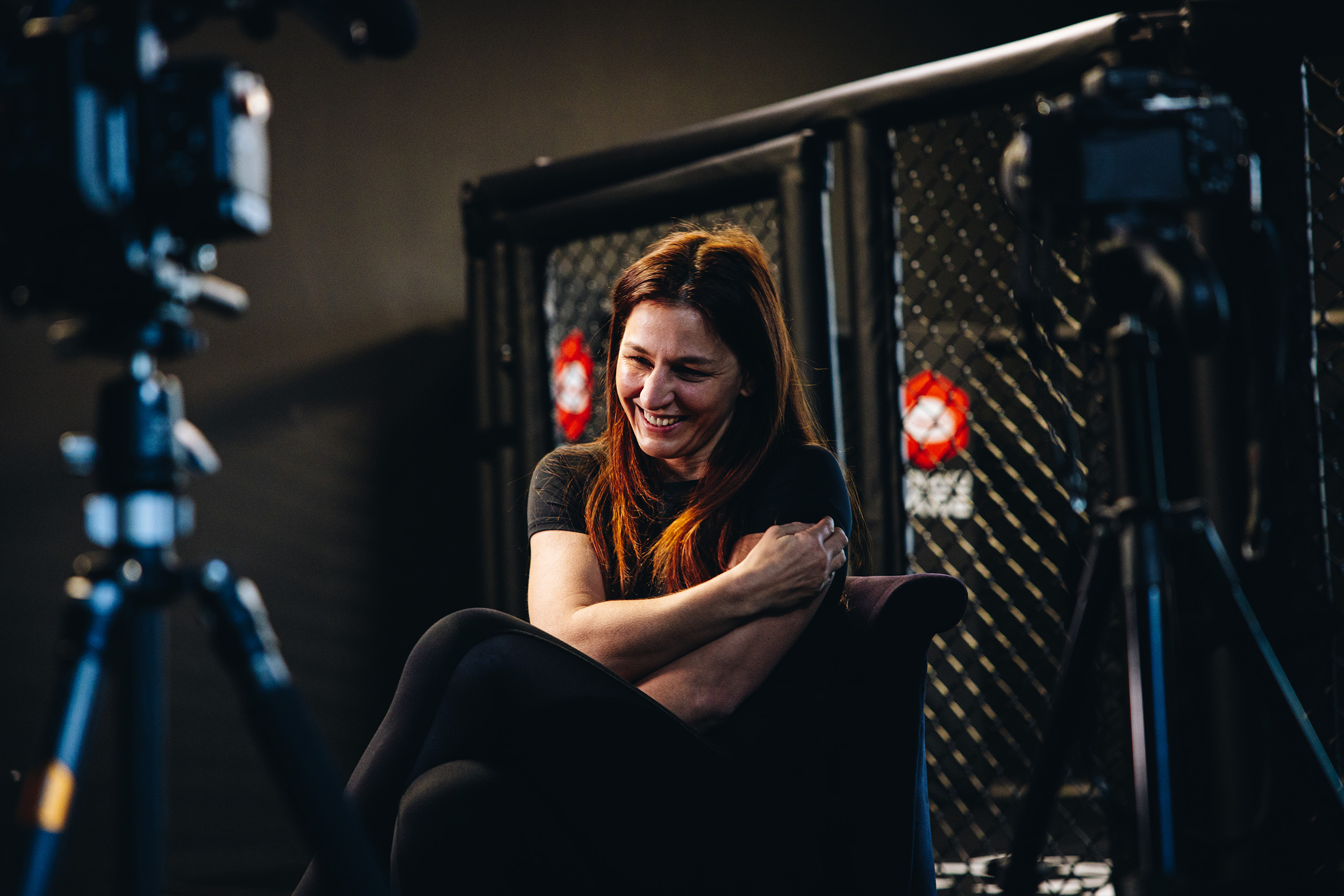
I always begin interviews with lighter topics to build trust. Lucie’s willingness to revisit difficult memories brought real emotion - tears, pauses, and honest vulnerability. My approach is rooted in patience and empathy, giving her space to share while making sure she felt safe and supported. The hardest part was resisting the urge to intervene, letting her emotions come through naturally on camera.
 © Pauline Simon
Creative Vision:
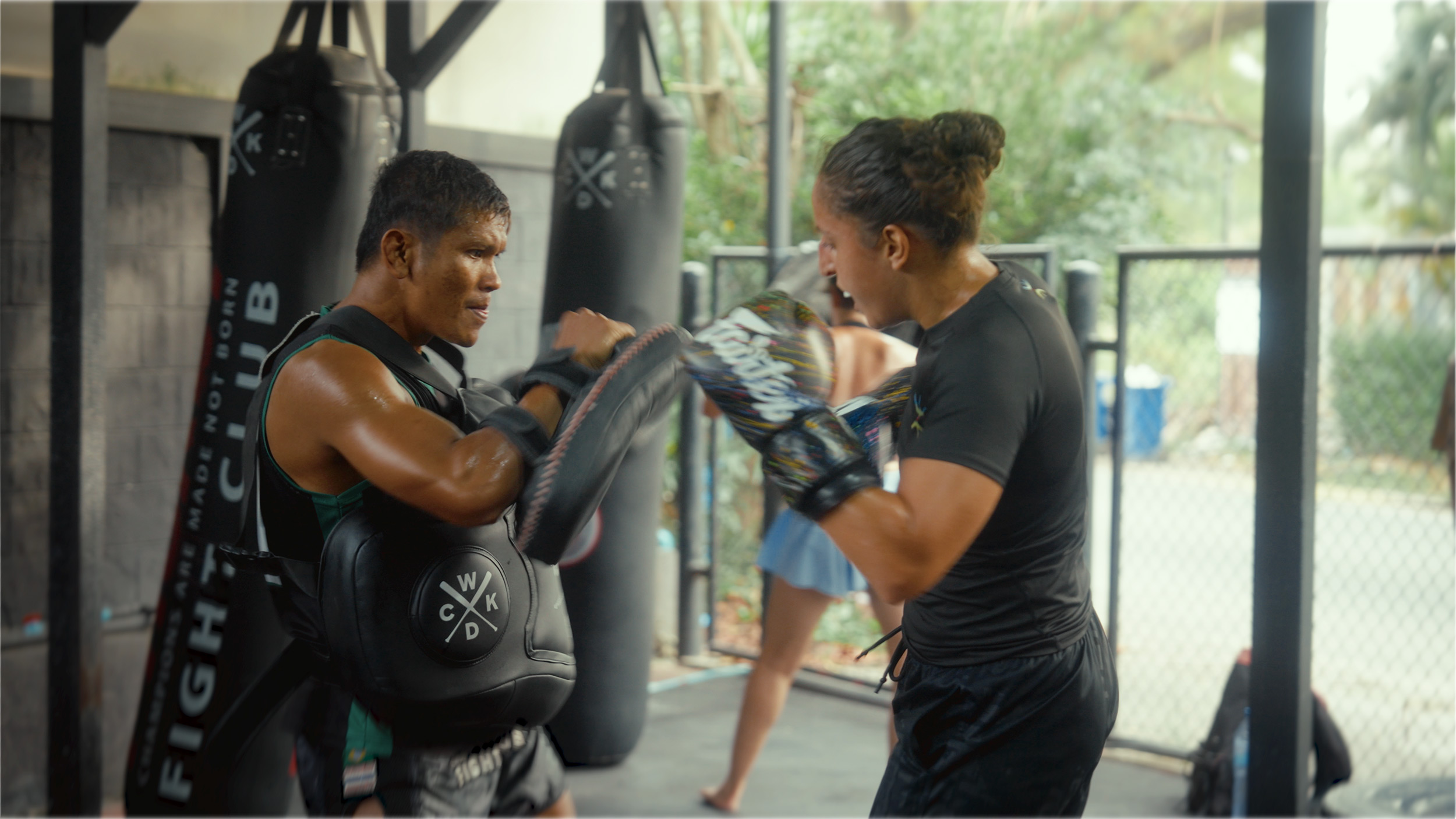
Filming in Thailand’s “Fight Street” was a challenge. The heat, humidity, and constant energy of the gyms required a flexible, reactive approach. I kept my setup light, used the brightest corners, and relied on a camera with adjustable ISO. This allowed me to capture immersive footage without interfering with training or the gym’s flow.
 © Pauline Simon
Emotional Textures:
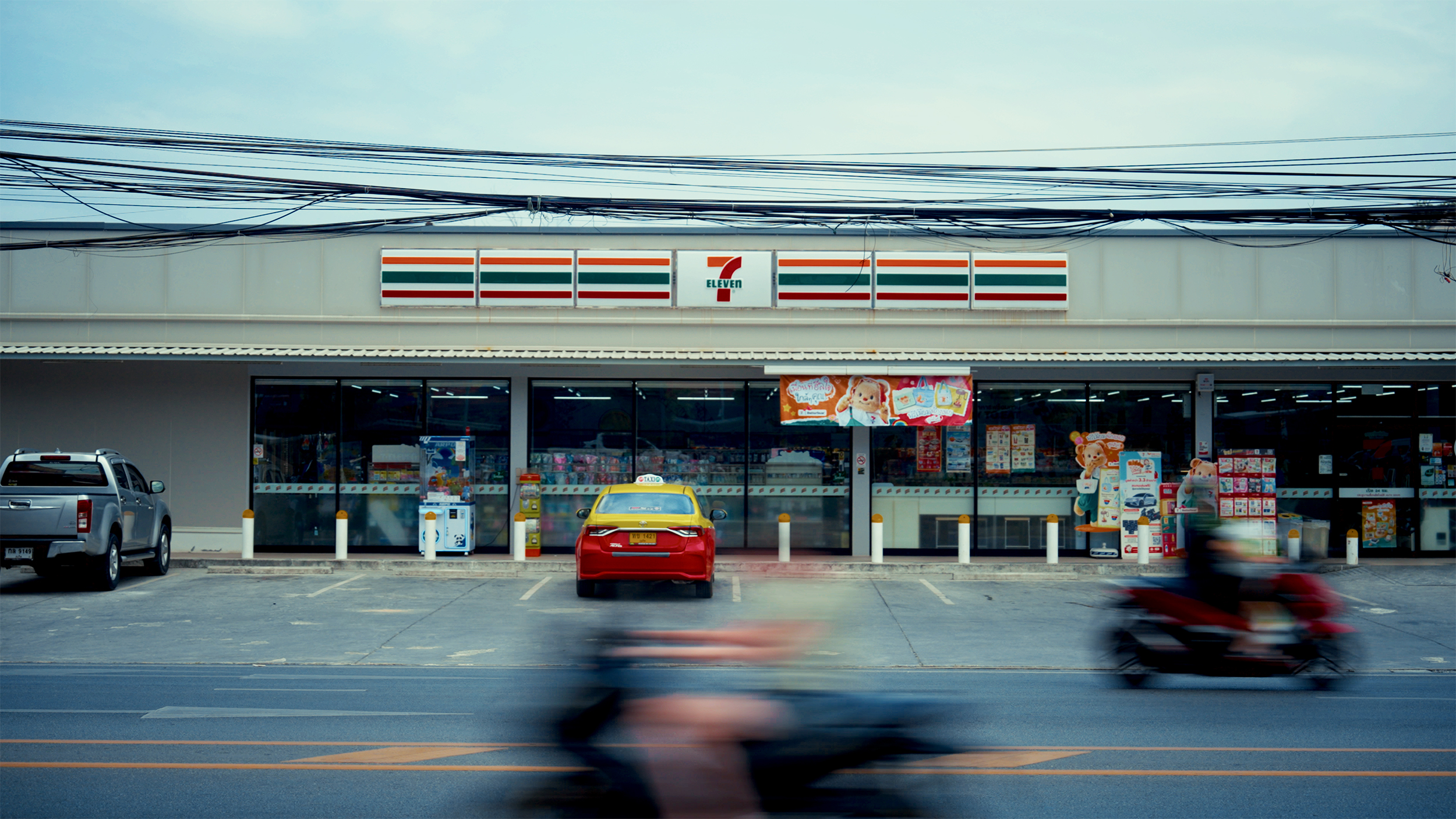
The FX3 camera let me move seamlessly between Thailand’s bright, chaotic streets and the dim, intimate spaces where Lucie opened up about her past. Its dynamic range and high ISO capabilities meant I could capture both the energy of the environment and the vulnerability of Lucie’s reflections, creating a coherent emotional journey for the audience.
Gear & Technical Execution:
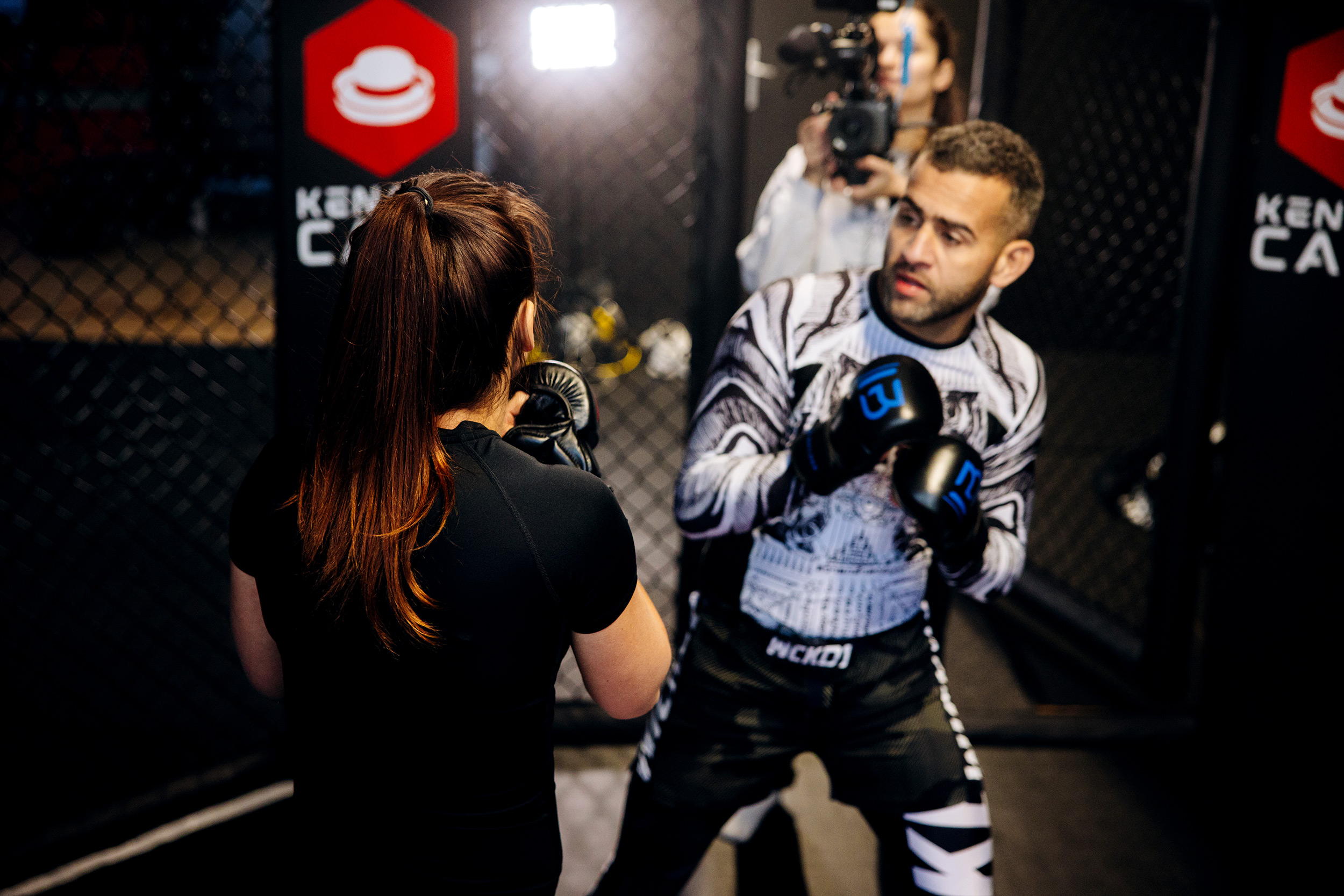
The FX3’s autofocus and internal stabilisation were essential for the fast-paced action in the gym. Shooting at 120fps allowed for slow-motion sequences that amplified the intensity and emotion of the fights. I shot everything in S-Log3 for maximum flexibility in post-production, ensuring a unified, cinematic look across all footage, even under extreme lighting conditions.
 © Pauline Simon
Sounding the Impact:
Capturing the sound textures of a Muay Thai gym was crucial. I used a compact Sony ECM-B1M microphone for live interactions and wireless mics during ring sessions. In post-production, I meticulously crafted each hit, breath, and vocal nuance to heighten immersion and emotional impact.
BTS Challenges:
This project demanded constant adaptation. Early days were spent scouting and understanding the environment, and I sometimes had to rewrite parts of the documentary in post based on what I could capture. Lucie was managing a large group, which sometimes limited access to certain sequences. Flexibility and problem-solving became as important as the original creative vision.
 © Pauline Simon
Staying Invisible:
To stay unobtrusive during high-stress moments, I often used longer lenses and spent the first week building trust with Lucie and her students. As they became comfortable with my presence, they acted naturally, allowing me to capture authentic moments.
Managing the Elements:
Thailand’s climate can be brutal, but the Sony gear performed flawlessly. I chose equipment I could rely on, so I could focus on storytelling without worrying about technical issues.
Impact & Legacy:
I hope Lucie’s story inspires anyone facing adversity. Her journey shows that it’s possible to rise from trauma and achieve greatness, even when starting from nothing. It’s a reminder to hold onto your dreams, claim your space - especially as a woman in a male-dominated world - and believe that if Lucie can do it, so can you.
 © Pauline Simon
Advice for Filmmakers:
Start by clearly defining your story. Once you know the line you want to follow, trust your camera. Choose one or two favourite lenses and commit. Don’t let technical concerns overshadow storytelling - the FX3 allows you to focus on the narrative, because you can rely on it to keep up.
The Final Shot:
While no single shot captures everything, I’m especially proud of the gym sequences. Managing light, crowds, and chaos with minimal gear showed me how much I’d grown as a filmmaker. That freedom and adaptability marked a real turning point in my creative approach.


