
Moving Landscapes
Michael Schaake
“Sometimes I envy the freedom of painters,” begins landscape photographer Michael Schaake. "My photos are often described as painterly,” he continues, “but I’m still governed by the moment. I’m up against the weather, the light, the physical limitations of a location… So, I need to be inventive and find ways to show the character of a place in an authentic way.”
So how does Michael accomplish that? “In many cases, you can have all the things you want, like great scenery, leading lines and beautiful light,” he replies, “but, for me, it’s a long exposure that locks it all together.”
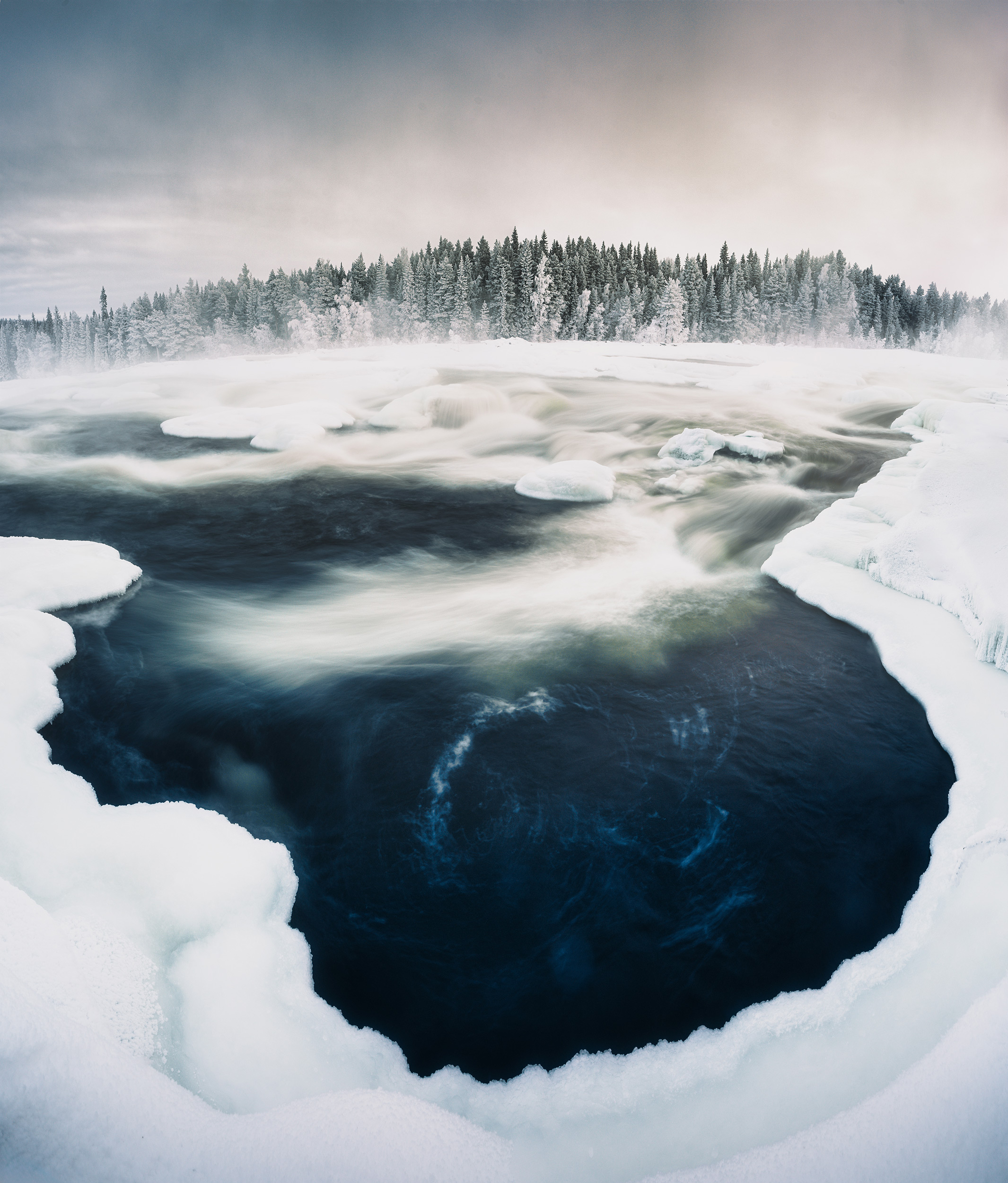 © Michael Schaake | Sony α7R V + FE 16-35mm f/2.8 GM II | 2.5s @ f/13, ISO 100
In these northern environments, so dominated by water, extending his shutter speed is a chance for Michael to convey the personality of a location, he says. “With water, your exposure time helps the viewer understand its character. How the sea moves along the shoreline, or the power of a plugging waterfall. But it’s not simply about using the longest possible exposure. The exact speed you use is vital in how you portray the scene.”
In his image of a sea-cliff waterfall in the Faroe Islands, you can see the energy of the Atlantic Ocean. “That speed, in that situation, gives movement to the water, but retains its stormy texture,” he explains. “If it’s 20 secs, the water turns into a mist, which is not true to the scene. At 1/500sec it’s frozen and tells you nothing. But here, at 1/4sec we can see the violence of the waves in a way that’s more powerful.”
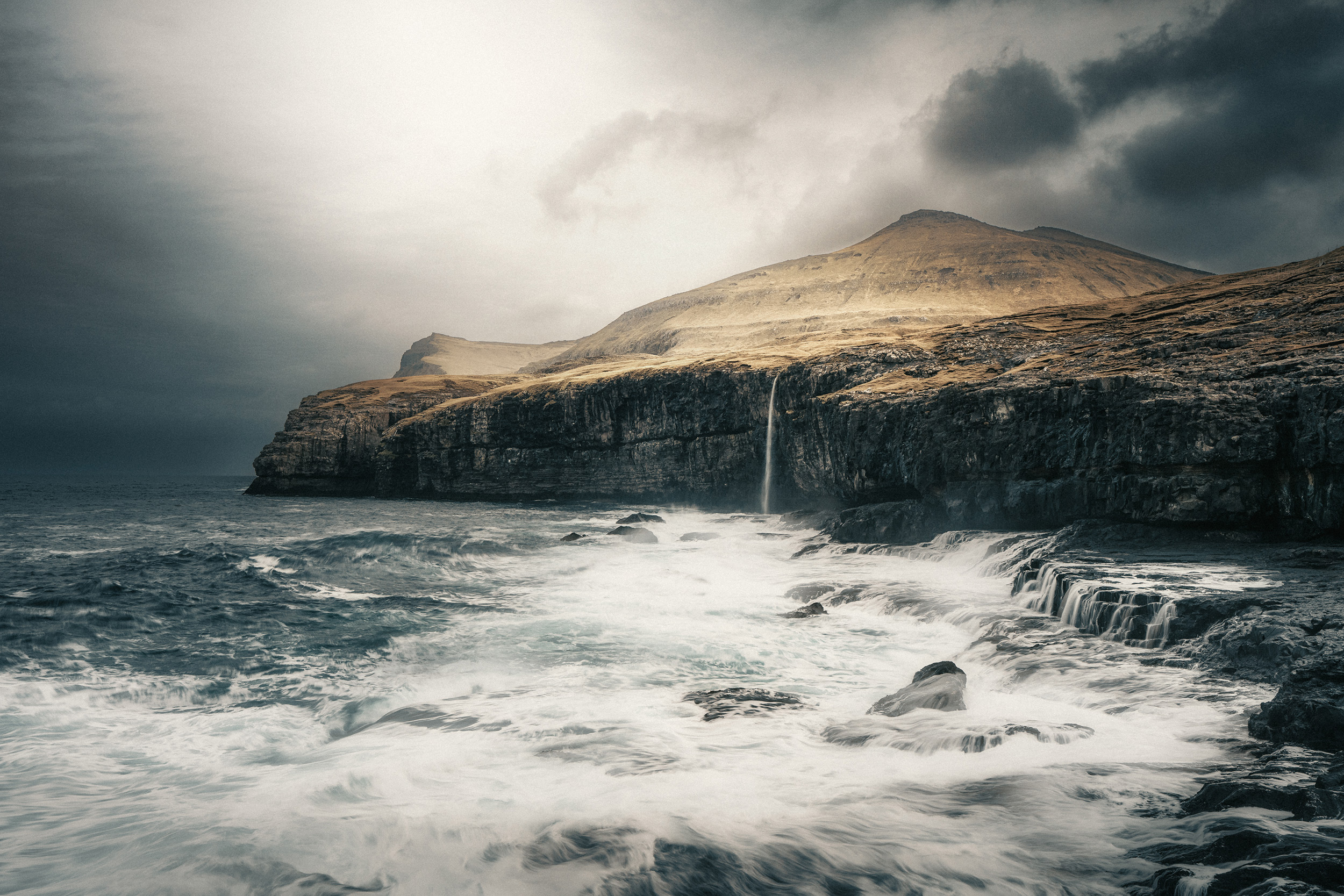 © Michael Schaake | Sony α7R V + FE 16-35mm f/2.8 GM II | 1/4s @ f/11, ISO 500
In another Faroe Island image, Michael wanted to communicate something different, unusual stillness. “It’s often very stormy and windy there, but this was a calm day, so I used an exposure of almost seven minutes, making the mountains seem to float above the water. The view matches what I was feeling – serenity.”
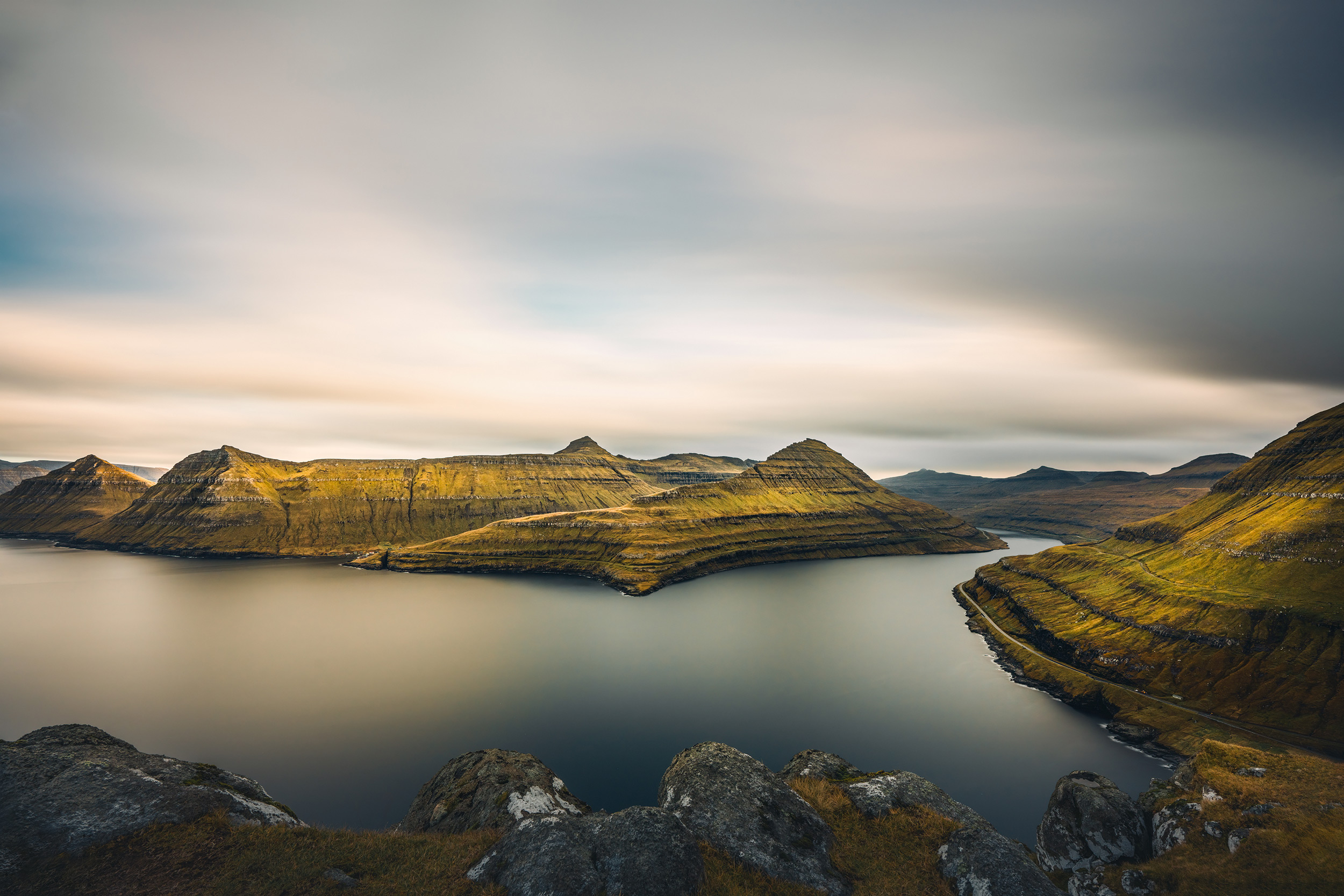 © Michael Schaake | Sony α7R V + FE 16-35mm f/2.8 GM II | 400s @ f/11, ISO 100
“Long exposures also help reveal colours in the landscape,” he says. “The shot from Blåvatnet, or ‘Blue Lake,’ in Norway is a good example of that. It has this stunning, turquoise glacial water from the Lyngen Alps, so blue you think it can’t be real. The long exposure removes the texture and reflections, so you can see that colour at its most intense.”
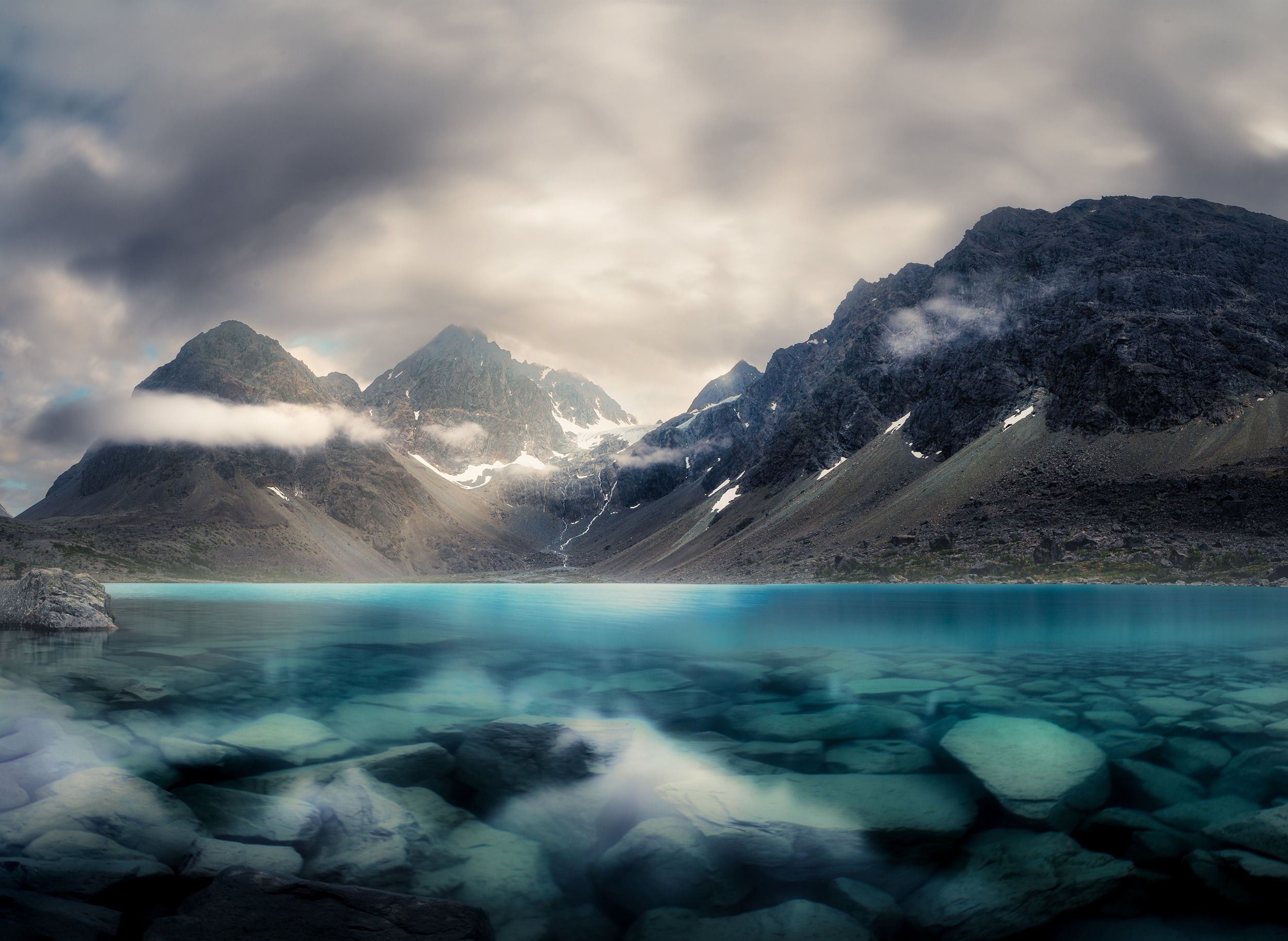 © Michael Schaake | Sony α7R V + FE 16-35mm f/2.8 GM II | 15s @ f/18, ISO 100
In terms of shooting technique, “one of the main issues when using slow shutter speeds is stability,” Michael explains. “Even when working at speeds like 1/4sec you can find that wind moves the camera and makes images unsharp, so one of my solutions is to make sure I have a ‘safety shot’ at something like 1/250sec, letting me blend some sharpness back into the long exposure.”
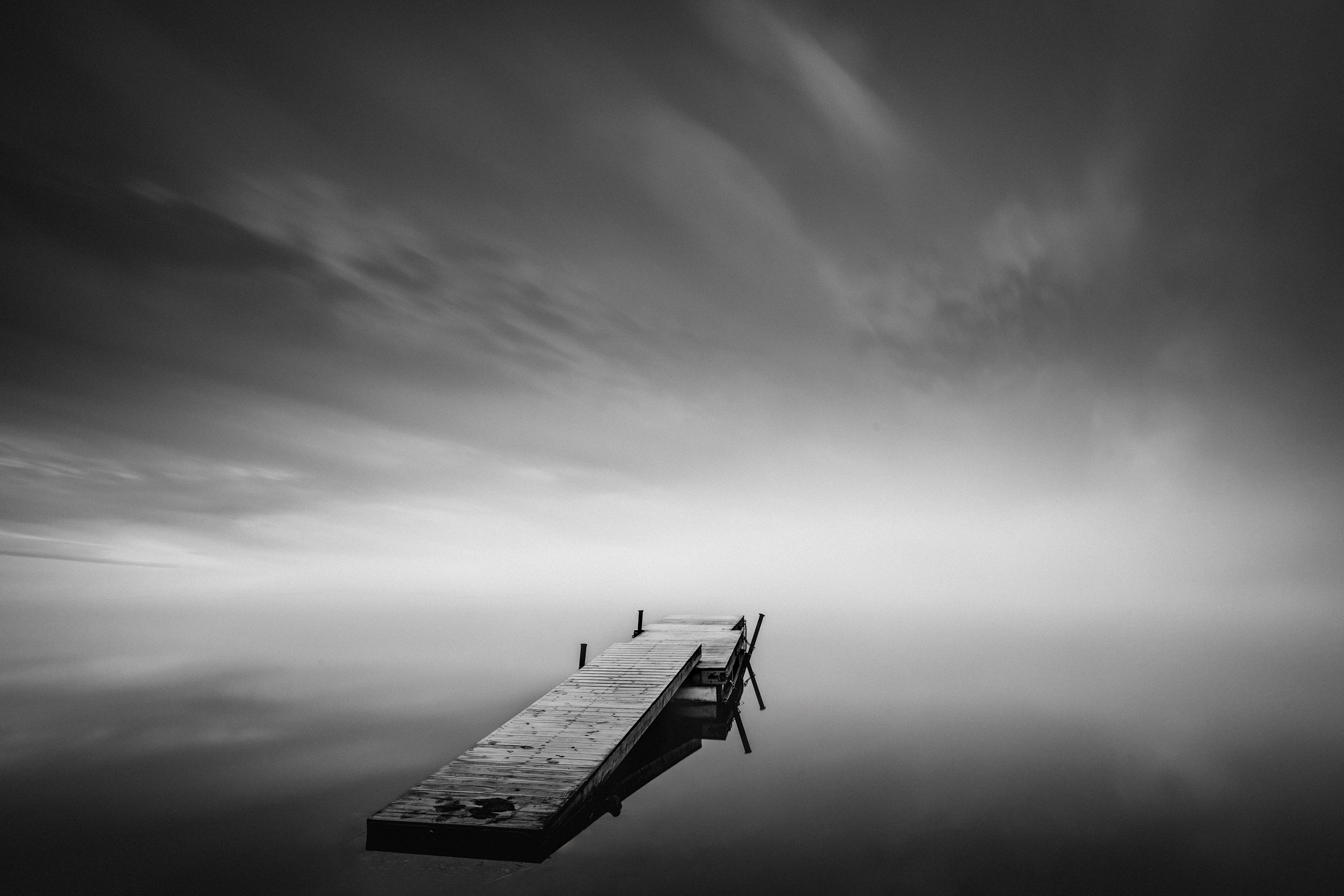 © Michael Schaake | Sony α7R V + FE 16-35mm f/2.8 GM II | 25s @ f/18, ISO 50
“It’s also worth remembering that the shutter speed you need depends on the speed of the water and your distance from it. A ¼ sec exposure can look very different between two scenes. One way to deal with this is trial and error. Check the results and slow the speed if you want more movement or increase it if you want more texture. Sometimes, I can make five or six attempts before I find what makes me happy.”
Using a Sony Alpha 7R V for all of the photos here, Michael says it’s a camera that has several features that make shooting long exposures easier. “As well as the incredible resolution which all landscapers love, the Alpha 7R V’s dynamic range is really important,” he explains. “The reality of very long exposures like 30secs is that the light can change, or small parts of the scene can burn out and lose detail. But the headroom in the Alpha 7R V’s Raw files makes it easy to bring them back in editing.”
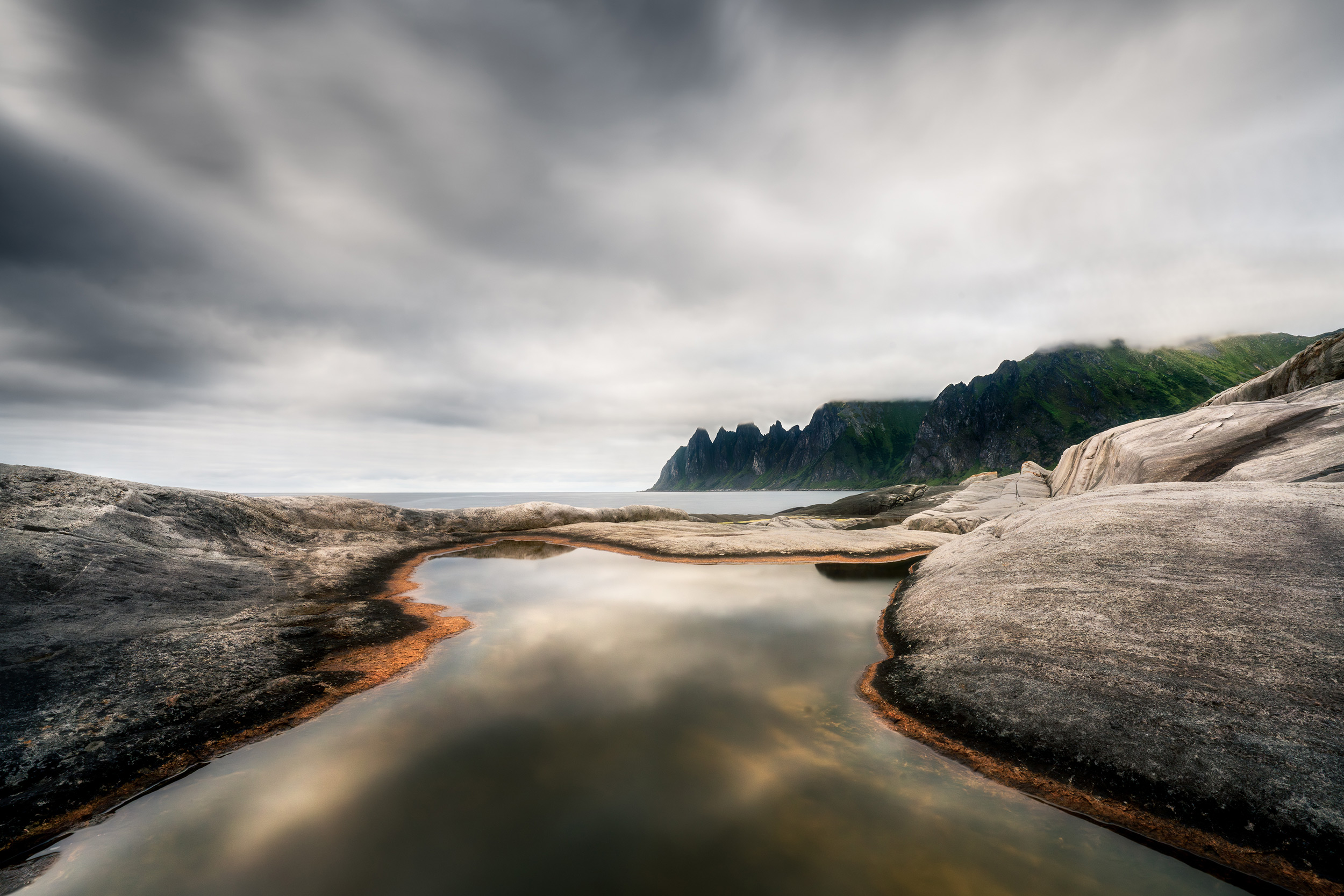 © Michael Schaake | Sony α7R V + FE 16-35mm f/2.8 GM II | 10s @ f/18, ISO 400
“The camera also has a brilliant highlight-weighted metering mode,” he says. “This works to stop highlights blowing out, so it’s a wonderful tool for landscapes, and all kinds of photography where contrast can be a problem. And for me the Alpha 7R V’s tilting screen is also a huge help. It makes my low-level compositions so much easier.”
Michael also loves his FE 16-35mm f/2.8 GM II lens for these kinds of landscape shots. “The focal range is very adaptable,” he says, “it’s incredibly sharp, but also amazingly light. I hike a lot, so a fast lens of only 547g helps me build a lightweight kit with a lot of options. Also, despite being very wide, it accepts regular filters, so I can easily attach whatever I need.”
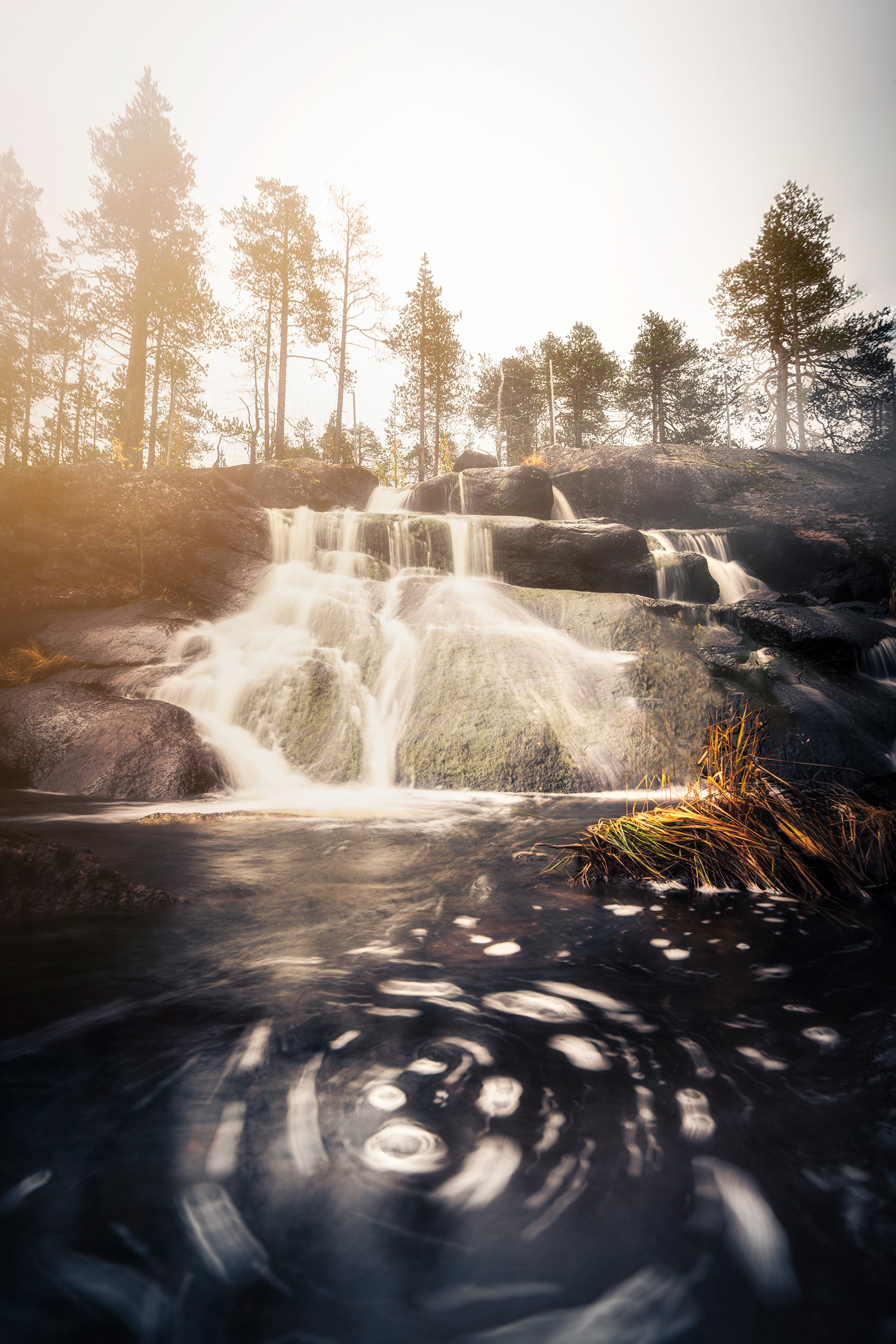 © Michael Schaake | Sony α7CR + FE 16-35mm f/2.8 GM II | 0.8s @ f/10, ISO 50
“I’ll never tire of making long exposures,” Michael finishes. “It’s a technique that’s endlessly joyful and expressive. Every long exposure reveals something different. We all know what a waterfall or a stretch of open sea looks like, but, like a good painter, an astute photographer can communicate that experience, all its power and emotion, with a simple choice of shutter speed.”
Featured products


Michael Schaake | Germany
"Being in the moment and seeing the dramatic beauty of nature can be an awe-inspiring and very personal experience. By sharing my images, I hope to take others on this journey with me"


