
Lens Profile | FE 200-600mm f/5.6-6.3 G OSS
Chris Schmid
Snapping wildlife can lead photographers to diverse locations. The habitats of the animals are all part of the story, and when you aren't sure what you may encounter, you need to be ready. That is why wildlife photographers such as Chris Schmid rely on lenses like the Sony FE 200-600mm f/5.6-6.3 G OSS.
 © Chris Schmid | Sony α7R V + FE 200-600mm f/5.6-6.3 G OSS | 1/1600s @ f/6.3, ISO 500
“The 200-600mm lens gives me so much versatility”, reveals Chris. “When I am photographing a species like the jaguar, I require that long focal length to maintain a safe distance from the subject, but it is essential that I still feel close enough to make the image personal. At 600mm I can also get sharp focus in the eyes, and this is so important as the eyes are where the emotion is, and I want to share that with the viewer. However, 200mm lets me capture the landscape, and that is what I love to do in my photography, capture landscape images with a touch of the wildlife in them”.
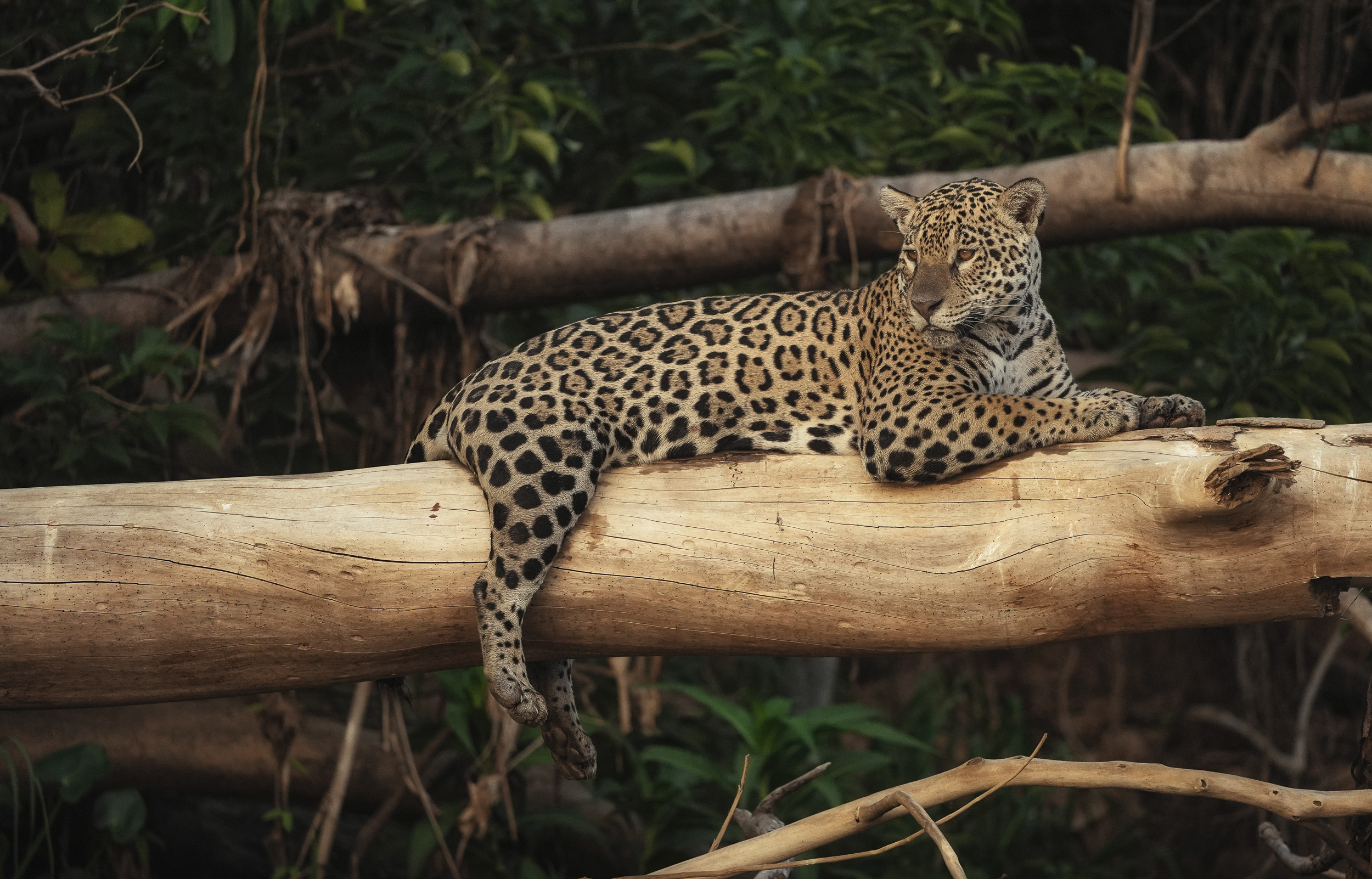 © Chris Schmid | Sony α9 III + FE 200-600mm f/5.6-6.3 G OSS | 1/1000s @ f/6.3, ISO 2000
Travelling in this way requires certain kit. It isn't just about getting in a vehicle and travelling to a location. Many places can only be reached by foot, which is why shooting with the 200-600mm lens is a particularly practical choice.
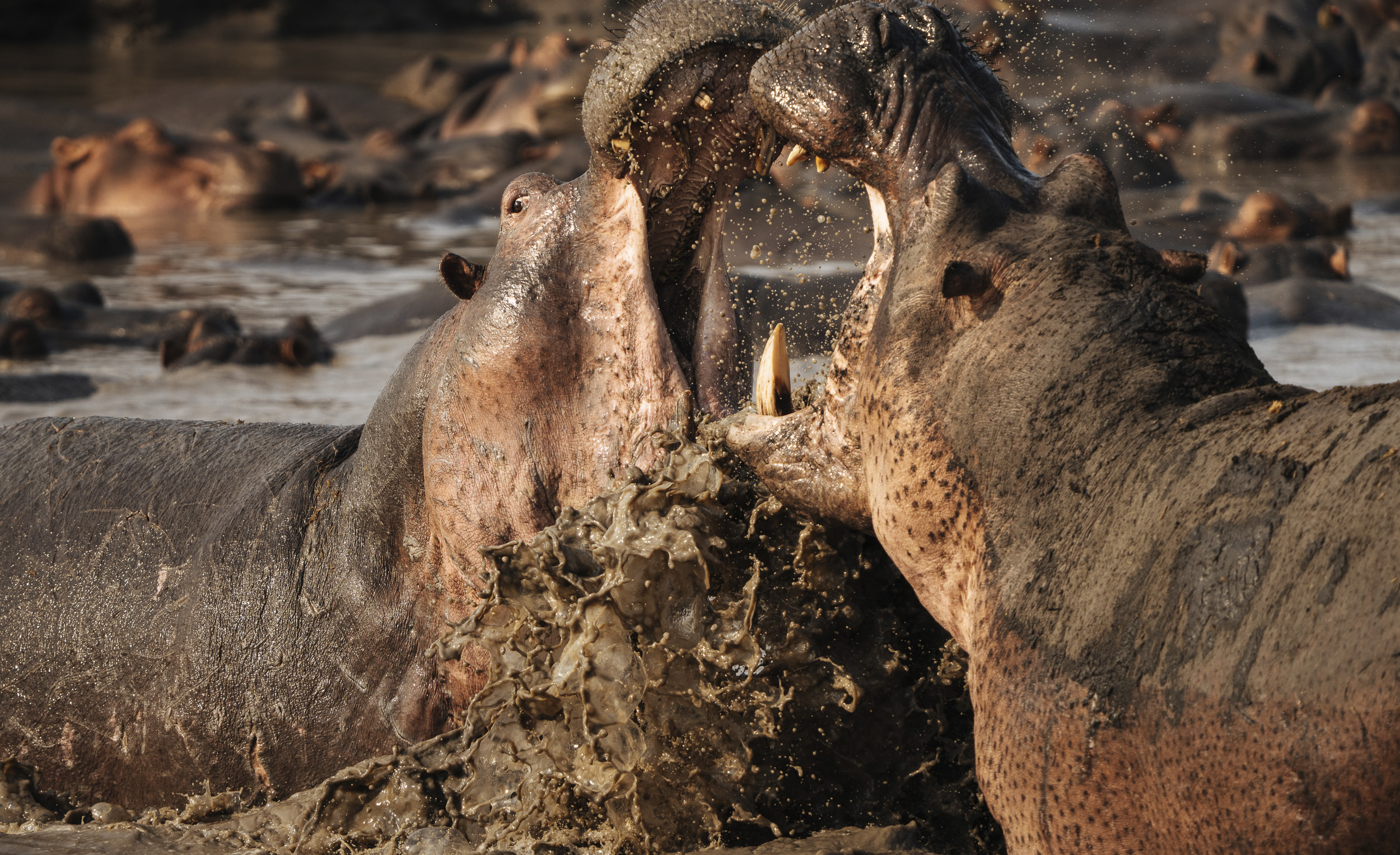 © Chris Schmid | Sony α7R IV + FE 200-600mm f/5.6-6.3 G OSS | 1/1000s @ f/6.3, ISO 320
“If I am walking a lot then I need my bag to be as light as possible. I want to arrive at my location in good condition and ready to shoot, not exhausted from carrying all my gear”.
Then there is the practicality of changing lenses, which is something that photographers don't want to do in harsh conditions.
 © Chris Schmid | Sony α7R V + FE 200-600mm f/5.6-6.3 G OSS | 1/1250s @ f/6.3, ISO 800
When photographing something like the musk oxen you are out all day in bitter conditions, so the flexibility that the 200-600mm offers is essential. I was able to shoot all day without having to change lenses, which was important given there was snow blowing everywhere. Those aren't conditions where you want to be changing lenses or having to carry additional kit.”
Of course, there are times when Chris needs to get wider shots and will use the Sony FE 70-200mm f/2.8 GM OSS II lens. This offers him the full range of focal lengths from 70-600mm by using just two lenses.
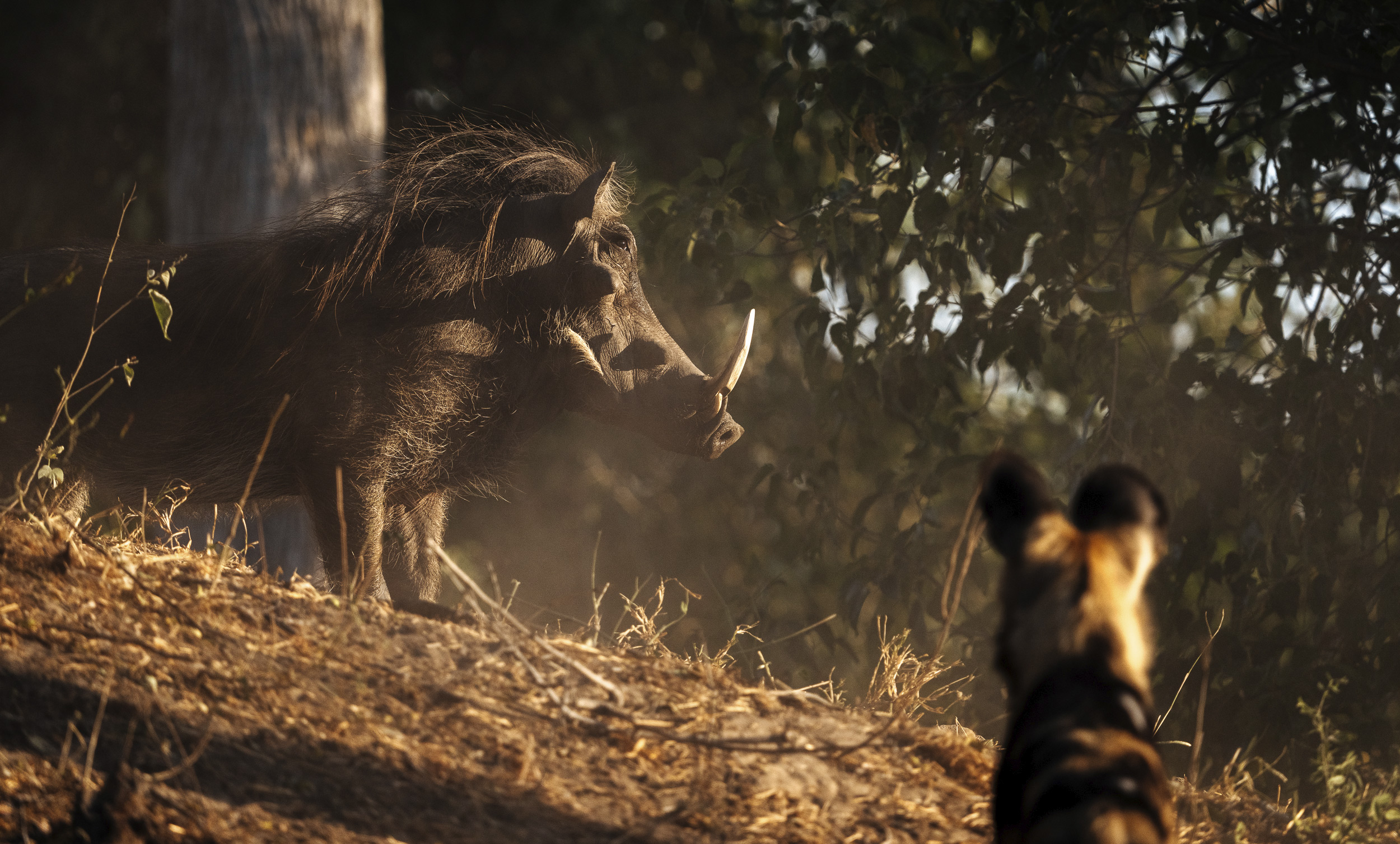 © Chris Schmid | Sony α1 + FE 200-600mm f/5.6-6.3 G OSS | 1/1000s @ f/6.3, ISO 500
Chris's 200-600mm is mounted to his Sony Alpha 1 - the pinnacle of Sony's Alpha camera range. The image quality of the high-resolution 50.1-million-pixel full-frame sensor is one of the reasons that wildlife photographers feel confident using the 200-600mm lens. “Of course, I'm not shooting at f/2.8 or f/4” says Chris, “however, I just push the ISO sensitivity higher, and I can do that with the Alpha 1 and not have to worry about a drop in image quality. What is important is that I get the shots I need to get, and the combination of the Alpha 1 and 200-600mm allows me to do that”.
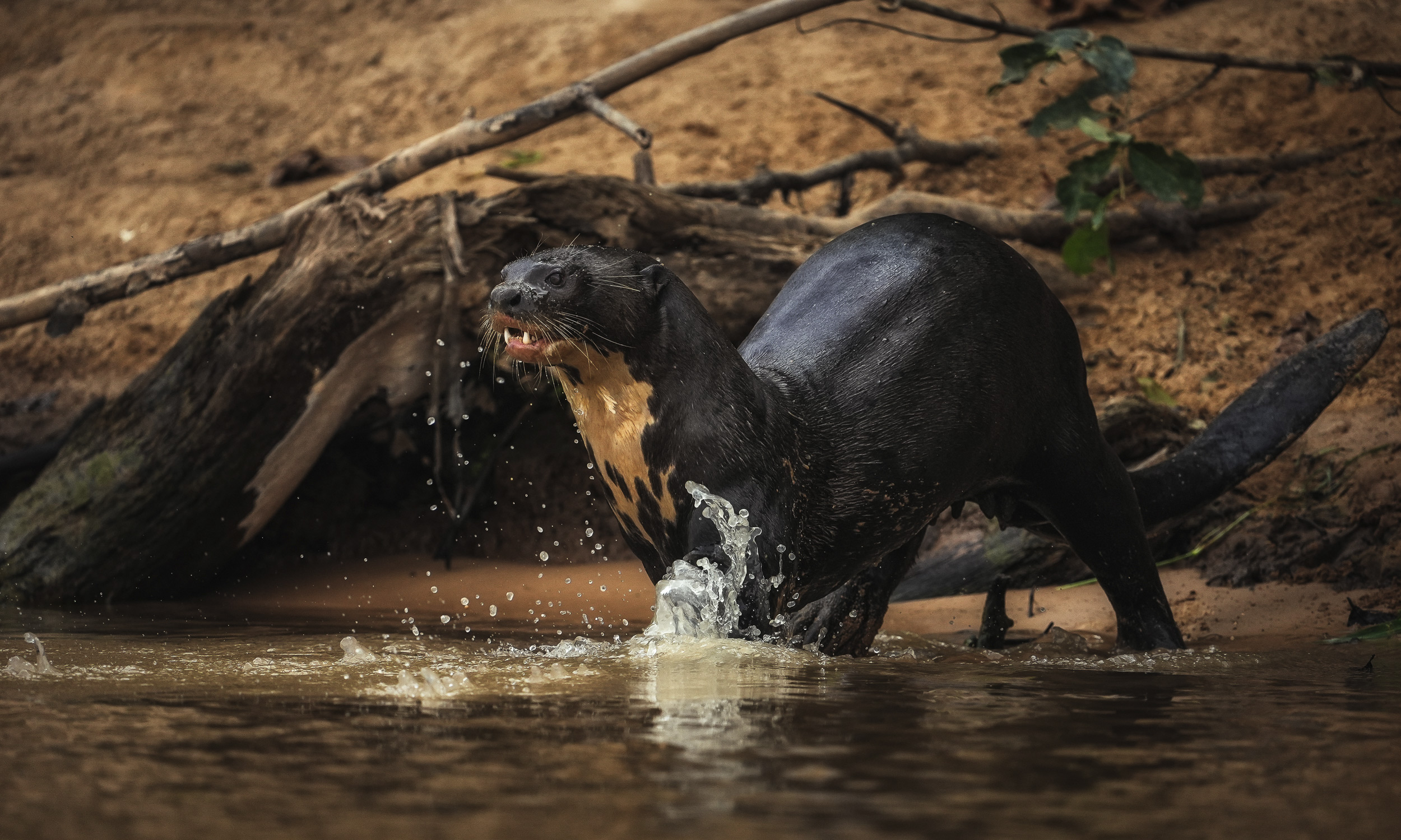 © Chris Schmid | Sony α9 III + FE 200-600mm f/5.6-6.3 G OSS | 1/1250s @ f/6.3, ISO 800
Something else that isn't compromised is the speed of the autofocus. “I don't see any difference in autofocus between using the 200-600mm lens and a G Master lens”, says Chris. “I've used it with the Sony Alpha 1 and the recent Alpha 9 III and it works excellently, even ensuring focus whilst tracking a difficult subject like birds.”
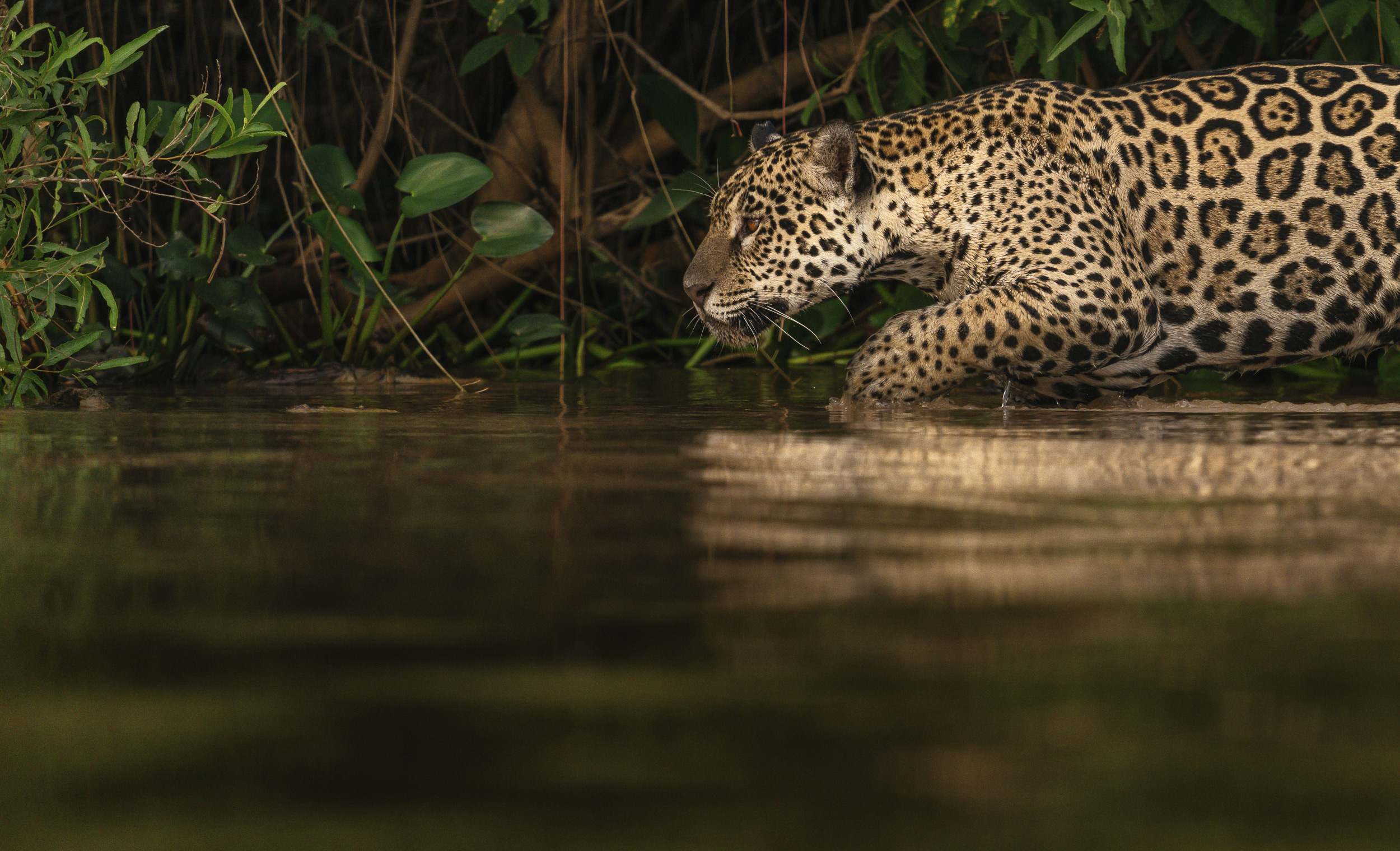 © Chris Schmid | Sony α1 + FE 200-600mm f/5.6-6.3 G OSS | 1/1600s @ f/6.3, ISO 800
An often-overlooked feature of the 200-600mm is the internal zoom. This means that whether shooting at 200mm or 600mm, the size of the lens, and also the balance, remain the same –which is great for photos, but even better for video.
“It's an amazing lens for filming”, explains Chris. “Getting a variety of shots at different focal lengths is good for photography, but when you are shooting video, it is even more important. You need wide, medium, and close-up shots when you are editing, or you will end up with a very boring film. The 200-600mm lens allows me to get all three types of shots”.
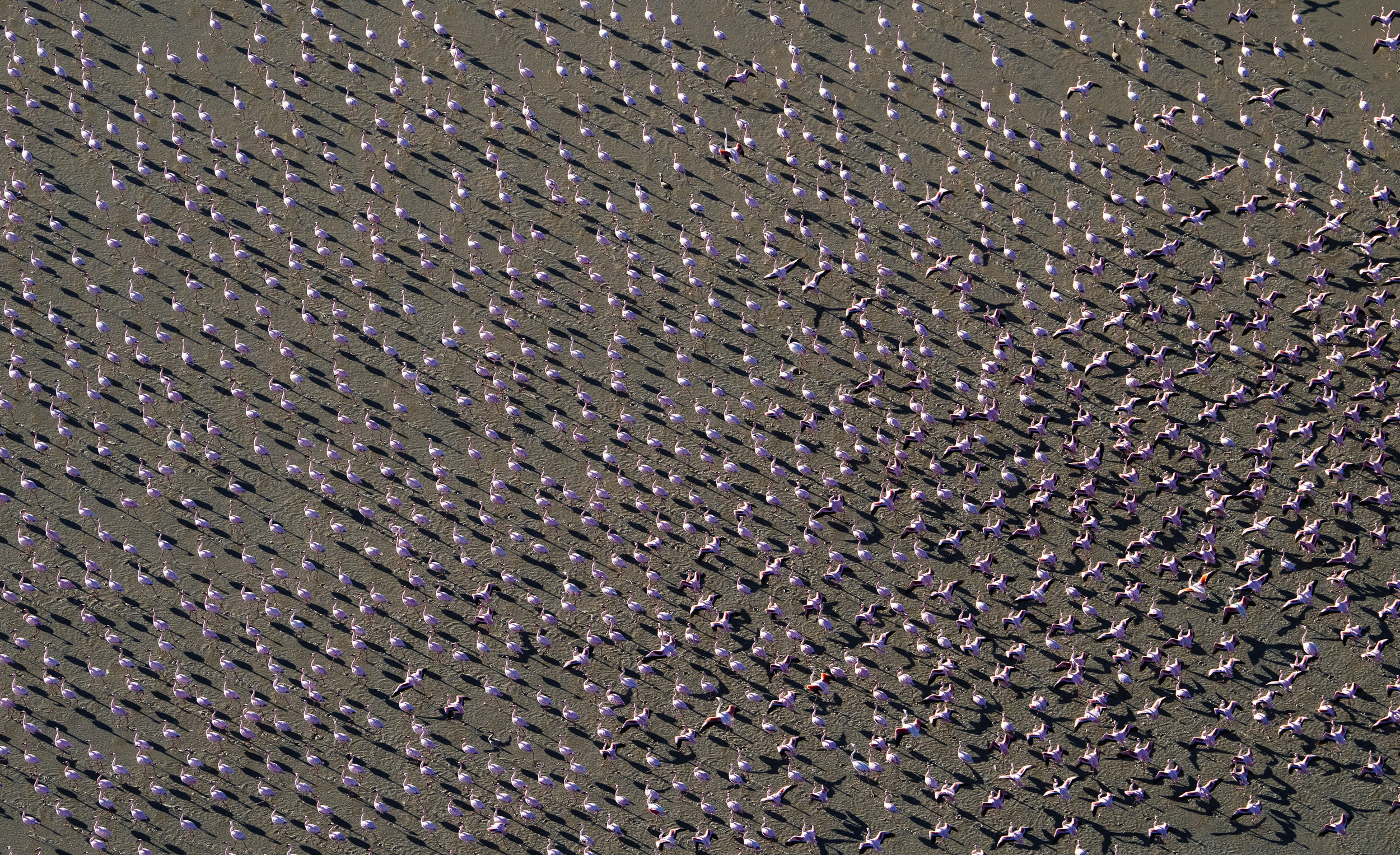 © Chris Schmid | Sony α1 + FE 200-600mm f/5.6-6.3 G OSS | 1/2000s @ f/6.3, ISO 400
Chris has even taken the lens to the skies, shooting out of airplanes and helicopters. “I love to use it because it can get these wide images of animal migrations and see patterns and repetition, such as the images of the flamingo in Botswana. But I can also zoom in and get closer to the animals if needs be”.
“When carrying out projects like this, every minute costs money. You can't ask the pilot to turn around and do it again just because you want to change your lens. That is why the versatility of the 200-600mm lens is exemplary”.
Featured products


Chris Schmid | Switzerland
"Imagery is powerful. A single shot can capture an emotion or trigger a feeling within"


