
Never Give Up
Malcolm Modele
For Director of Photography and Steadicam Operator Malcolm Modele, being selected to create a launch film for a new cinema camera was far more than a product demonstration.
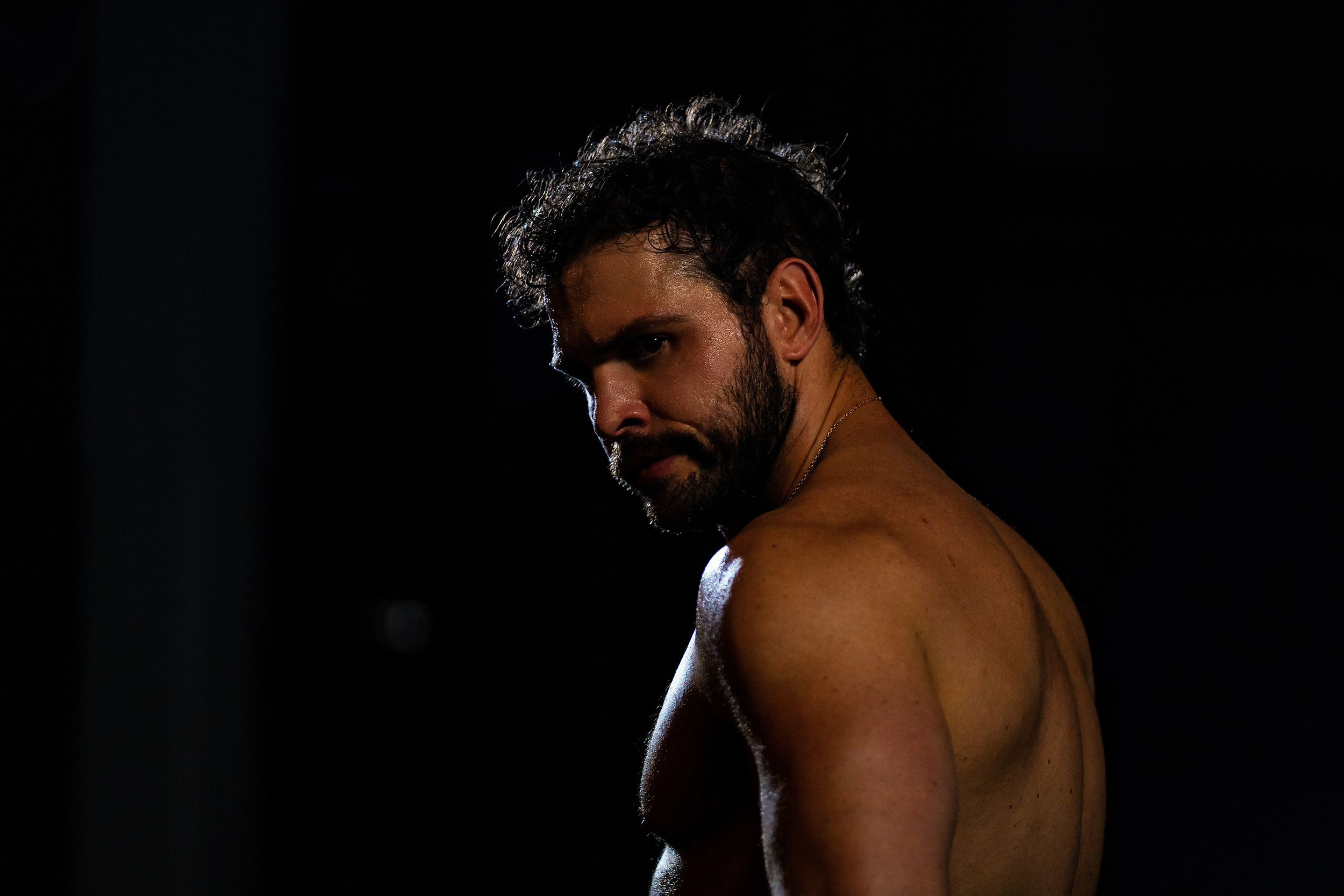
The film follows an MMA fighter who trains relentlessly, suffers defeat, and chooses to get back up and push harder. While set in the world of combat sports, its message reaches much further.
“It’s really about dedication,” says Modele. “Whether you’re a fighter, filmmaker, actor or entrepreneur, you’re going to get knocked down at some point. The question is whether you stay down or keep moving forward.”
Alongside telling that story, Modele wanted to create something that would honestly test the camera.
When you’re given access to a tool like this, it’s an opportunity that shouldn’t be wasted. A huge amount of time, effort and engineering goes into creating a camera at this level, so I felt I needed to push both the camera and myself as far as possible.”
Before production began, he put the camera through its paces by shooting an entire short horror film using only natural light and the same lenses.
“I didn’t want to simply turn up on the shoot day and point the camera at something. I wanted to understand where the limits were. I wanted to see what happened when conditions weren’t perfect.”
 © Malcolm Modele
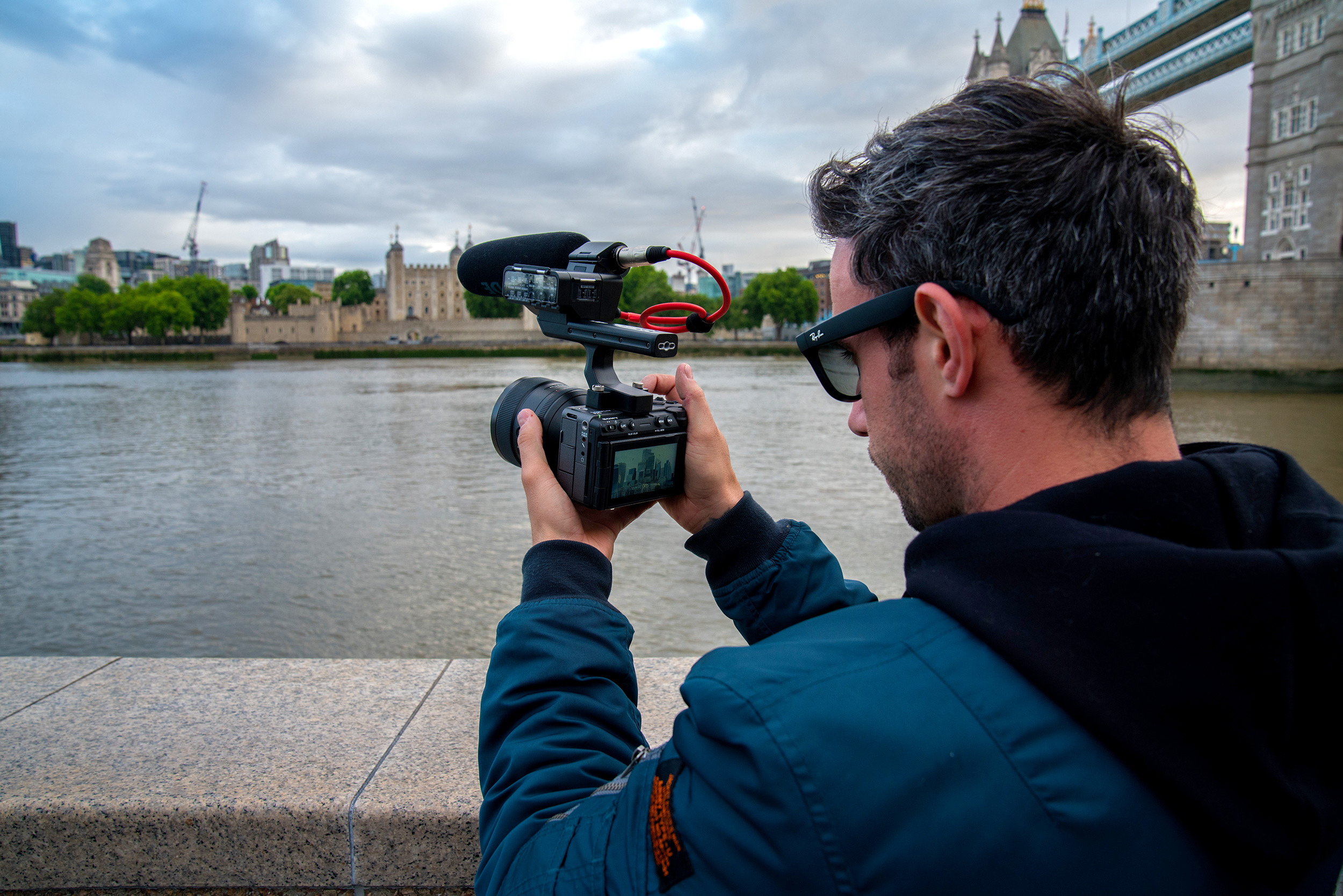
The launch film itself was shot over two days, each with a very different approach. The first day was stripped back and instinctive, with Modele filming alone with the actor across London at sunrise using a compact camera setup and G Master lenses.
“Day one was all about freedom,” he explains. “No crew, no lighting team, no support. Just me, the actor and whatever the city gave us.”
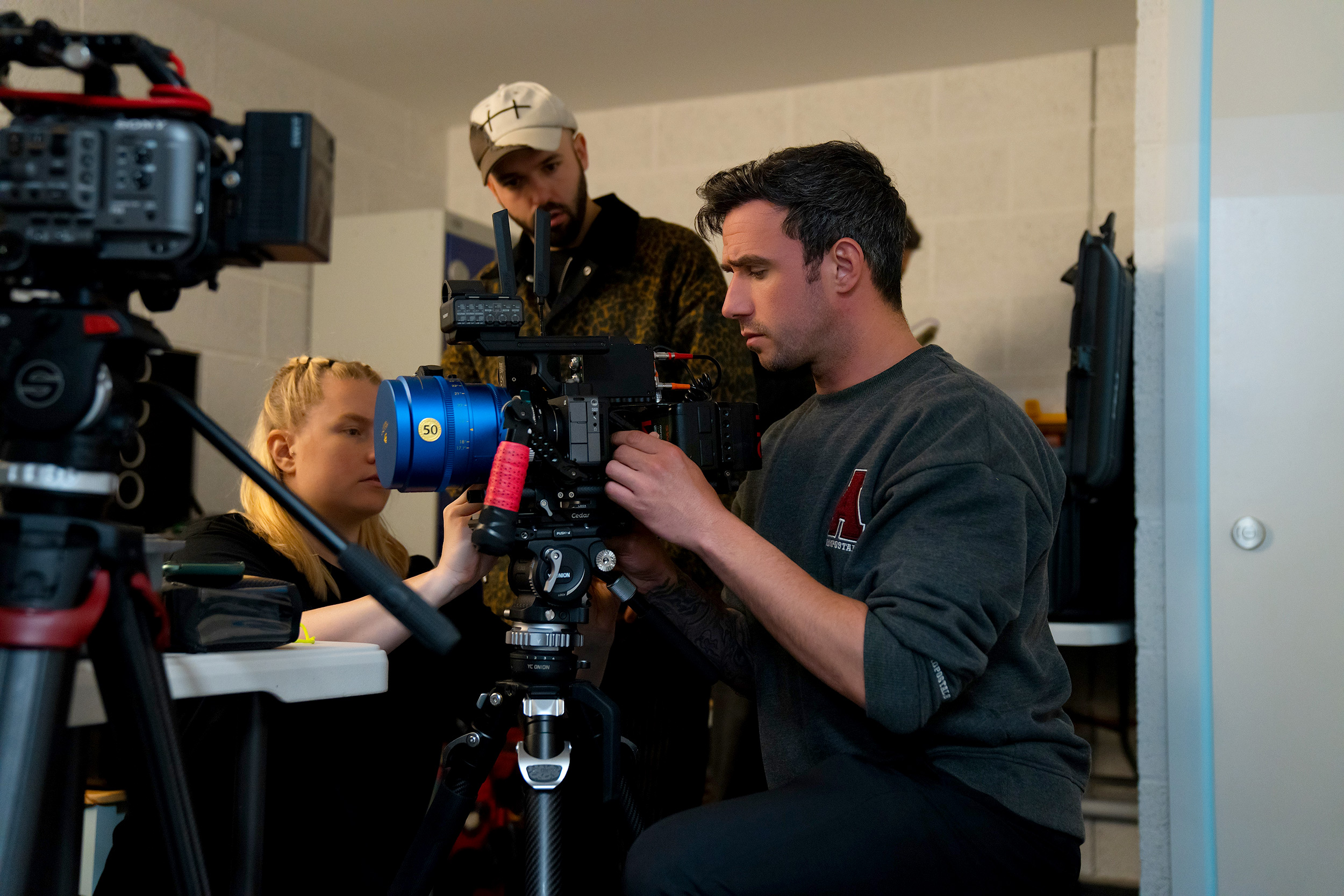
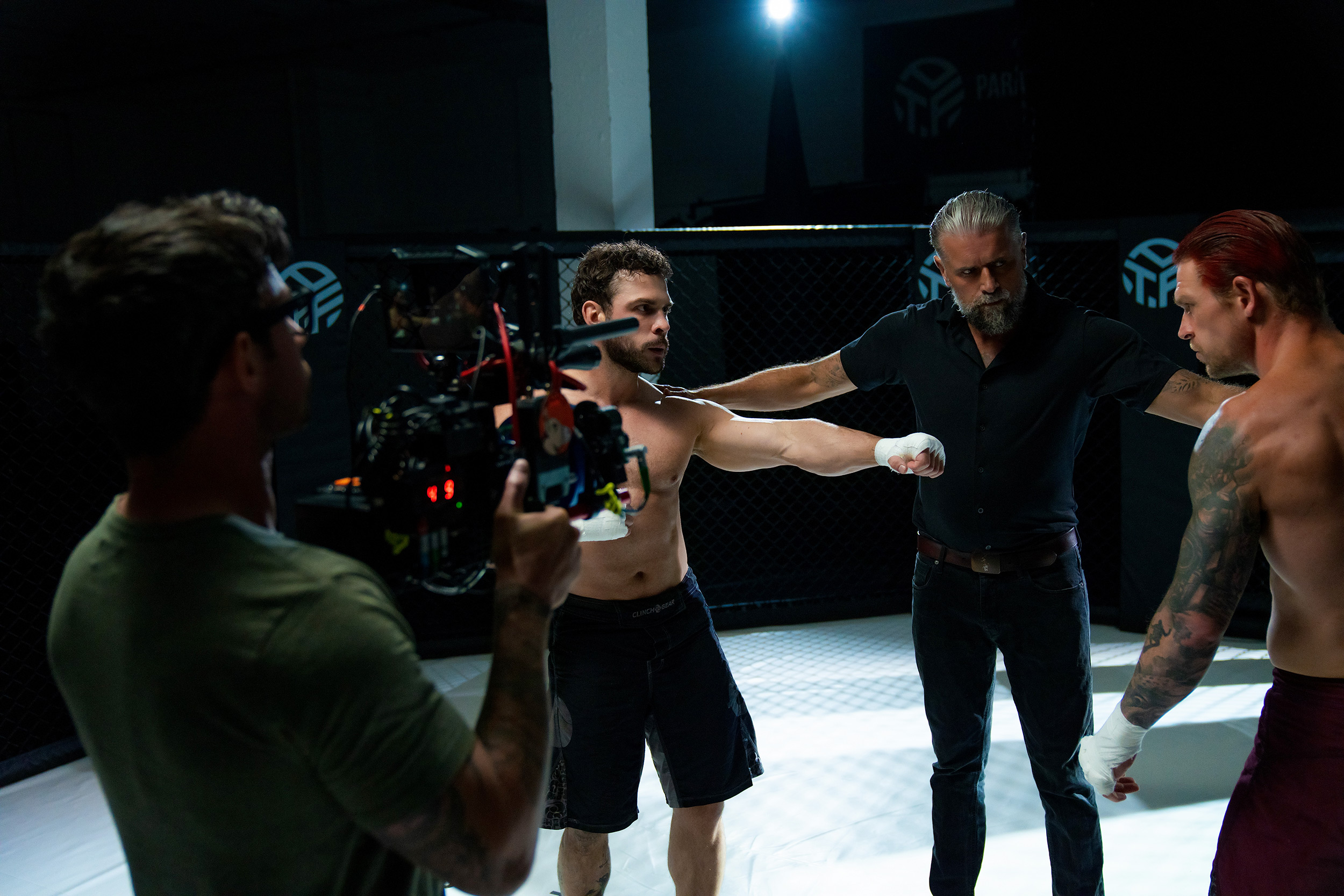
The second day moved into a controlled MMA gym environment, with a fourteen-person crew, anamorphic lenses, G Master lenses and designed lighting.
“The contrast was deliberate. Day one was raw and reactive. Day two was precise and controlled. What interested me most was whether I could seamlessly blend those two worlds together without the audience ever noticing.”
From the moment he handled the camera, Modele was struck by its compact size.
“My first impression was how nimble it felt. It reminded me of the FX3 in many ways, but the larger screen and detachable viewfinder immediately stood out.”
What impressed him most, however, were the recording options inside such a small body.
The combination of a 3:2 sensor, X-OCN LT recording and up to 240fps 4K in a body this small is remarkable. Those are features I’ve traditionally associated with much larger cinema cameras.”
 © Malcolm Modele
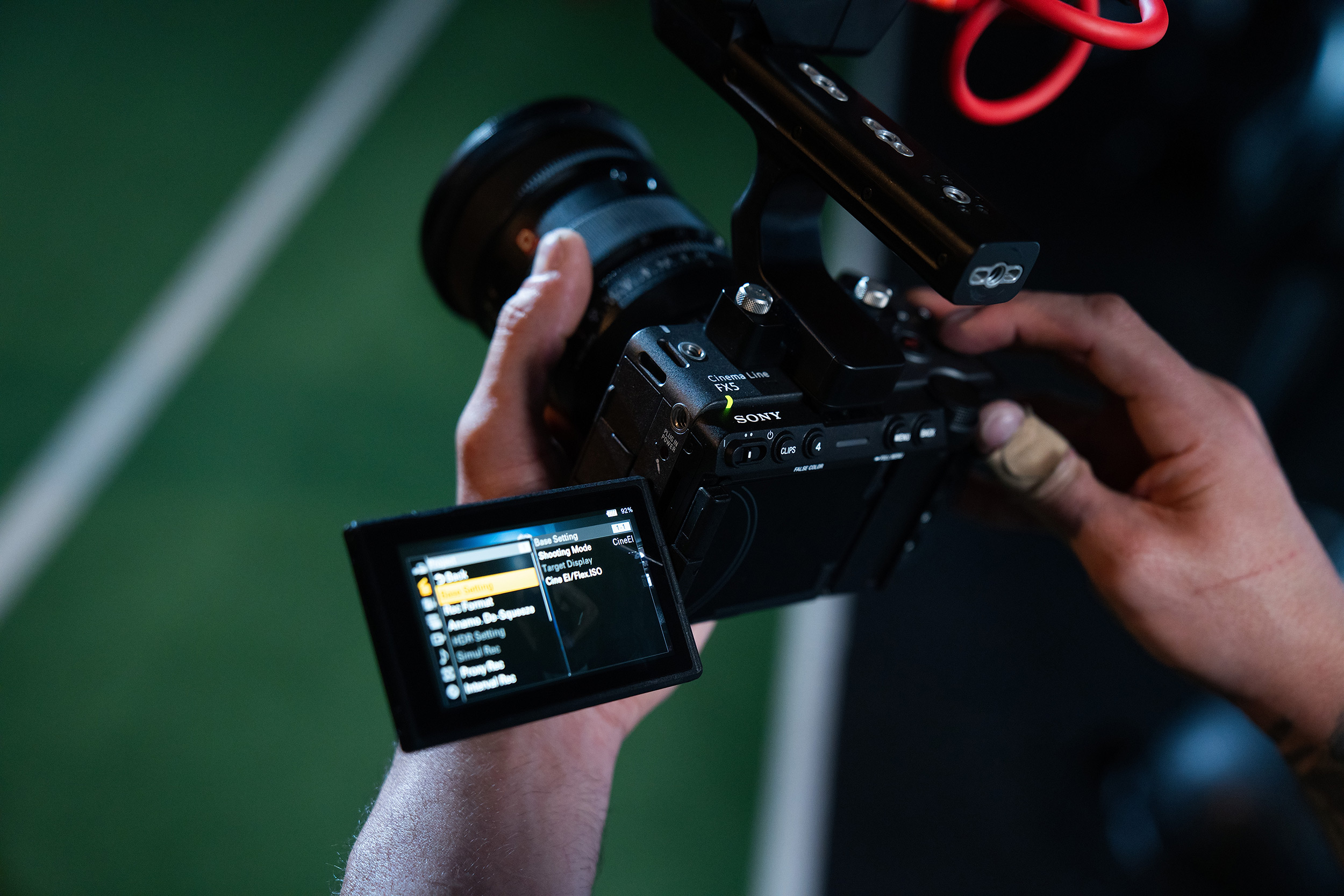
Throughout the shoot, the built-in false colour, internal de-squeeze and 4:3 sensor became key parts of his workflow, especially when working with anamorphic lenses.
“I relied heavily on the built-in false colour. Combined with my LIT DUO light meter, it allowed me to maintain consistency throughout the entire shoot.”
The production gave Modele the chance to test the camera in natural low light, controlled interiors and fast-moving handheld action.
“The low-light performance was excellent. Even during the sunrise sequences, the footage remained incredibly clean. The 15+ stops of dynamic range gave me the ability to recover highlights and lift shadows without compromising the image.”
 © Malcolm Modele
Autofocus was also essential during the solo shooting day.
“When you’re operating completely alone, you need to trust the camera. The autofocus was responsive, accurate and incredibly reliable, even in low-light situations.”
Another standout feature was the triple base ISO system.
“I’ve always enjoyed shooting at 800 ISO, but there are plenty of situations where 800 isn’t enough and 12800 is too much. Having 4000 ISO fills a gap I’ve often encountered.”
As someone who specialises in action and movement, Modele shot much of the film handheld, moving with the actor and staying close to the performance.
 © Malcolm Modele
“A lot of my filmmaking style is based around movement and connection. I don’t want to stand back and observe. I want to be inside the performance, because if I’m inside the performance, then so are the viewers.”
Before filming the fight sequences, he spent a full day rehearsing and choreographing the action. Drawing on his background as an actor, stunt performer and former military serviceman, he approached each movement from both the performers and cinematographer’s perspective.
“I understand how a movement needs to feel for the actor while keeping things safe, but at the same time I’m visualising how the camera will capture it, so it sells.”
The film was captured primarily in 5K 4:3 using anamorphic lenses, with additional sequences in 5K 17:9 and high-speed formats. Everything was recorded in X-OCN LT and S-Log3.
“My exposure process was very deliberate. Every lighting decision, colour choice and creative choice was carefully considered.”
 © Malcolm Modele
When the footage reached post-production, Modele was impressed by how much flexibility the files provided.
“I’ve worked with these codecs before on larger cinema systems, so I expected the footage to perform well. But I was still blown away by what I was seeing.”
For Modele, the camera represents a powerful new tool, but he is clear that technology alone does not create great filmmaking.
“A camera won’t make you a better shooter. It won’t suddenly make your lighting better, your storytelling stronger or your compositions more interesting.”
Instead, he believes the camera rewards preparation, craft and intent.
“The film only works because of the planning, preparation, lighting, movement, crew and performances. The camera gives you incredible capabilities, but you still need to understand how and when to use them.”
For filmmakers willing to do that work, he sees enormous potential.
I’d recommend it to solo shooters, large productions and everything in between. The versatility is exceptional. When a camera disappears and simply allows you to create, that’s when something special happens.”


